Product Description
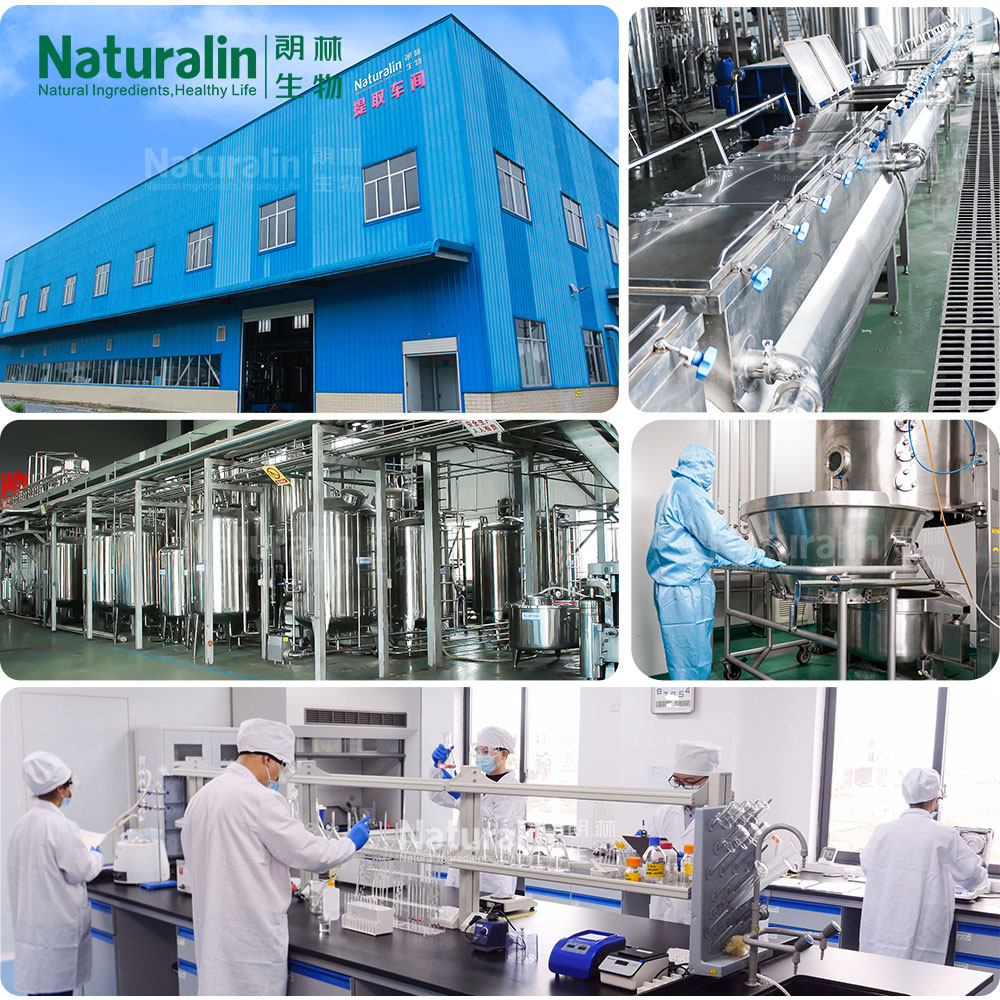
Founded in 2006, Naturalin is committed to the manufacturing, innovation, and sales of natural ingredients. Naturalin ingredients are widely used in various fields such as nutrition, food & beverage, personal care, animal nutrition ,etc. Website: www.naturalin.com E-mail: sales@naturalin.com
AI Product Description
*The following content is generated by AI and is for reference only.
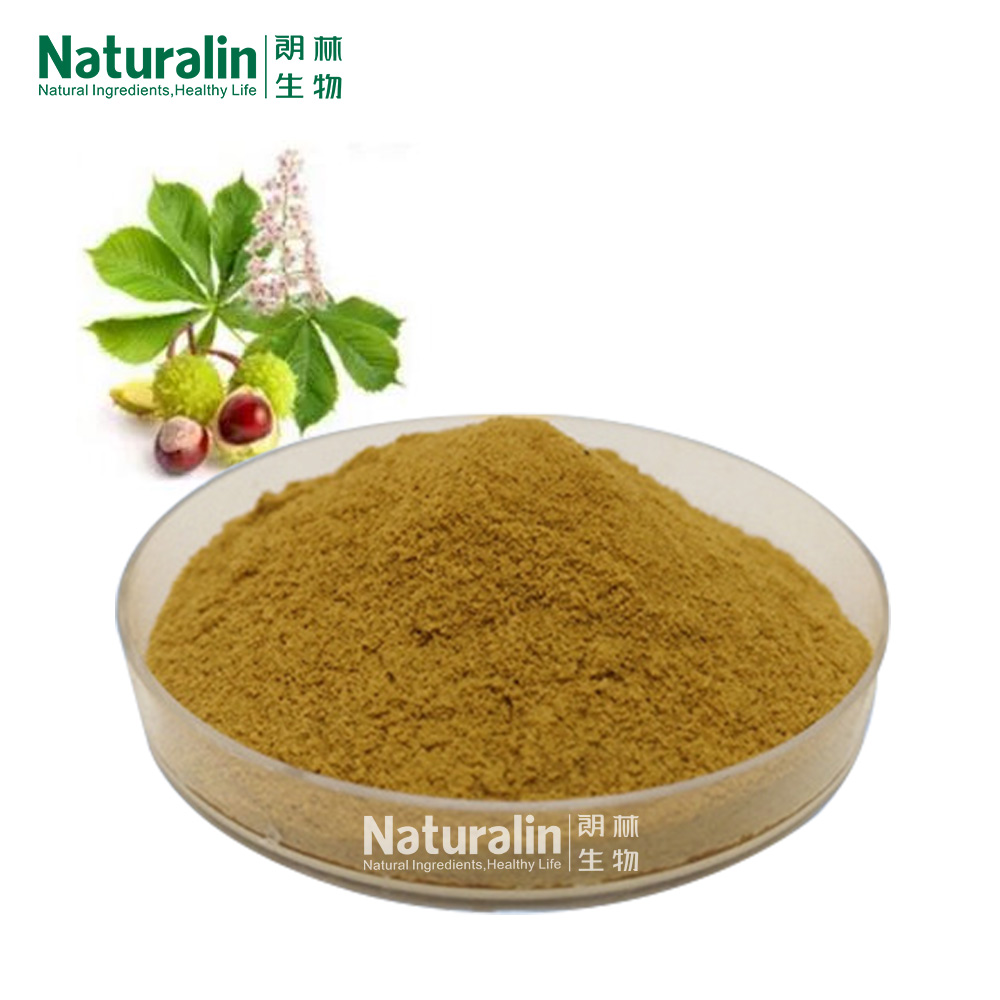
Horse Chestnut Seed Extract, derived from the seeds of *Aesculus hippocastanum*, is a potent botanical supplement widely recognized for its high concentration of aescin (also known as escin), a complex mixture of triterpene saponins. Unlike many synthetic compounds, this extract possesses a unique molecular profile where aescin serves as the primary active constituent responsible for its therapeutic effects. While a specific single molecular formula does not apply to the entire extract due to its nature as a mixture of various glycosides, the core aglycone components generally share structures based on oleanane-type triterpenes. The extract does not have a single CAS number; rather, it is often associated with specific fractions or standardized markers, such as CAS 8063-24-1 for aescin itself, though commercial products are defined by their percentage of total saponins.
The primary applications of Horse Chestnut Seed Extract focus heavily on venous health and circulatory support. It is clinically renowned for treating chronic venous insufficiency (CVI), a condition characterized by poor blood flow in the legs, leading to symptoms like swelling, pain, heaviness, and varicose veins. The mechanism of action involves strengthening vein walls, reducing capillary permeability, and decreasing inflammation, which collectively helps alleviate edema and improve microcirculation. Beyond venous disorders, research suggests potential benefits for hemorrhoids, arthritis, and wound healing due to its anti-inflammatory and antioxidant properties. In the cosmetic industry, it is increasingly utilized in skincare formulations to reduce puffiness, particularly under the eyes, and to improve skin tone by enhancing vascular tone.
Safety profiles indicate that raw horse chestnut seeds are toxic due to other compounds like esculin, but commercially available extracts undergo rigorous processing to remove these toxins, leaving only the beneficial saponins. Standardized extracts typically contain 16% to 20% aescin to ensure consistent efficacy. Users should consult healthcare professionals before use, especially those taking anticoagulants or suffering from kidney or liver issues. Overall, Horse Chestnut Seed Extract remains a cornerstone in herbal medicine for maintaining vascular integrity and promoting overall leg health through natural, plant-based intervention.




 (All Rights Reserved)