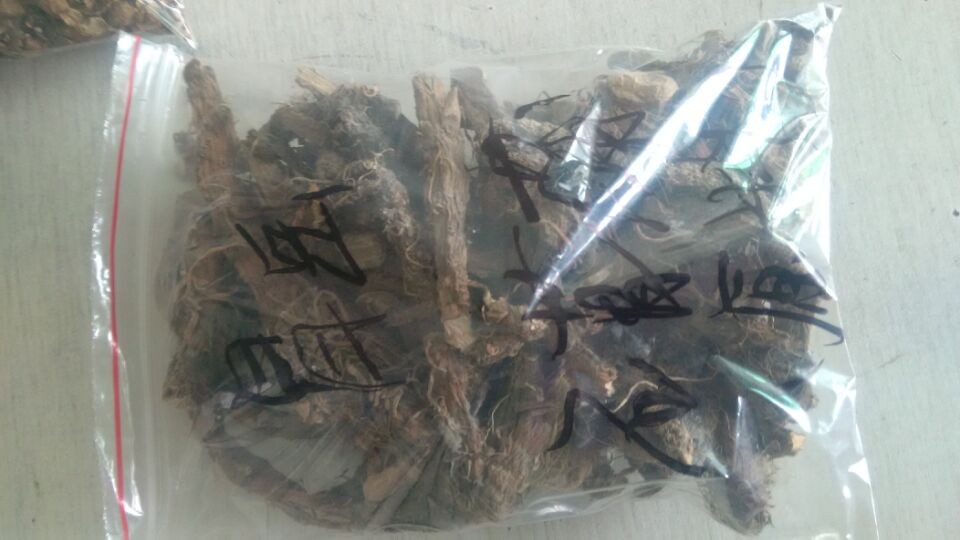
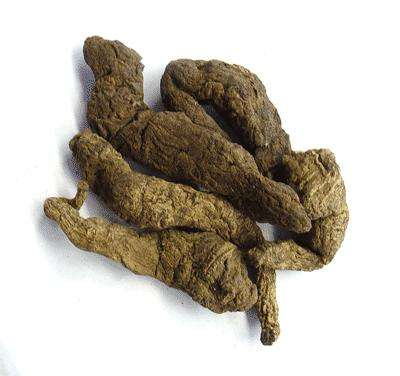
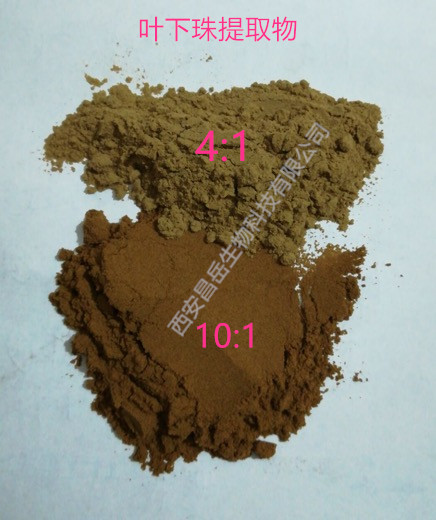
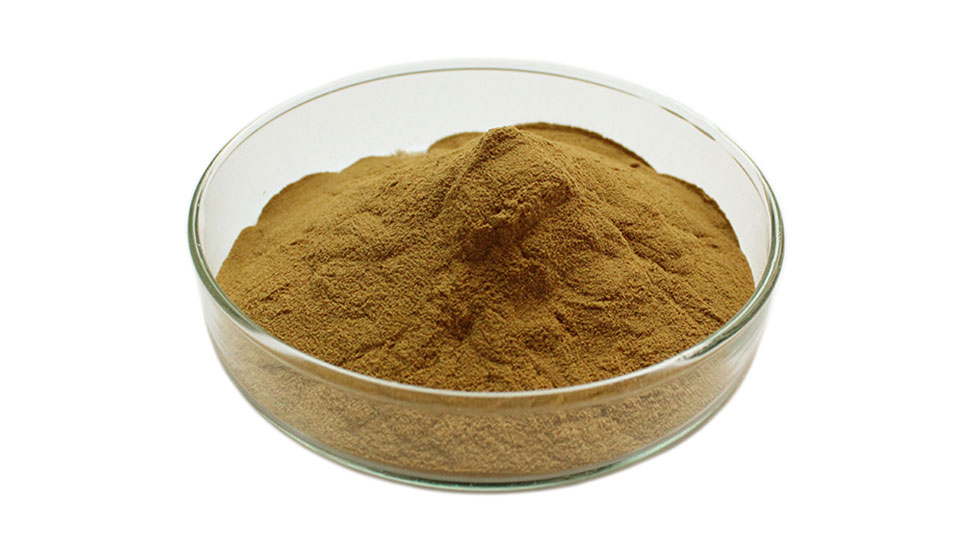
Product Description
Hordenine (to dimethyl aminoethyl phenol), its action is similar to the ephedrine and ephedrine, can relax bronchial smooth muscle contraction, blood vessels, blood pressure, blood pressure and pleasure centers.
AI Product Description
*The following content is generated by AI and is for reference only.
Hordenine, chemically known as N,N-dimethyltyramine, is a naturally occurring alkaloid found in various plants, most notably in barley sprouts and citrus fruits. Its molecular formula is C10H15NO, and it carries the CAS registry number 59-62-7. Structurally, hordenine resembles epinephrine and dopamine, acting as a sympathomimetic agent that influences the central nervous system by inhibiting the reuptake of norepinephrine and dopamine. This unique mechanism allows it to stimulate metabolic processes and enhance alertness without the severe side effects often associated with stronger stimulants like amphetamines.
In the commercial and scientific sectors, hordenine serves diverse purposes. Primarily, it is utilized as a dietary supplement for weight management and athletic performance enhancement due to its ability to increase basal metabolic rate and promote lipolysis. Users often seek it out for its potential to boost energy levels and mental focus, making it a popular ingredient in pre-workout formulations and fat-burning stacks. Furthermore, research into hordenine has explored its neuroprotective properties and potential applications in treating conditions related to neurotransmitter imbalances, although clinical data remains limited compared to established pharmaceuticals.
Beyond human consumption, hordenine plays a significant role in plant physiology, where it functions as an osmoprotectant helping plants withstand environmental stresses such as drought and salinity. In the food industry, while not typically added directly as an additive, it occurs naturally in malted beverages and contributes to their flavor profile. Despite its widespread use in supplements, regulatory bodies emphasize the need for caution regarding dosage, as high intake may lead to cardiovascular issues or interactions with other medications. Manufacturers must ensure strict quality control to guarantee purity, as synthetic variants exist alongside natural extracts. Overall, hordenine represents a fascinating intersection of botany, pharmacology, and nutrition, offering promising avenues for future health interventions while requiring responsible usage guidelines to maximize benefits and minimize risks.




 (All Rights Reserved)