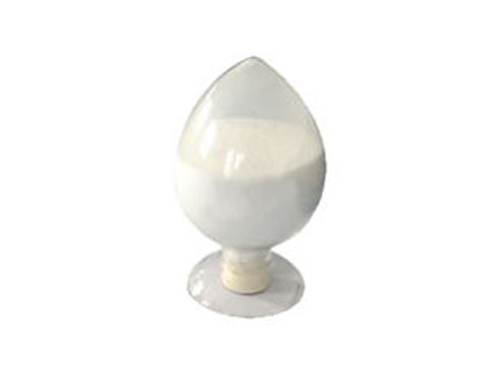
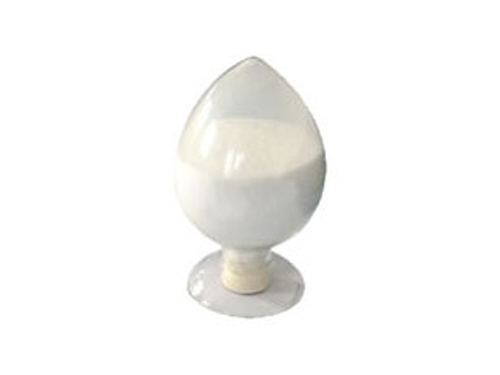
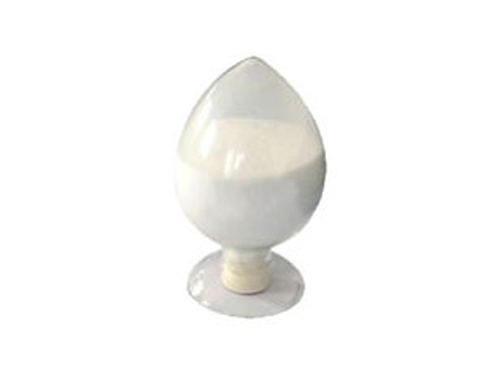
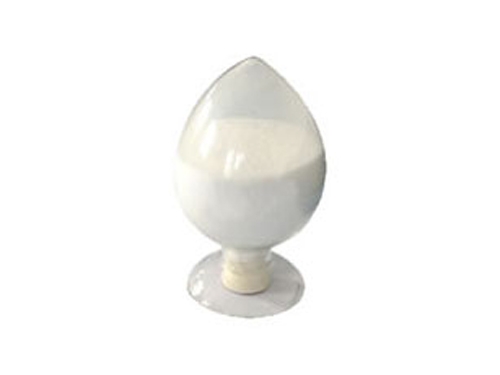
Product Description
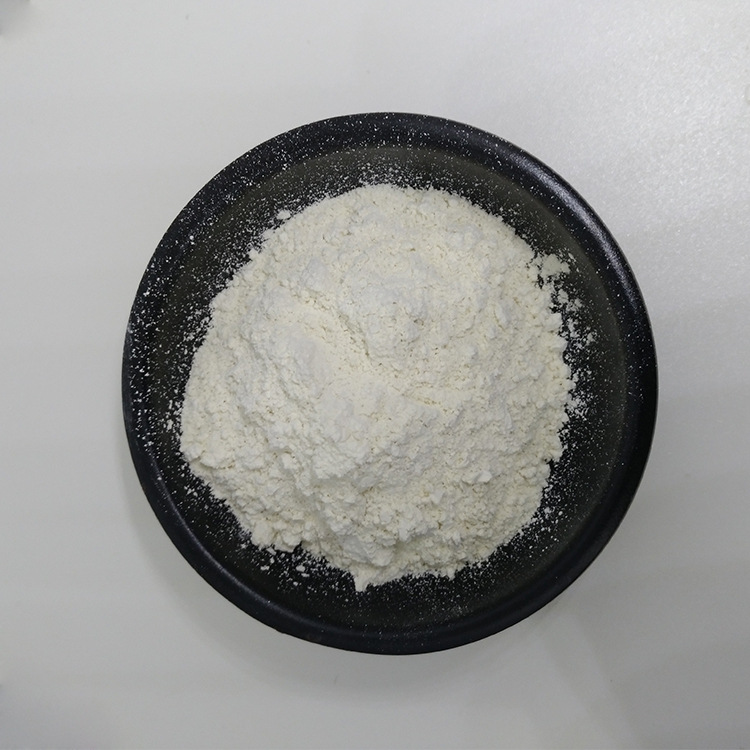
Hordenine (to dimethyl aminoethyl phenol), its action is similar to the ephedrine and ephedrine, can relax bronchial smooth muscle contraction, blood vessels, blood pressure, blood pressure and pleasure centers.
AI Product Description
*The following content is generated by AI and is for reference only.
Hordenine, chemically known as N,N-dimethyltyramine, is a naturally occurring alkaloid found primarily in barley sprouts and various citrus fruits. Its molecular formula is C10H15NO, and it is uniquely identified by the CAS number 59-48-7. Structurally, hordenine acts as a phenethylamine derivative, closely related to other biogenic amines like tyramine and dopamine, though it possesses distinct pharmacological properties due to its dimethylated amine group. This compound serves as a significant intermediate in plant metabolism, often accumulating during seed germination to support energy requirements.
In the pharmaceutical and dietary supplement industries, hordenine has garnered attention for its potential stimulant effects. It functions primarily as an adrenergic agent, capable of binding to alpha-adrenergic receptors. Historically, this interaction has led to its use in supporting metabolic rate and promoting lipolysis, making it a popular ingredient in weight management formulations. By mimicking the action of catecholamines, hordenine may enhance thermogenesis and increase alertness without the severe jitteriness associated with high-dose caffeine consumption. However, its potency is generally considered moderate compared to synthetic stimulants.
Beyond human supplementation, hordenine plays a crucial role in agricultural research. As a natural component of barley, it influences malting processes and beer flavor profiles. Researchers also investigate its utility in plant stress responses, noting that elevated levels can help crops withstand environmental challenges. Despite its widespread presence in nature, regulatory bodies maintain varying stances on its commercial availability, particularly regarding its inclusion in over-the-counter weight loss products. While some jurisdictions classify it as a dietary supplement, others have restricted its use due to limited long-term safety data and potential cardiovascular interactions. Consequently, consumers are advised to exercise caution and consult healthcare professionals before incorporating hordenine-rich supplements into their regimens. Ongoing studies continue to explore its full therapeutic potential, balancing its promising metabolic benefits against necessary safety protocols.




 (All Rights Reserved)