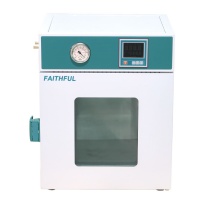
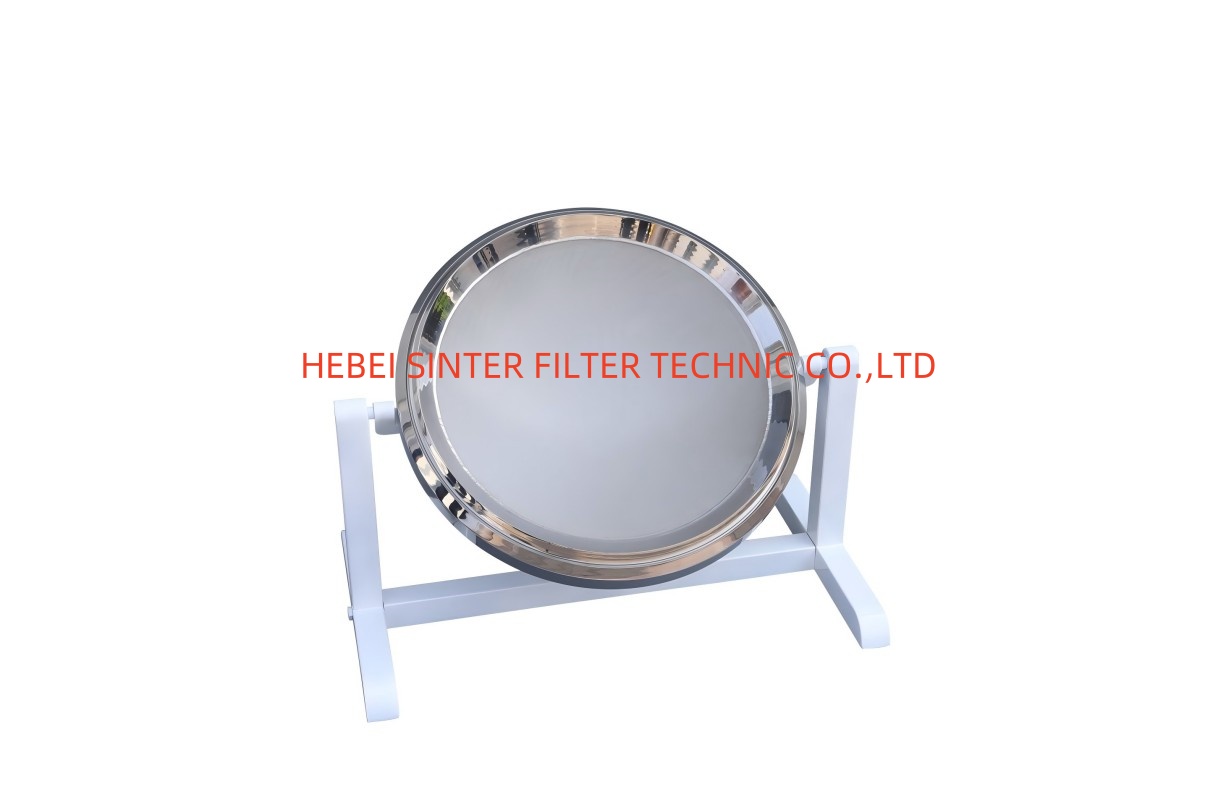
Product Description
please call me ,to know more
AI Product Description
*The following content is generated by AI and is for reference only.
The product described, commonly known as a roller scraper dryer, is an industrial heat transfer and material processing unit designed primarily for the continuous drying of pastes, slurries, and high-viscosity fluids. Its core function relies on the rotation of heated cylindrical rollers against which a flexible or rigid blade scrapes a thin film of material. This configuration maximizes surface area exposure while ensuring efficient thermal conduction from the internal heating medium, typically steam or hot oil, to the product layer. The scraping action prevents material buildup, maintains consistent film thickness, and facilitates rapid moisture evaporation, making it ideal for industries such as food processing, pharmaceuticals, chemicals, and wastewater treatment where gentle yet effective drying is required.
Key operational advantages include the ability to handle thermally sensitive materials without degradation due to short residence times and controlled temperature zones. The system operates under vacuum conditions in many configurations to lower boiling points, further protecting heat-sensitive compounds. Maintenance considerations are critical; operators must regularly inspect the sealing surfaces between the scraper blades and the drum to prevent leakage and ensure uniform pressure distribution. Improper blade tension can lead to uneven drying or excessive wear on the cylinder surface. Furthermore, the choice of blade material—often PTFE, stainless steel, or specialized alloys—must align with the chemical compatibility of the processed substance to avoid corrosion or contamination.
Safety protocols mandate strict adherence to lockout/tagout procedures during maintenance to prevent accidental roller activation. Thermal expansion issues require careful monitoring of operating temperatures to avoid mechanical distortion. Additionally, proper ventilation is essential when volatile solvents are evaporated to prevent explosion hazards. Regular cleaning schedules are vital to maintain hygiene standards, particularly in food and pharma applications, preventing cross-contamination between batches. Overall, this equipment offers a robust solution for dewatering and concentrating viscous products, provided that operational parameters are meticulously managed to balance efficiency with equipment longevity.






 (All Rights Reserved)