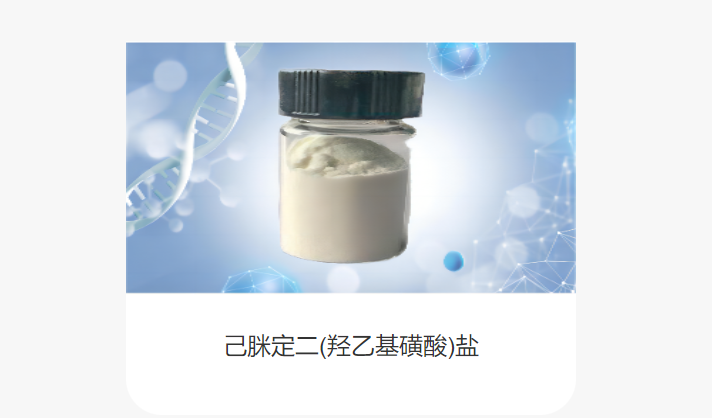
己脒定二(羟乙基磺酸)盐化学性质熔点:246-247°(dec)密度:671[at20℃]蒸气压:0Paat20℃溶解度:Sparinglysolubleinwater,slightlysolubleinethanol(96percent),practicallyinsolubleinmethylenechloride水溶解性:48.2g/Lat20℃InChI:InChI=1S/C20H26N4O2.C2H6O4S/c21-19(22)15-5-9-17(10Chemicalbook-6-15)25-13-3-1-2-4-14-26-18-11-7-16(8-12-18)20(23)24;3-1-2-7(4,5)6/h5-12H,1-4,13-14H2,(H3,21,22)(H3,23,24);3H,1-2H2,(H,4,5,6)InChIKey:NBVZMBLJRHUOJR-UHFFFAOYSA-NSMILES:C(CO)S(O)(=O)=O.O(C1C=CC(C(N)=N)=CC=1)CCCCCCOC1C=CC(C(N)=N)=CC=1
*The following content is generated by AI and is for reference only.
Hexamidine diisethionate is a widely recognized synthetic bis-guanidinium compound extensively utilized in the pharmaceutical and cosmetic industries for its potent antimicrobial properties. With the Chemical Abstracts Service (CAS) Registry Number 2163-75-9, this substance serves as a critical active ingredient in various therapeutic formulations designed to combat bacterial and fungal infections. Its molecular formula is C14H24N6O8S2, reflecting a structure composed of two hexamidine units linked by diisethionate counterions, which enhances its solubility in water compared to its free base form.
The primary application of Hexamidine diisethionate lies in its efficacy as an antiseptic and disinfectant. It is frequently incorporated into eye drops, nasal sprays, and throat lozenges to treat conditions such as conjunctivitis, rhinitis, and pharyngitis caused by susceptible microorganisms. The compound functions by disrupting microbial cell membranes and inhibiting essential enzymatic processes, thereby preventing the proliferation of pathogens like Staphylococcus aureus, Pseudomonas aeruginosa, and Candida species. Due to its broad-spectrum activity against both Gram-positive and Gram-negative bacteria, it remains a preferred choice for topical treatments where rapid action and low systemic absorption are required.
Beyond medical applications, this agent is also valued in the cosmetic sector for preserving product integrity against contamination. Its ability to maintain sterility in aqueous environments makes it suitable for use in lotions, shampoos, and skin cleansers. Furthermore, research continues to explore its potential in treating viral infections and as a component in wound care products. Despite its high efficacy, safety profiles indicate minimal toxicity when used at recommended concentrations, although hypersensitivity reactions can occur in rare instances. Regulatory bodies worldwide have approved its use within specific concentration limits to ensure consumer safety while maximizing therapeutic benefits. As a versatile biocide, Hexamidine diisethionate continues to play an indispensable role in modern hygiene and infection control strategies, bridging the gap between effective pathogen elimination and patient tolerance.


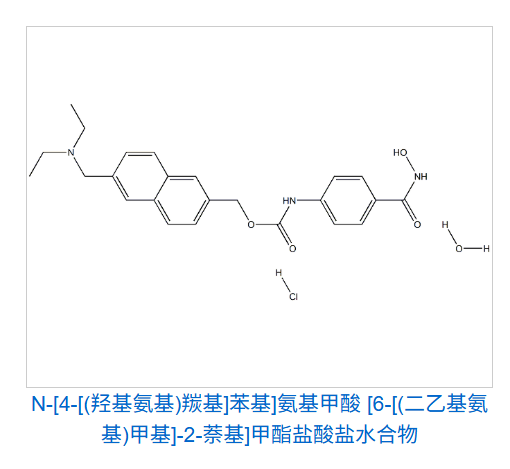
![Fmoc-Lys[Octa(OtBu)-Glu(AEEA-AEEA)-OtBu]-OH](https://eimg.pharmasources.com/image/20250613/FeHjUXzsLKi3QphwhrjEEPsJfBcpas7WsBxnCTKx.jpg)




 (All Rights Reserved)