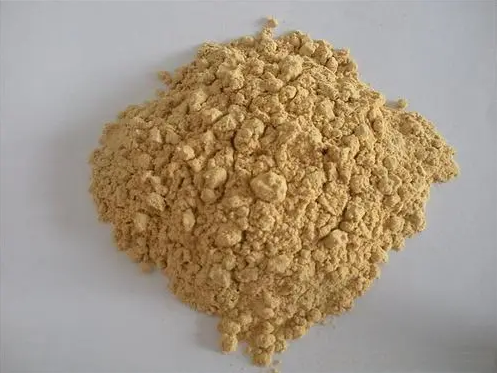
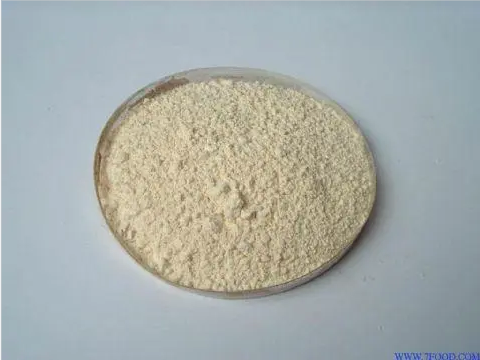
Product Description
please call me ,to know more
AI Product Description
*The following content is generated by AI and is for reference only.
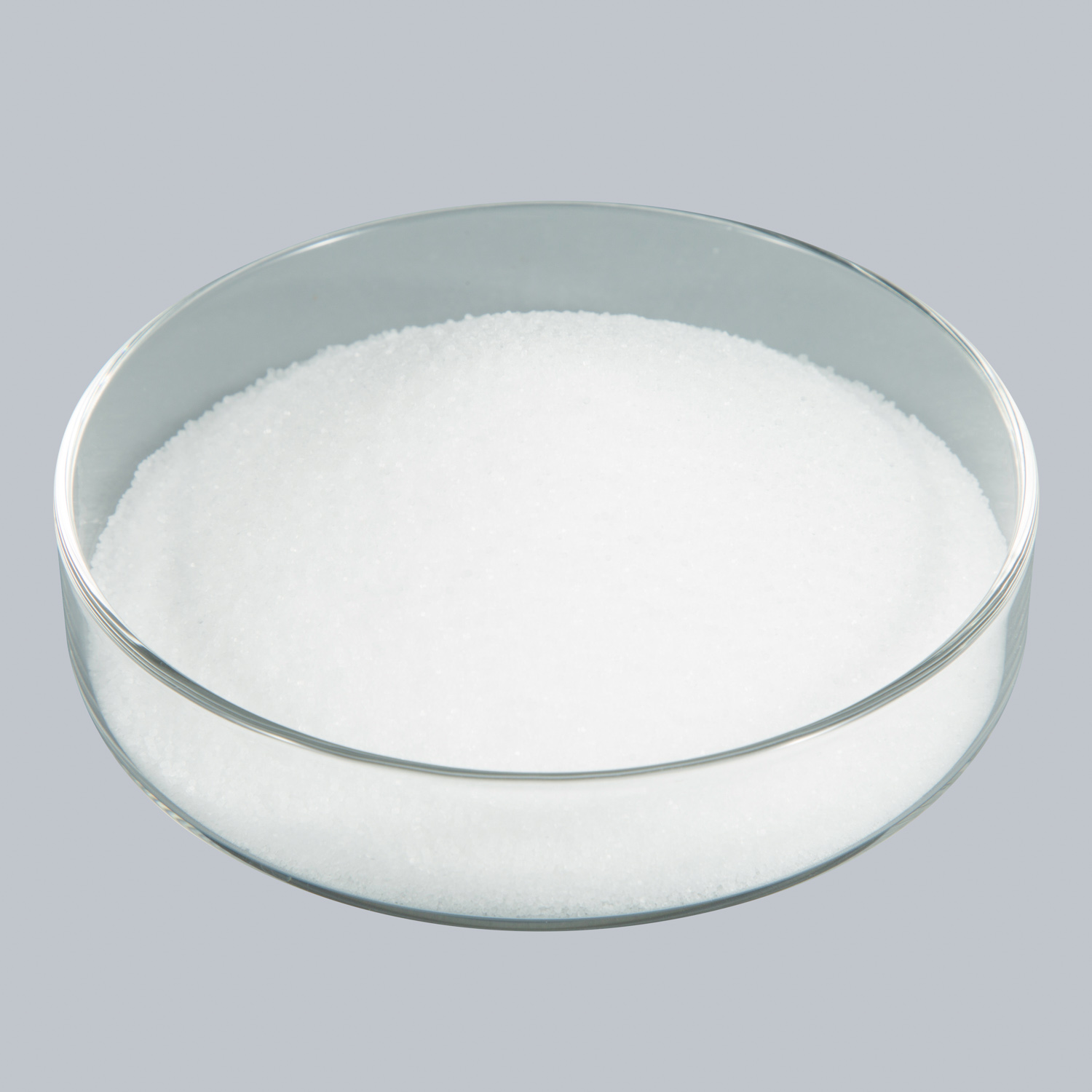
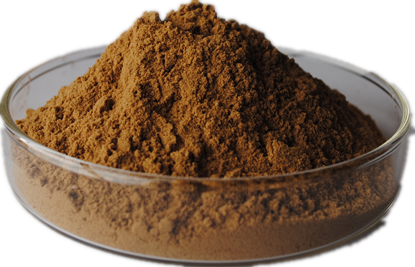
Helicid is a specialized agrochemical product primarily utilized in the field of plant protection, though specific commercial formulations often vary by region and manufacturer. The active ingredient in Helicid is typically identified as Chlorpyrifos-methyl or a related organophosphate derivative, depending on the specific batch and regulatory classification in different markets. However, it is crucial to note that "Helicid" is not a single, universally standardized chemical entity with one fixed CAS number; rather, it represents a trade name for pesticide formulations designed to control soil-borne pests and root-feeding insects in various agricultural crops.
The molecular composition generally involves organophosphorus compounds characterized by high efficacy against a broad spectrum of pests, including wireworms, cutworms, and other subterranean larvae that threaten crop yields. In terms of chemical properties, these substances are often formulated as granules or liquids to ensure effective distribution in the soil profile. The primary mode of action involves the inhibition of acetylcholinesterase in the nervous system of target insects, leading to paralysis and death. This mechanism makes Helicid particularly valuable in protecting cereals, maize, potatoes, and sugar beets during critical early growth stages.
Usage protocols strictly adhere to local agricultural regulations regarding dosage, application timing, and safety intervals. Due to the potential toxicity of organophosphates to non-target organisms, including aquatic life and beneficial insects, strict adherence to safety data sheets (SDS) is mandatory. Farmers must employ personal protective equipment (PPE) during handling to prevent dermal absorption or inhalation. Furthermore, environmental considerations dictate buffer zones near water bodies to prevent runoff contamination. While highly effective for pest management, the global regulatory landscape regarding organophosphates is evolving, with some jurisdictions restricting or banning certain derivatives due to environmental persistence and health concerns. Consequently, users should verify the exact chemical composition and current legal status of Helicid formulations in their specific region before application. Always consult local extension services or certified agronomists to ensure compliance with modern integrated pest management (IPM) strategies.




 (All Rights Reserved)