Product Description
please call me ,to know more
AI Product Description
*The following content is generated by AI and is for reference only.
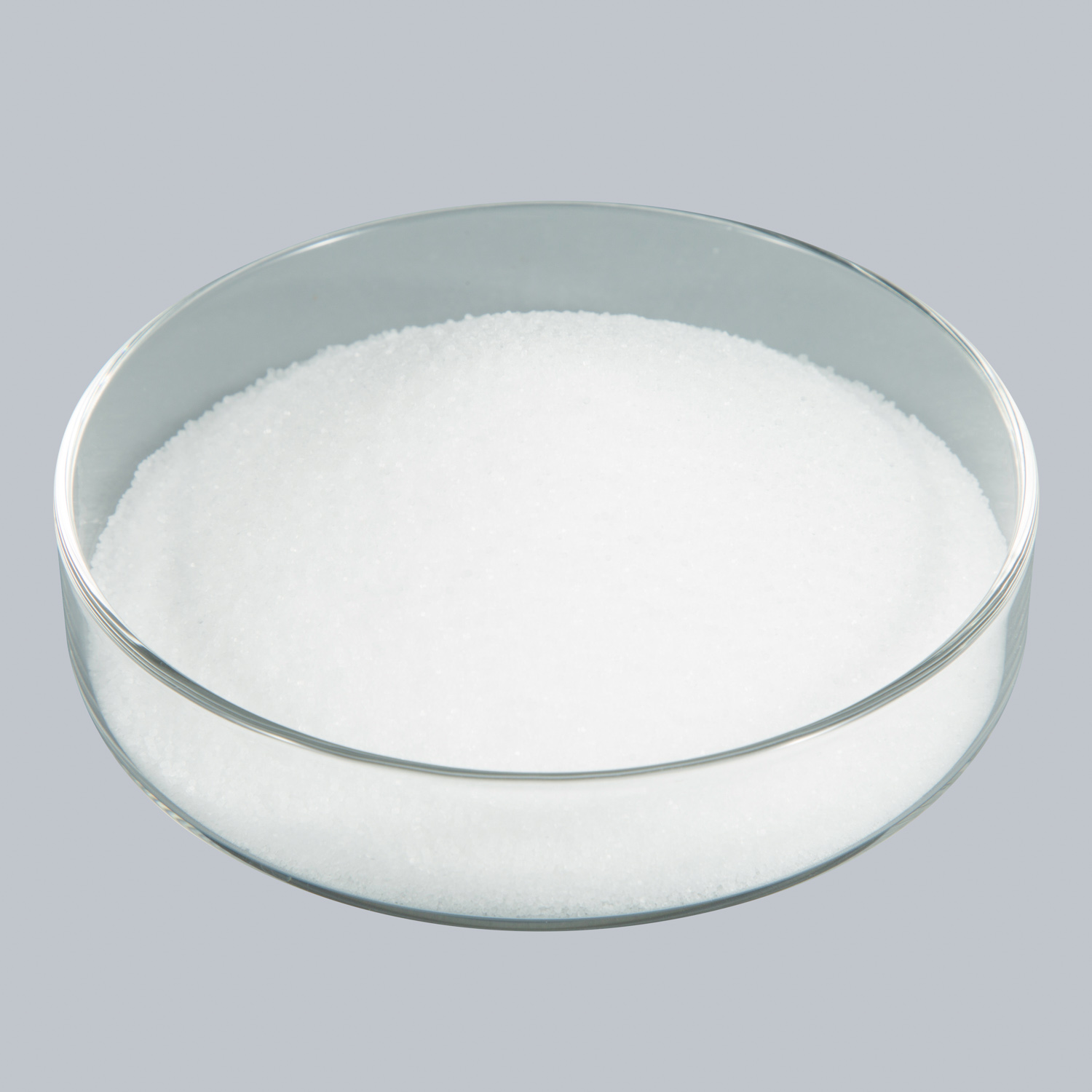
Hederacoside D is a naturally occurring triterpenoid saponin isolated primarily from the leaves of *Hedera helix*, commonly known as English ivy. This bioactive compound belongs to the class of oleanane-type saponins and is characterized by its complex glycosidic structure, which typically features an oleanolic acid aglycone linked to various sugar moieties including glucose, galactose, and rhamnose. The molecular formula of Hederacoside D is C48H76O19, with a molecular weight of approximately 920.1 g/mol. Its specific CAS registry number is 53179-68-5, which serves as a unique identifier for chemical databases and regulatory compliance documentation worldwide.
The primary applications of Hederacoside D are rooted in traditional medicine and modern pharmacological research. Historically, extracts containing this saponin have been utilized to treat respiratory conditions due to their expectorant and mucolytic properties. By stimulating the secretion of bronchial mucus and reducing its viscosity, Hederacoside D facilitates the clearance of airway secretions, making it a valuable component in cough syrups and herbal remedies for bronchitis and colds. Furthermore, contemporary studies have investigated its potential anti-inflammatory and antioxidant activities, suggesting broader therapeutic possibilities beyond respiratory health. Research indicates that these compounds may modulate inflammatory pathways and protect cells against oxidative stress, although clinical trials are ongoing to fully validate these effects in humans.
In the pharmaceutical industry, Hederacoside D is often used as a reference standard or active ingredient in quality control protocols for herbal supplements derived from ivy. Its isolation and purification require sophisticated chromatographic techniques to ensure high purity levels suitable for scientific analysis and drug formulation. While generally considered safe when used in approved dosages, the potency of saponins necessitates careful handling and adherence to safety guidelines during manufacturing. As interest in natural products grows, Hederacoside D remains a subject of significant scientific inquiry, bridging the gap between ethnobotanical traditions and evidence-based medicine. Its unique structural features continue to inspire researchers exploring new avenues for treating inflammatory diseases and enhancing respiratory function through plant-derived therapeutics.




 (All Rights Reserved)