Product Description
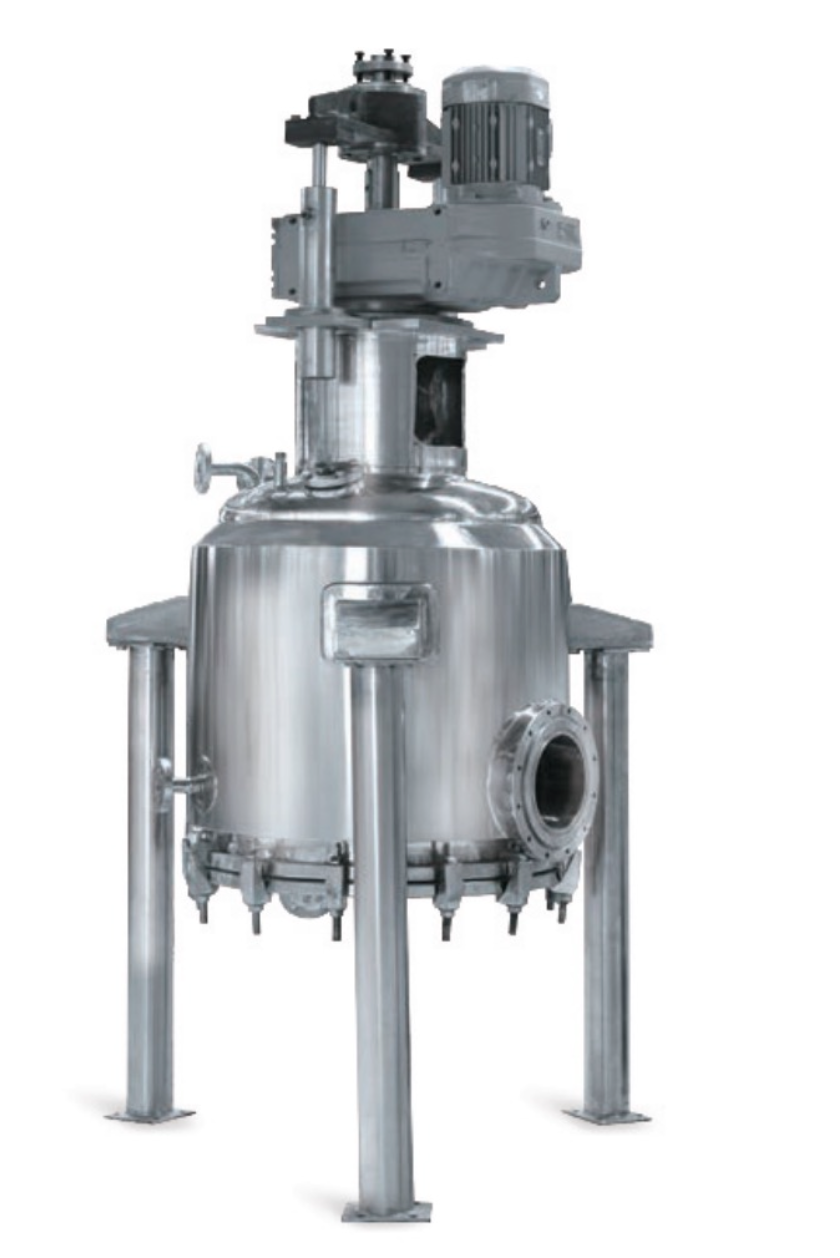
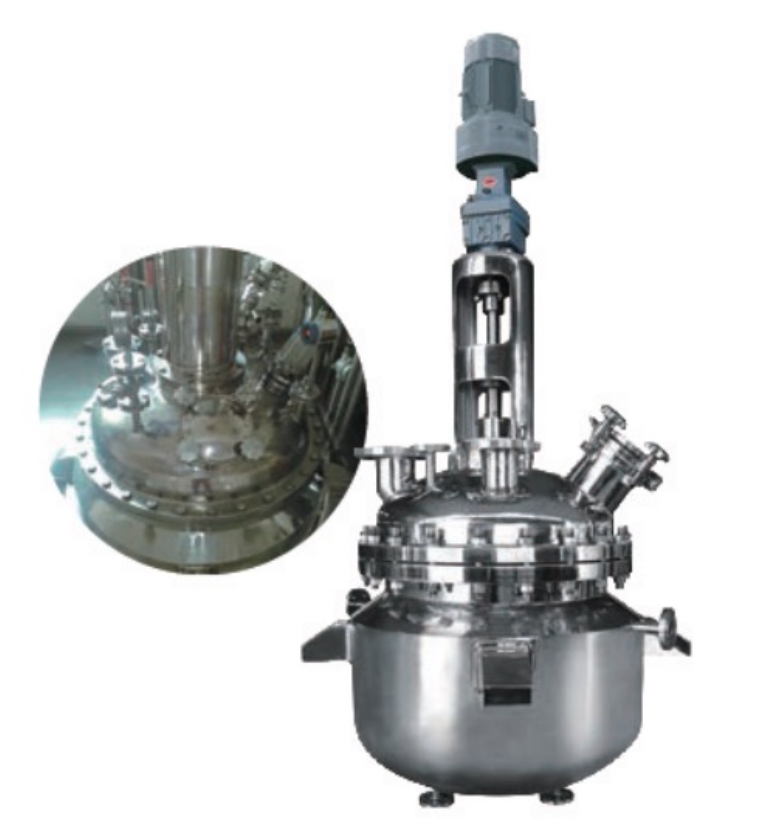
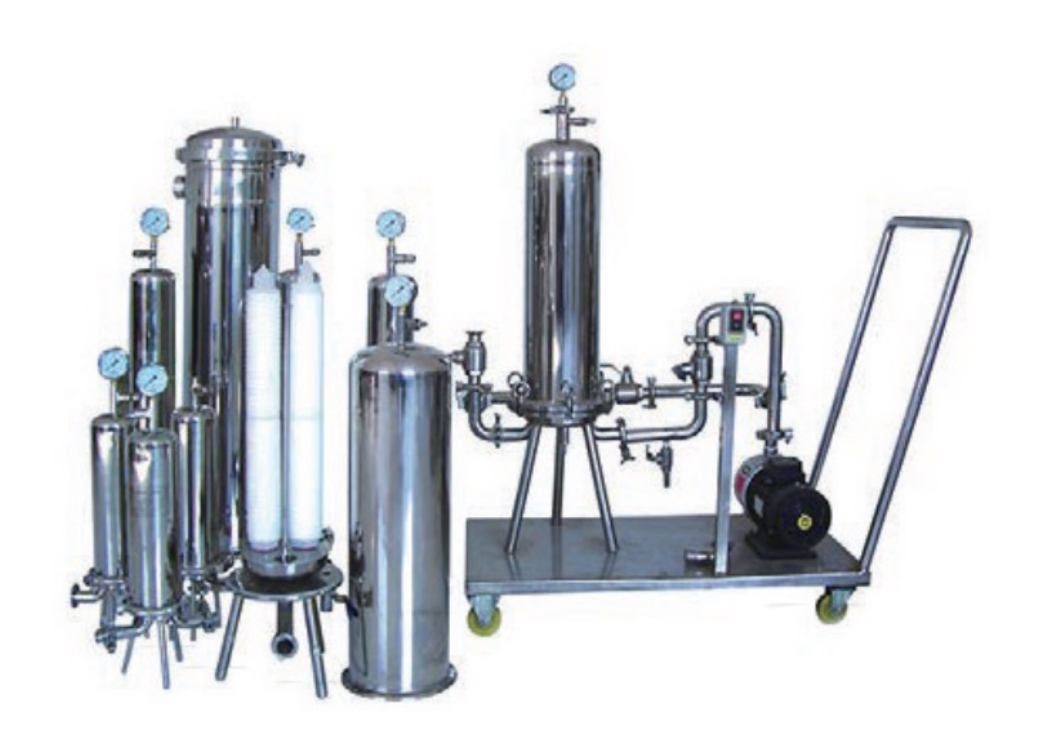
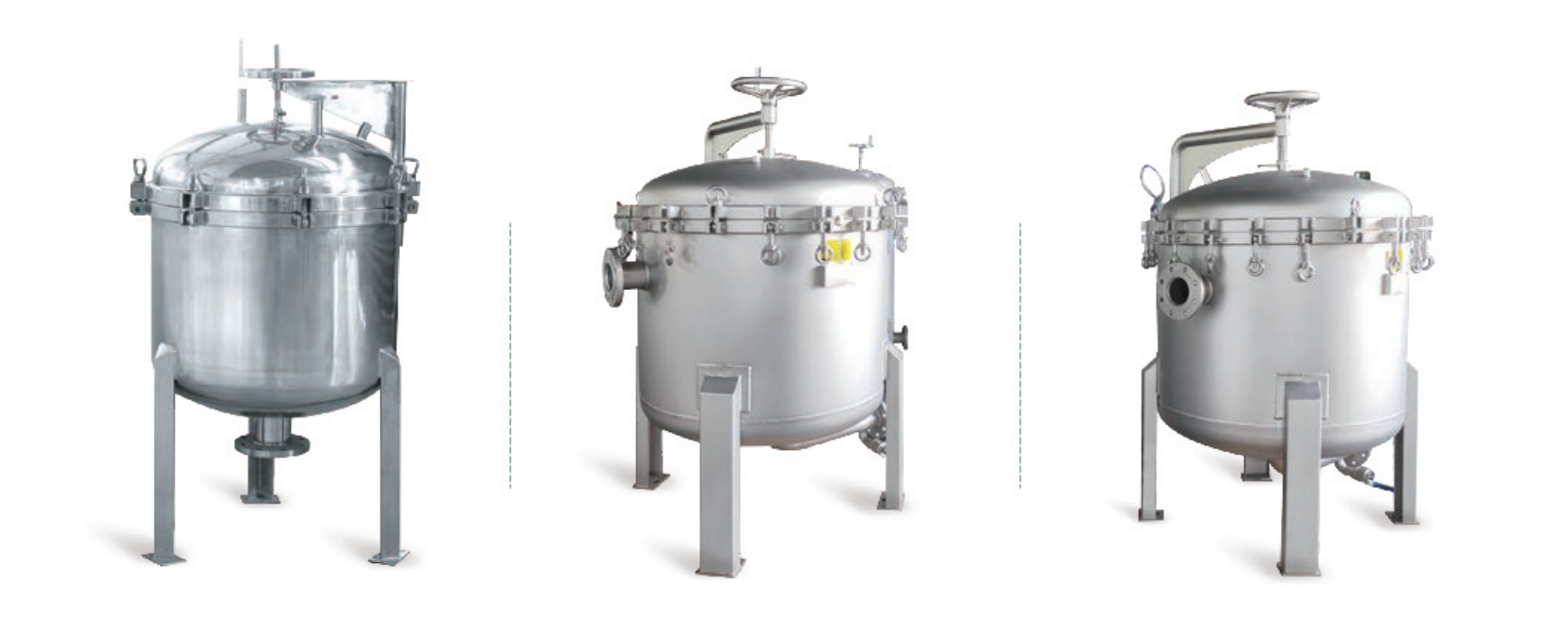
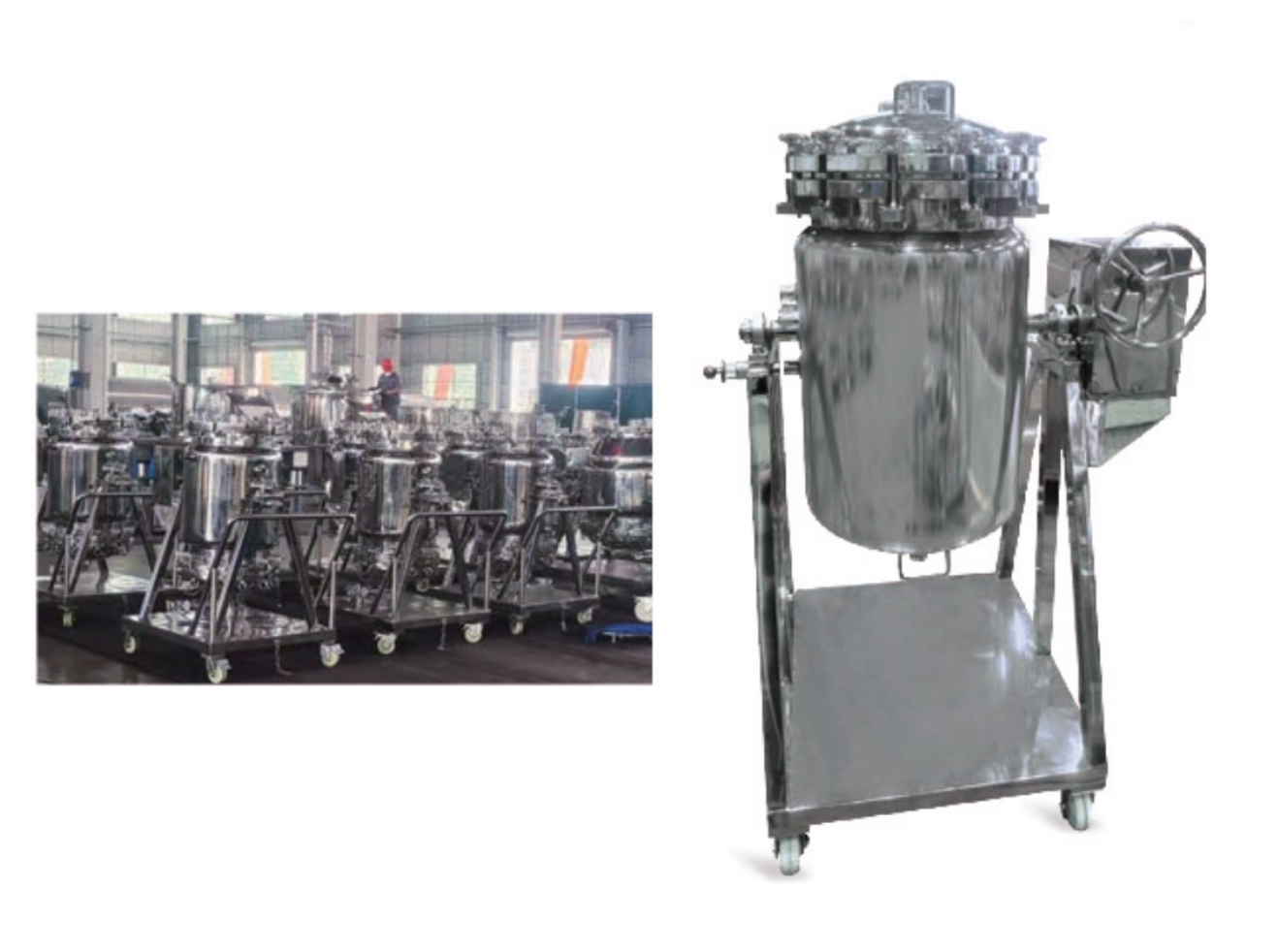
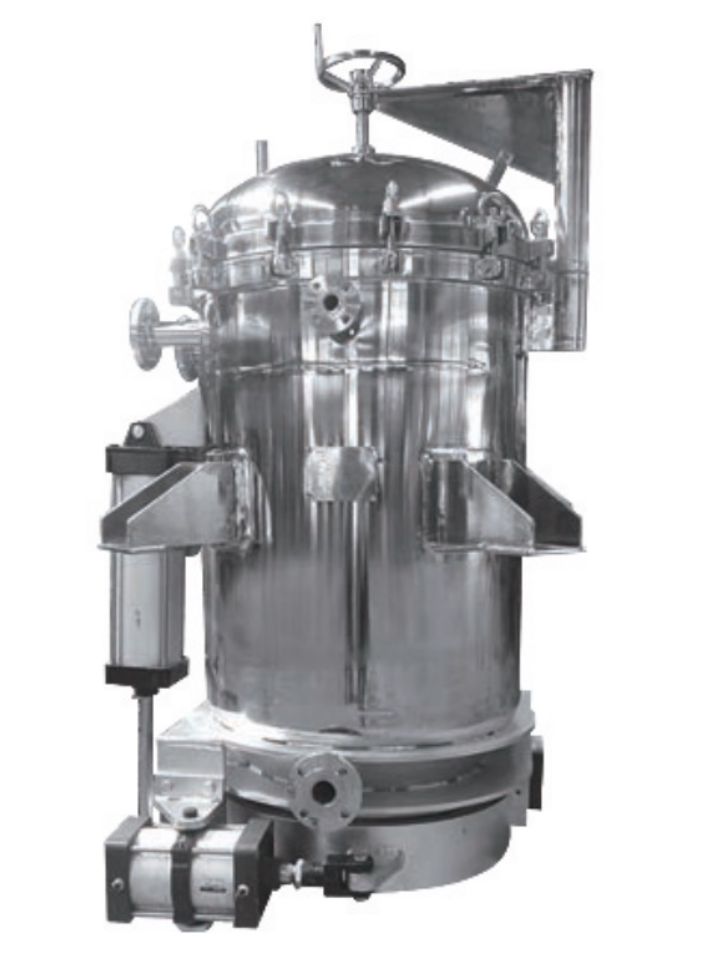
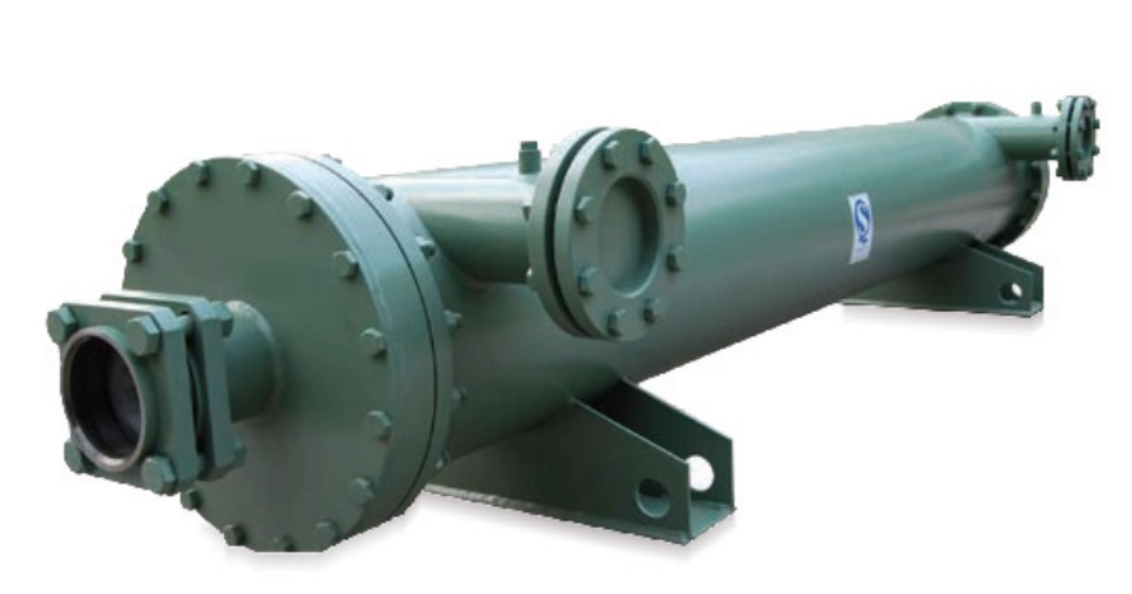
It is a device that transfers part of the heat of a hot fluid toa cold fluid, The heat exchanger occupies an importantposition in the chemical, petroleum, power, food and manyotherindustrial production, its chemical production in theheat exchanger can be used as a heater, coolercondenser, evaporator and reboiler, widely used
AI Product Description
*The following content is generated by AI and is for reference only.
This versatile thermal management device is designed to efficiently transfer heat between two or more fluids without allowing them to mix. Widely utilized across industrial, commercial, and residential sectors, it serves as a critical component in HVAC systems, power generation plants, chemical processing facilities, and automotive cooling applications. By facilitating the exchange of thermal energy, the unit ensures optimal operating temperatures for machinery, prevents overheating, and enhances overall system efficiency and longevity.
In typical installations, hot fluid flows through one set of channels while cooler fluid passes through adjacent passages, separated by conductive walls. This configuration allows heat to move from the warmer medium to the colder one, enabling processes such as steam condensation, liquid cooling, or waste heat recovery. The design often features compact structures that maximize surface area within minimal space, making it ideal for retrofitting existing infrastructure or integrating into new construction projects where space constraints are a priority.
When handling this equipment, several precautions must be observed to ensure safety and performance. First, always verify pressure ratings and temperature limits before operation to prevent structural failure or leaks. Proper alignment during installation is essential to avoid stress on piping connections. Regular maintenance includes inspecting seals, cleaning internal surfaces to remove scale or debris, and checking for corrosion, especially in environments with aggressive chemicals. Operators should never exceed the maximum differential pressure specified by engineering standards. Additionally, during shutdown procedures, allow the system to cool gradually to avoid thermal shock. For hydraulic or volatile fluid applications, strict adherence to leak detection protocols is mandatory to protect personnel and the environment. Always consult local regulations regarding fluid disposal and ensure that qualified technicians perform any major repairs. With proper care, this device delivers reliable, long-term thermal control, contributing significantly to energy conservation and operational stability in diverse industrial settings.





 (All Rights Reserved)