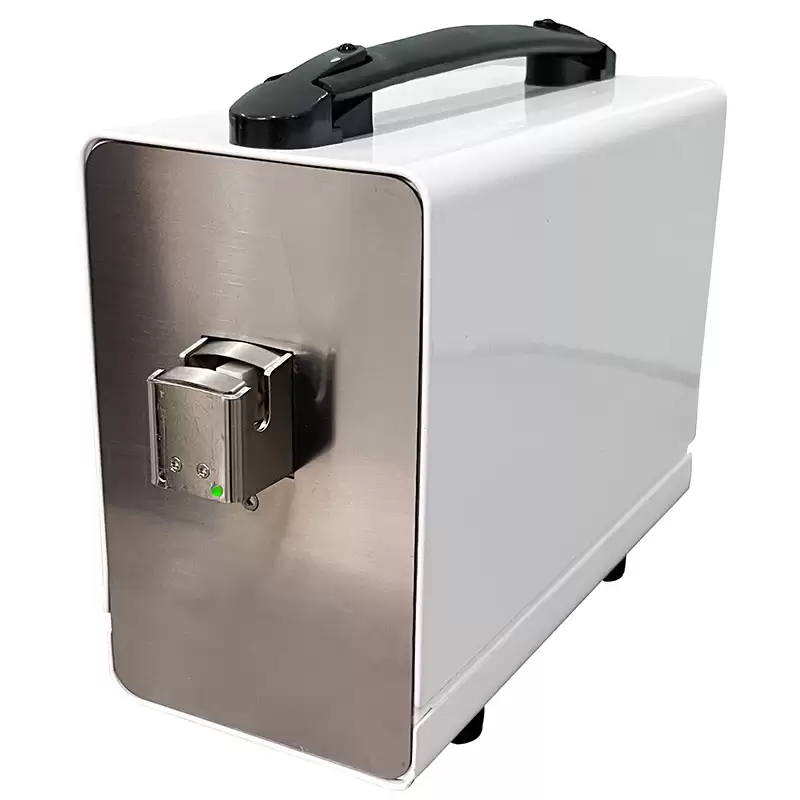
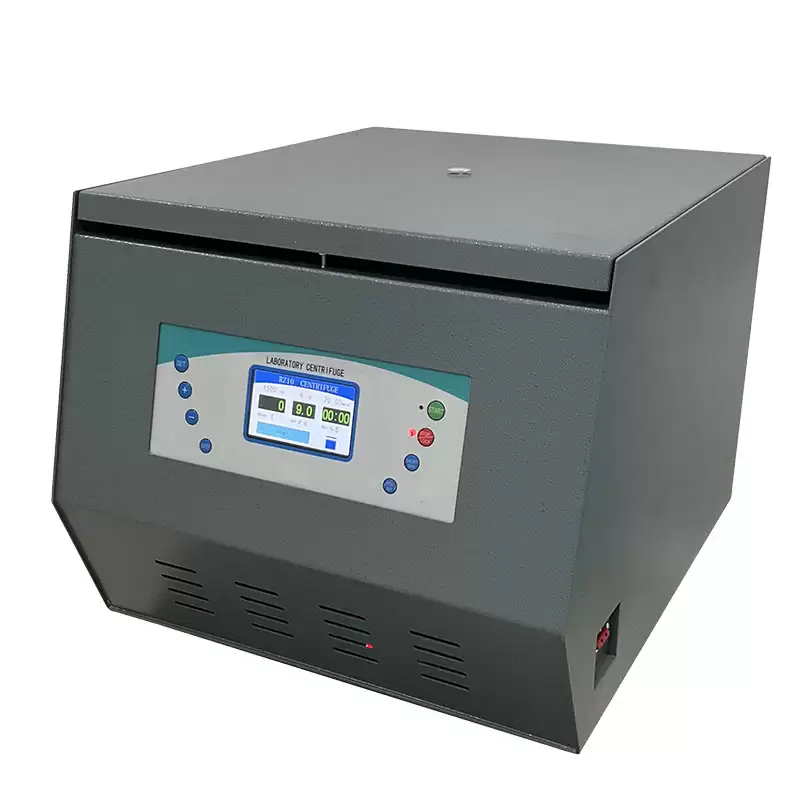
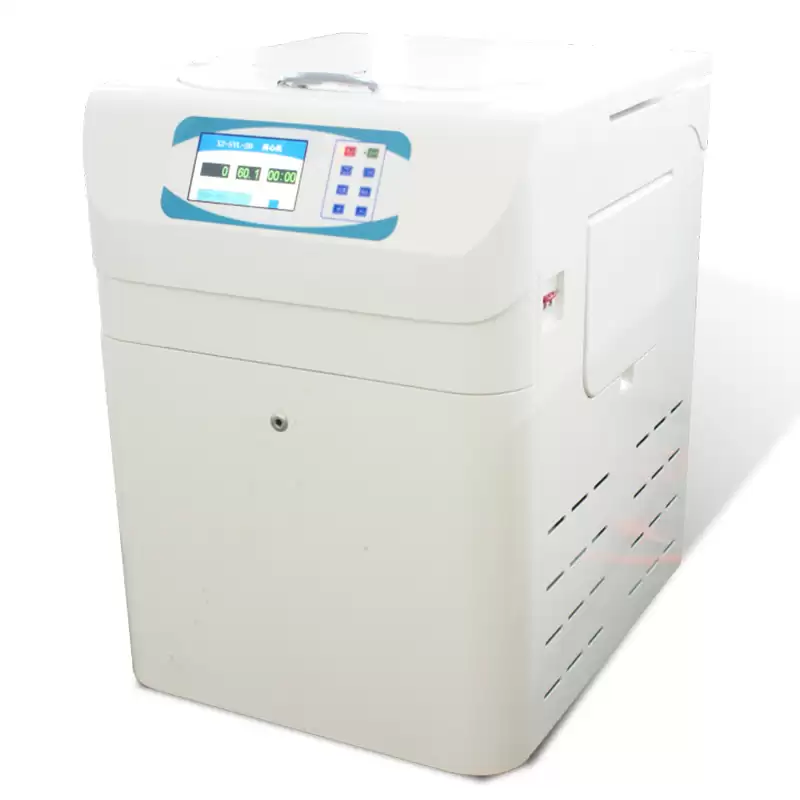
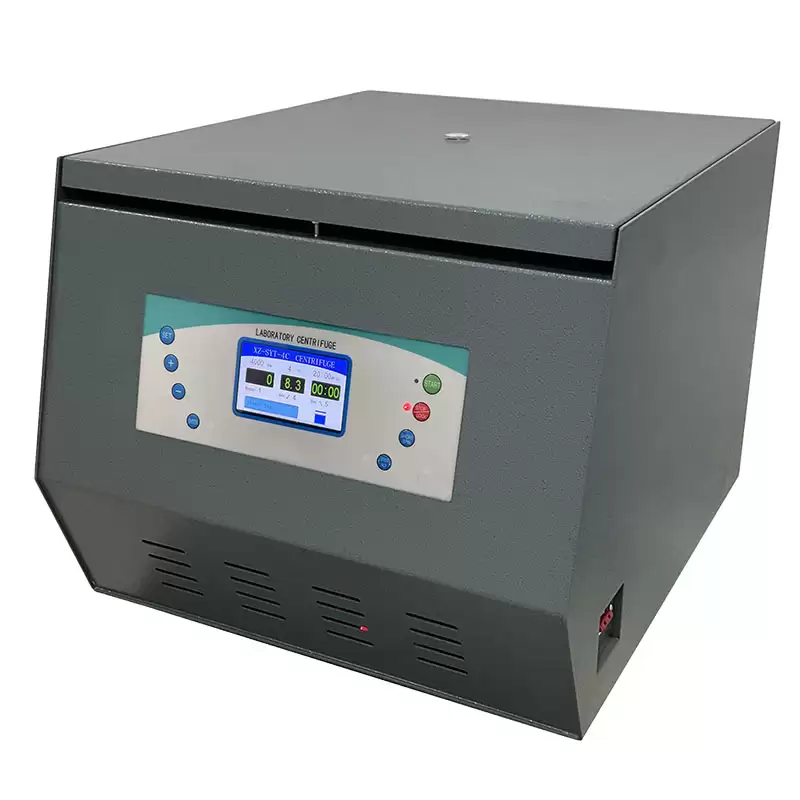
Product Description
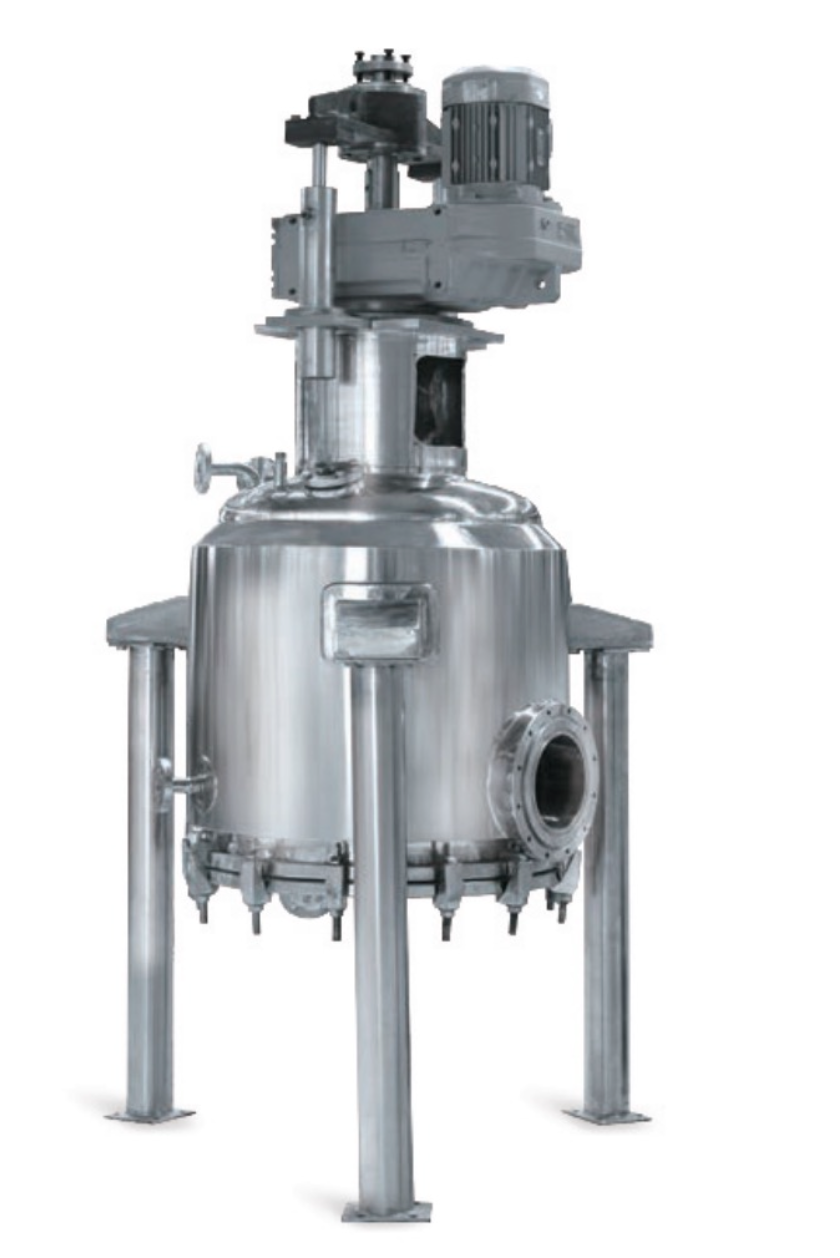
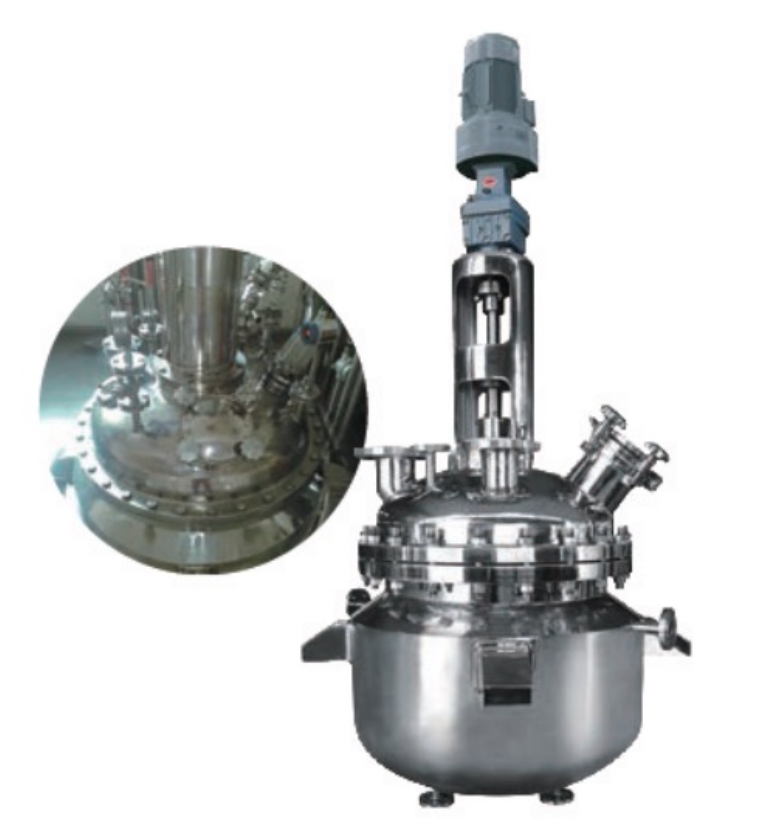
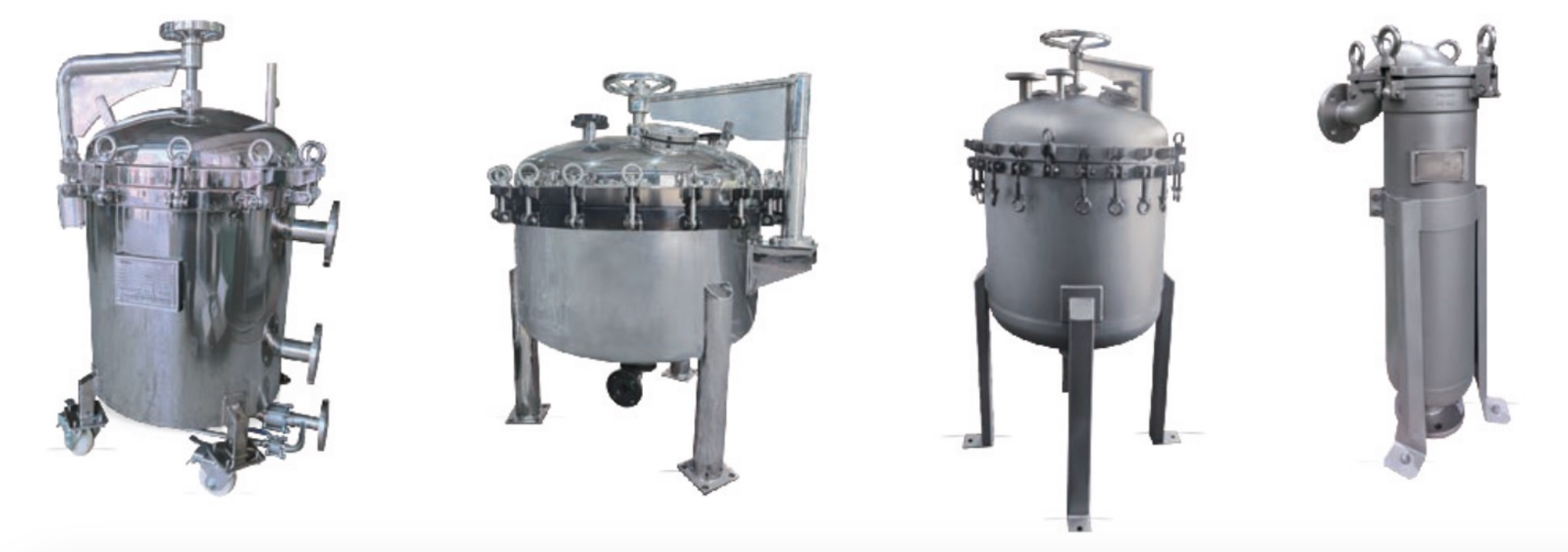
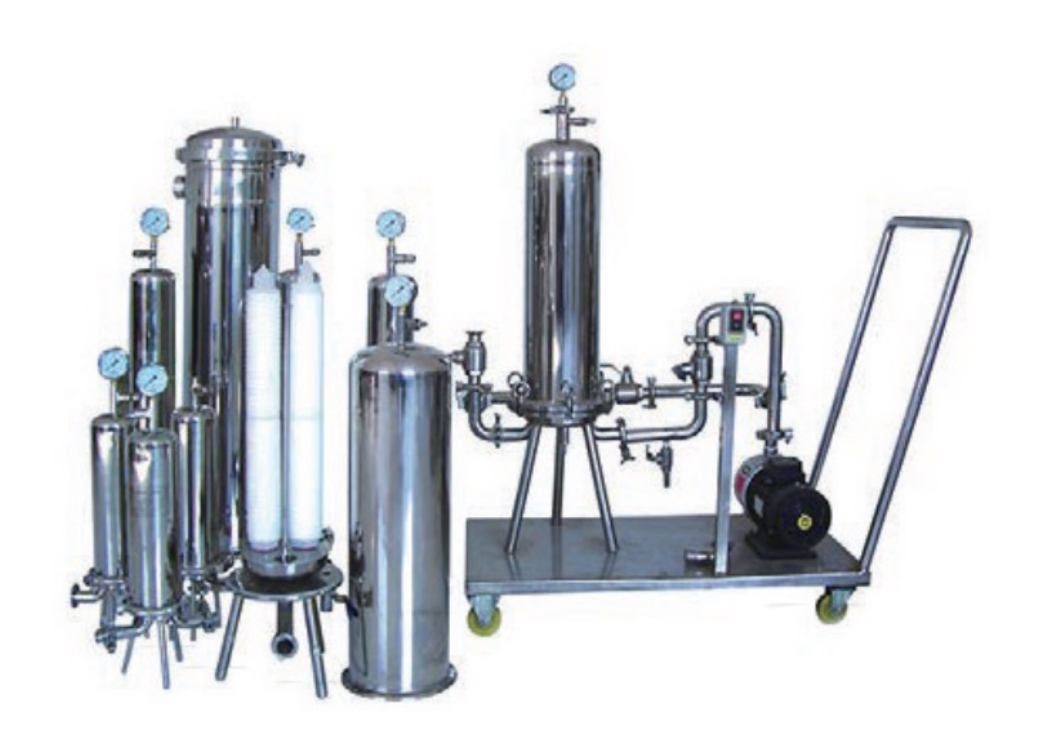
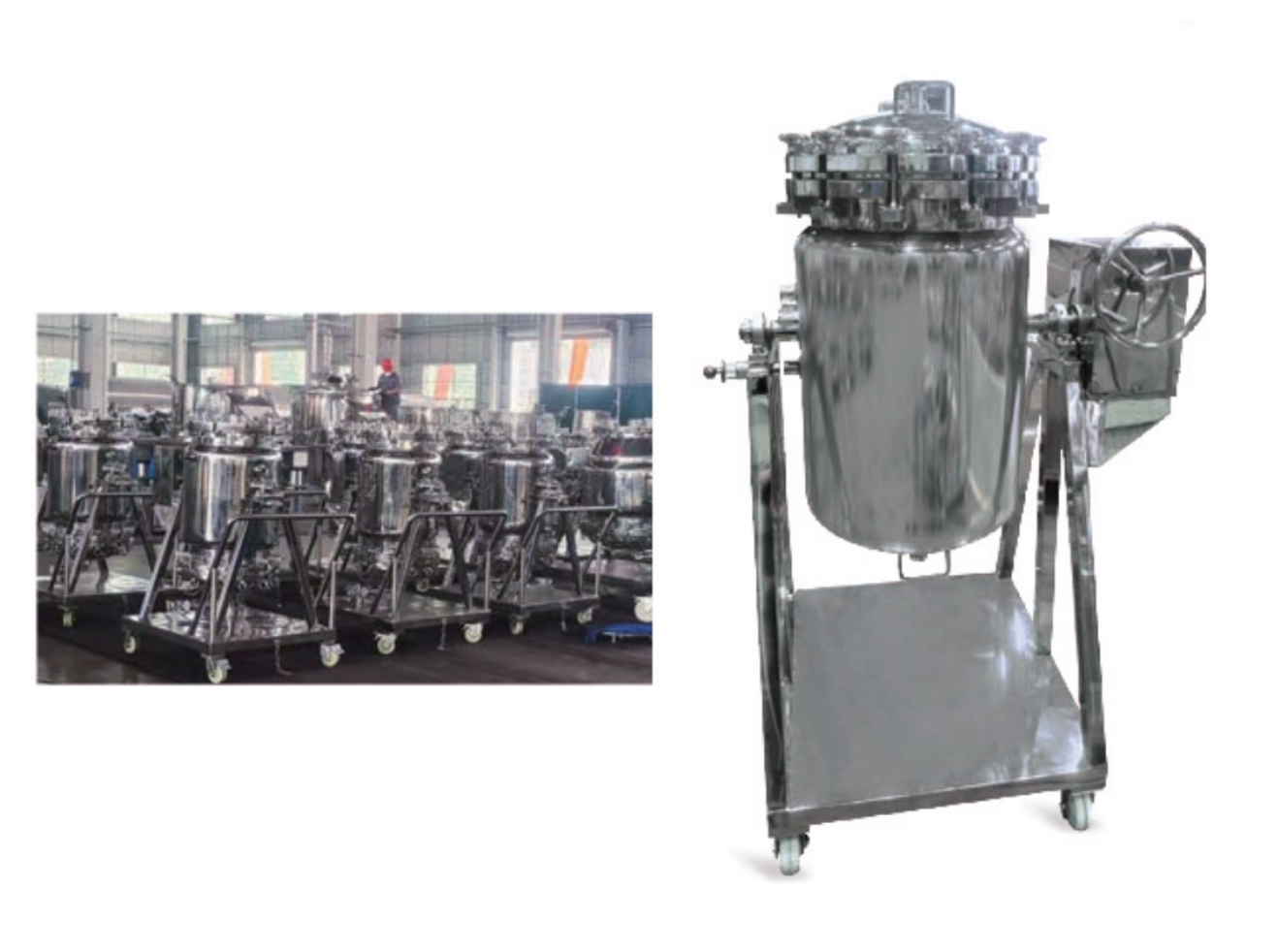
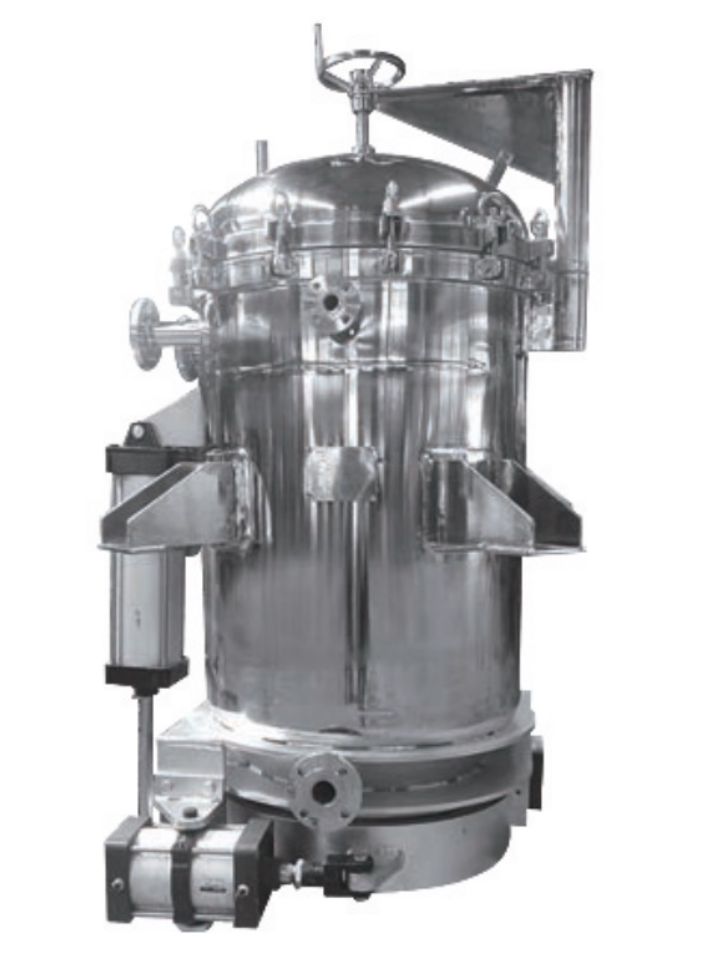
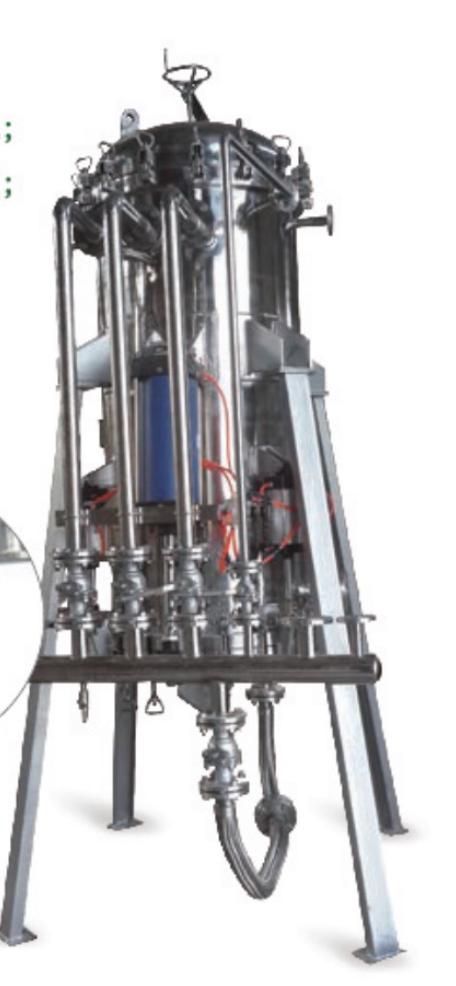
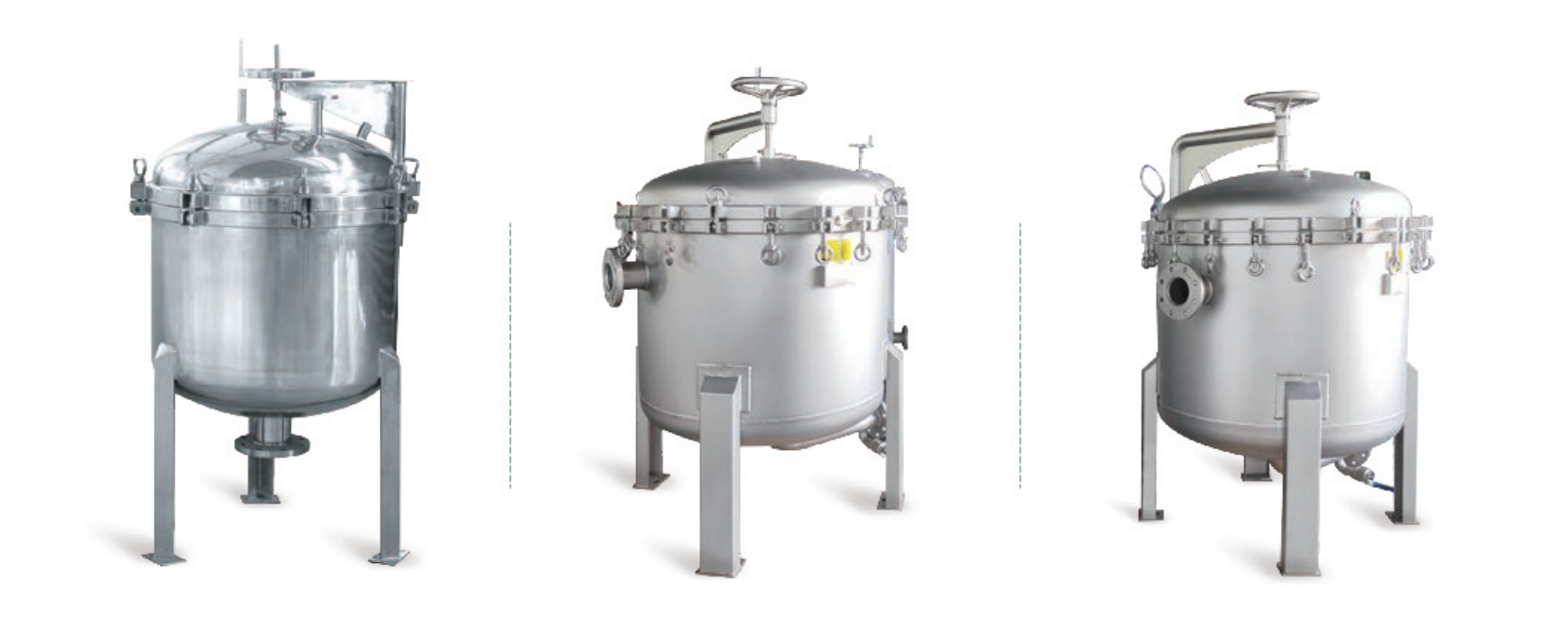
Using clamp lock the seal instead of the bolt locking force plane sealing guick open structure.t is intermittent artifcial operating equipment.
thus has compact structure, good sealina performance, hich effciency, convenient disassemblina, labor intensity low bottom etc.
AI Product Description
*The following content is generated by AI and is for reference only.
The filter press is a widely used industrial separation device designed to efficiently dewater slurries by separating solid particles from liquid suspensions. Operating on the principle of mechanical pressure, this equipment forces slurry into a series of recessed plates or membrane chambers lined with filter cloths. As the fluid passes through the cloth, solids are retained as a cake, while the clarified filtrate exits the system. This technology is indispensable across various sectors, including wastewater treatment, chemical processing, mining, food and beverage production, and pharmaceutical manufacturing. Its primary advantage lies in producing dry solid cakes with high moisture reduction, minimizing disposal costs and facilitating easier handling or further processing of waste materials.
Key operational features include the ability to handle high-pressure filtration, which enhances throughput and cake dryness compared to gravity filters. The process typically involves four stages: filling, pressing, washing (if required), and cake discharge. Modern units often incorporate automated controls for safety and efficiency, allowing for precise regulation of pressure cycles and cycle times. However, several critical precautions must be observed during operation to ensure personnel safety and equipment longevity. Operators must strictly adhere to lockout/tagout procedures before any maintenance or plate changing activities, as the machine operates under significant hydraulic pressure that can cause severe injury if released unexpectedly. Regular inspection of filter cloths is essential; damaged or clogged media can lead to uneven filtration, leaks, or reduced cake quality. Furthermore, proper alignment of plates is crucial to prevent spillage and maintain sealing integrity. Temperature and chemical compatibility of the gaskets and plates must also match the specific slurry characteristics to avoid corrosion or degradation. Finally, adequate ventilation should be maintained when handling volatile or hazardous slurries to protect operators from fumes. By following these guidelines, industries can maximize the efficiency and lifespan of their filtration systems while ensuring a safe working environment.





 (All Rights Reserved)