Product Description
[product name]: hawthorn extract
[Latin name]: Mountain red Craleagus pinnatifida. Bge.var.major N.E.Br., Hawthorn Crataegus pinnatifida Bge.
[English name]: Hawthorn Fruit Extract
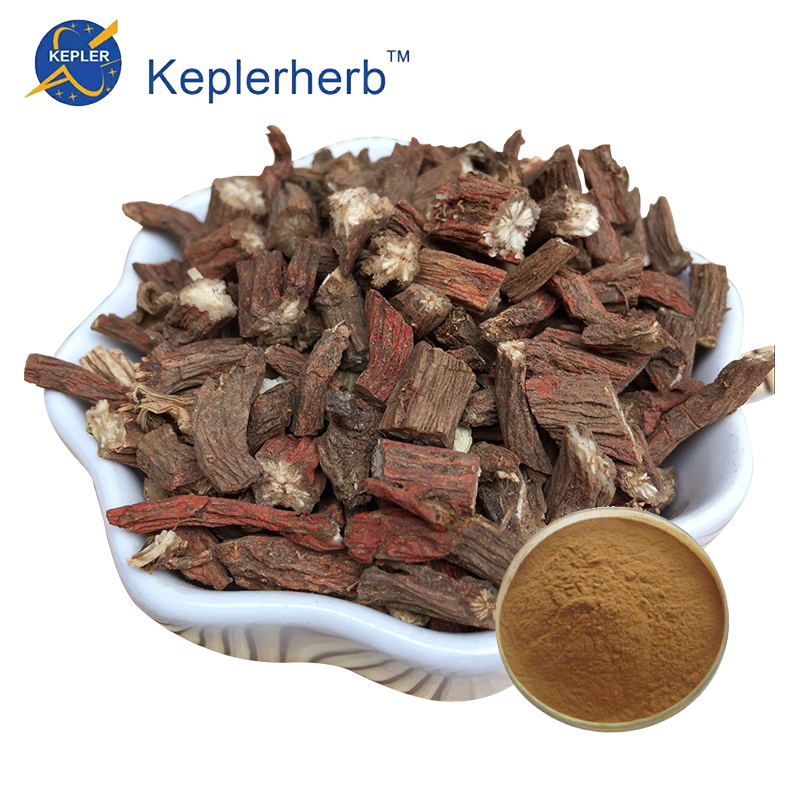
[Source of extraction]: Dry mature fruit of Rosaceae plant Hill Red Craleagus pinnatifida. Bge.var.major N.E.Br. or Hawthorn Crataegus pinnatifida Bge.
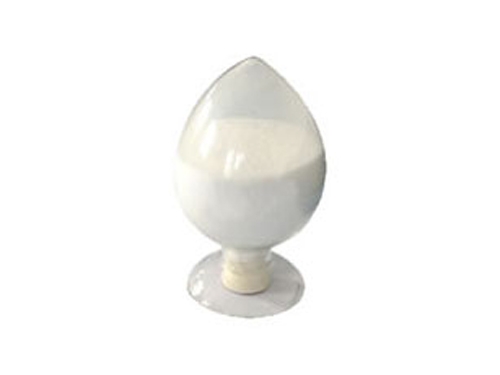
[product specifications]: hawthorn flavonoids 25%, 80%
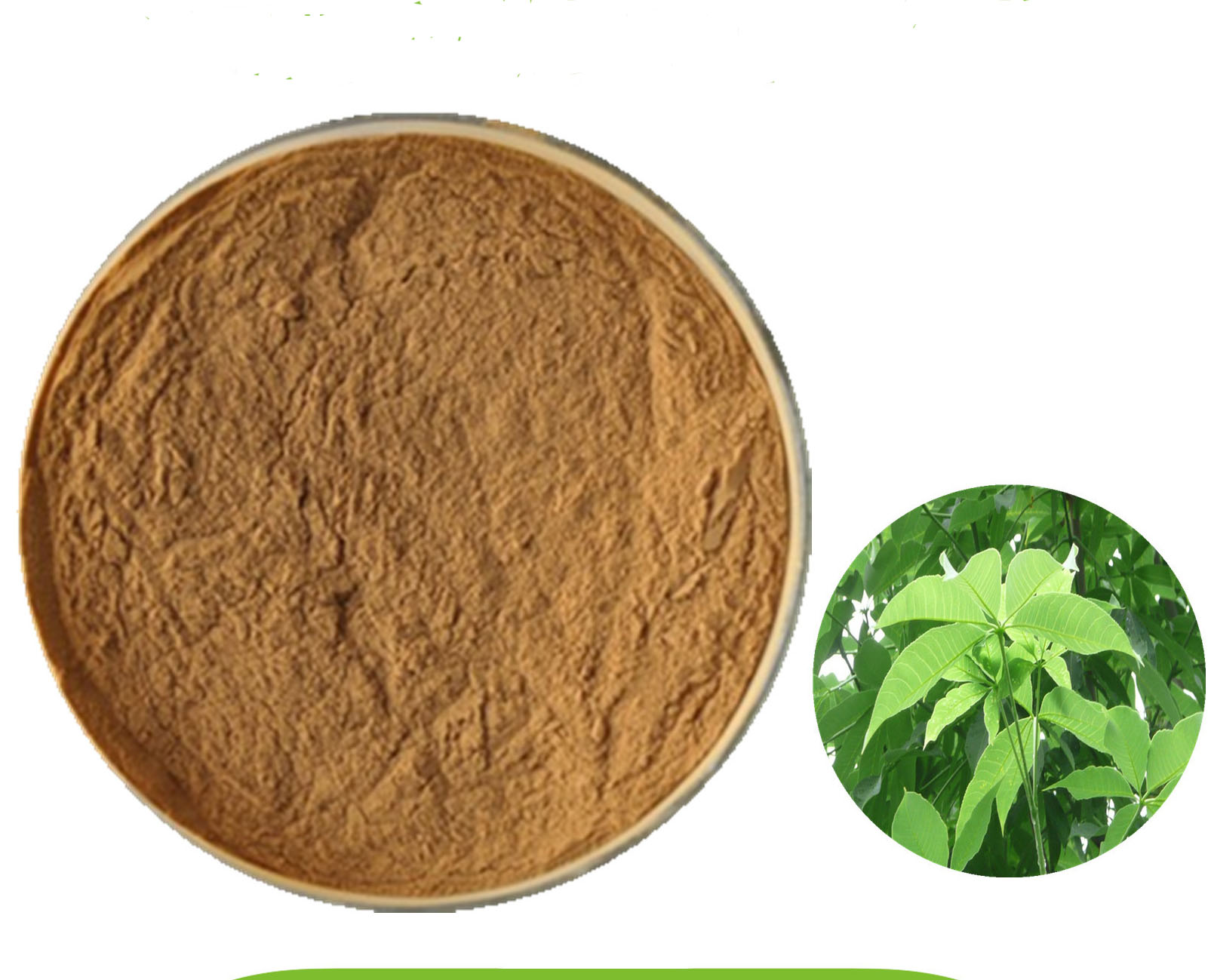
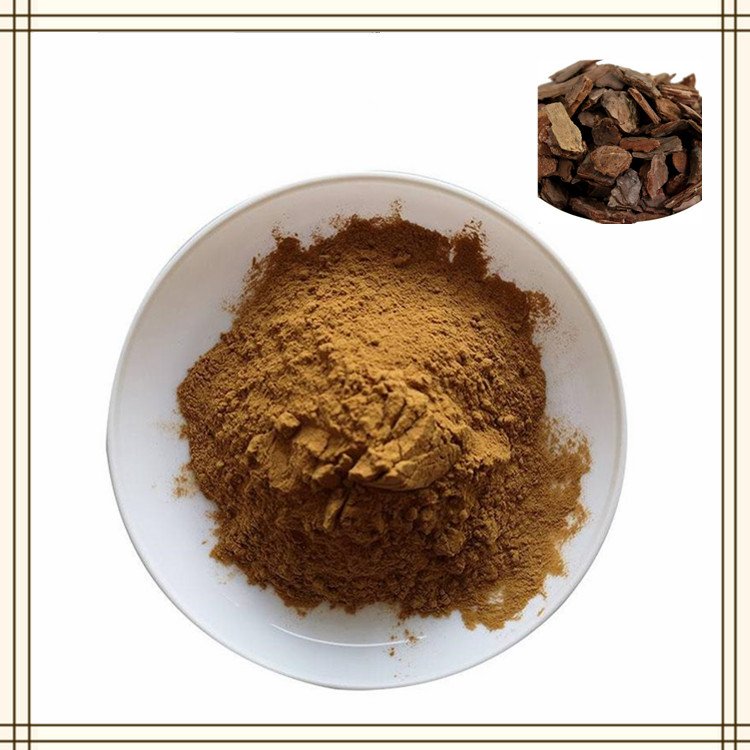
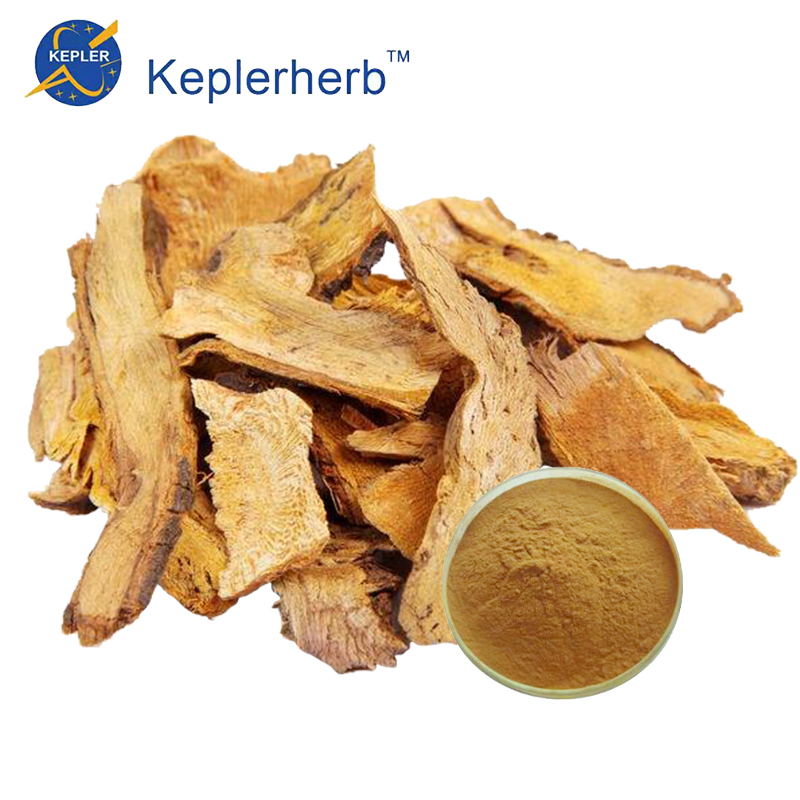
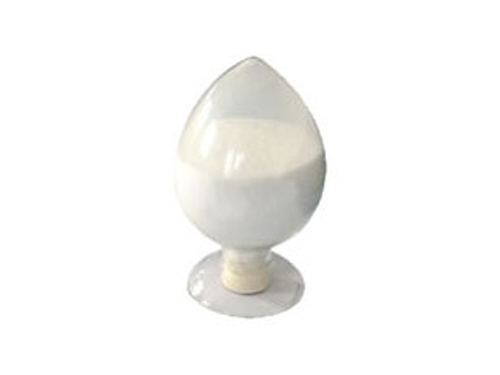
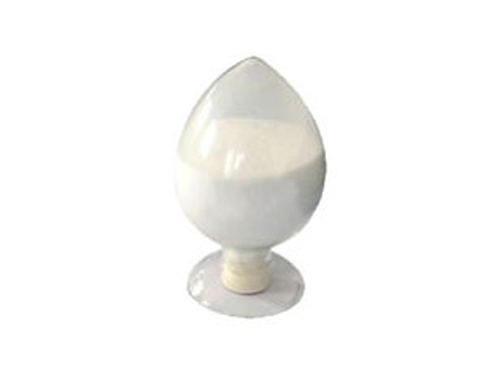
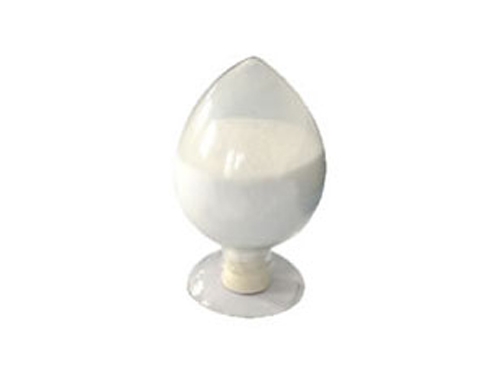
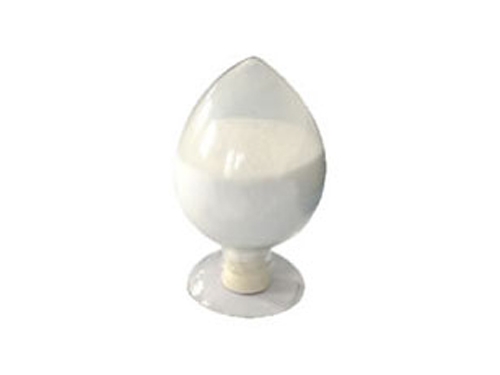
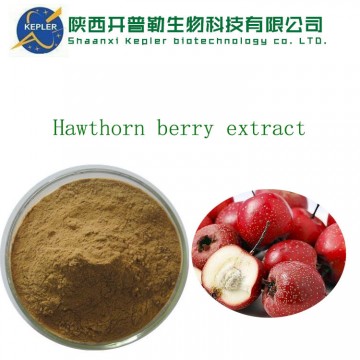
[product appearance]: brownish yellow powder
[Size]: 80 mesh
[Test method]: UV
AI Product Description
*The following content is generated by AI and is for reference only.
Hawthorn berry extract, derived primarily from the fruits of *Crataegus* species such as *Crataegus monogyna* and *Crataegus laevigata*, is a widely utilized herbal supplement renowned for its cardiovascular benefits. Unlike synthetic compounds with a single defined molecular formula or CAS number, hawthorn extract is a complex phytochemical mixture containing hundreds of bioactive constituents. The primary active components include flavonoids (such as vitexin, hyperoside, and rutin), oligomeric procyanidins (OPCs), and triterpene acids. Because it is a natural botanical extract rather than a pure chemical substance, it does not possess a unique molecular formula or a specific CAS registry number; instead, it is often characterized by standardized markers like "total flavonoid content" to ensure quality and potency across different batches.
The therapeutic applications of hawthorn berry extract are predominantly centered on heart health. Historically used in European folk medicine, modern clinical research supports its efficacy in managing mild to moderate congestive heart failure, hypertension, and angina pectoris. The extract functions through multiple mechanisms: it acts as a potent antioxidant, scavenging free radicals to reduce oxidative stress within cardiac tissues; it enhances myocardial contractility without significantly increasing oxygen demand; and it promotes vasodilation, thereby improving blood flow and lowering peripheral resistance. Additionally, hawthorn may help regulate lipid profiles by reducing serum cholesterol levels. Beyond cardiovascular support, the high concentration of antioxidants contributes to general anti-inflammatory effects and cellular protection.
In the commercial sector, hawthorn extract is available in various forms, including capsules, tinctures, teas, and liquid drops. It is frequently incorporated into dietary supplements marketed for heart maintenance and stress relief. While generally considered safe for most adults when taken at recommended dosages, potential interactions with prescription cardiac medications, such as digoxin or beta-blockers, necessitate medical consultation before use. As a natural remedy, it represents a bridge between traditional herbal wisdom and contemporary evidence-based integrative medicine, offering a holistic approach to sustaining cardiovascular wellness.





 (All Rights Reserved)