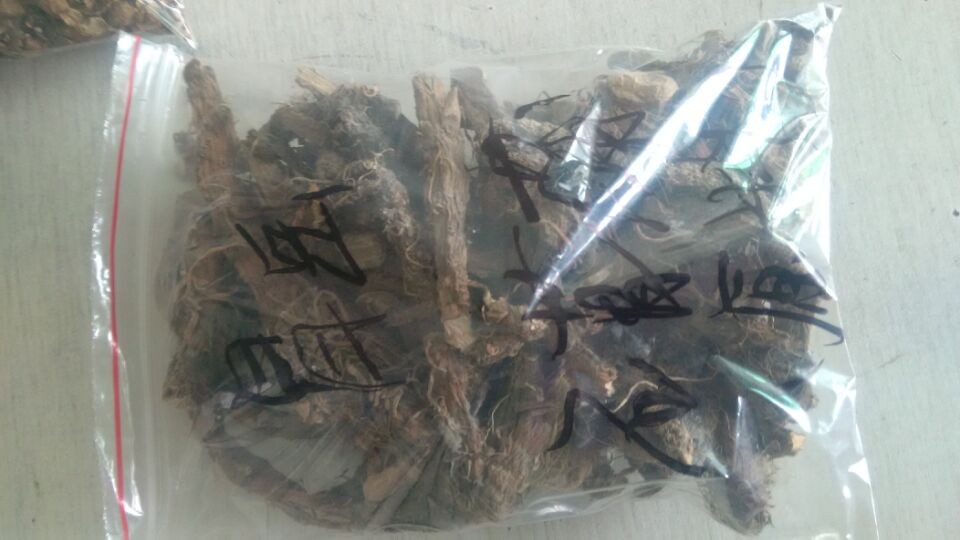
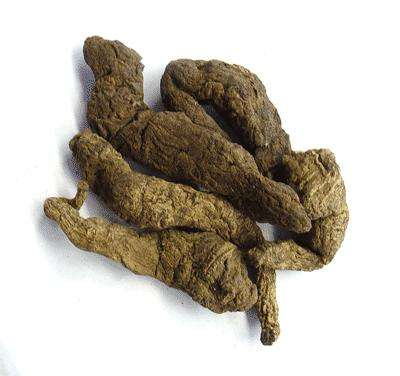
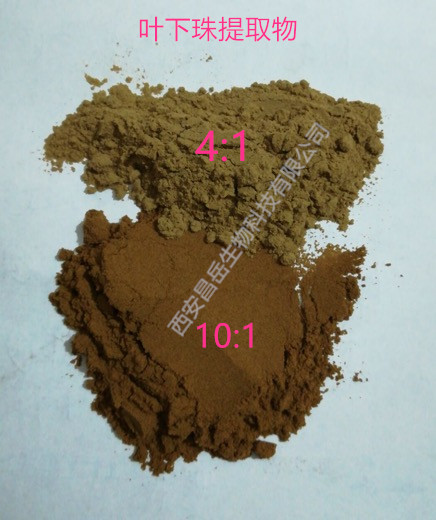
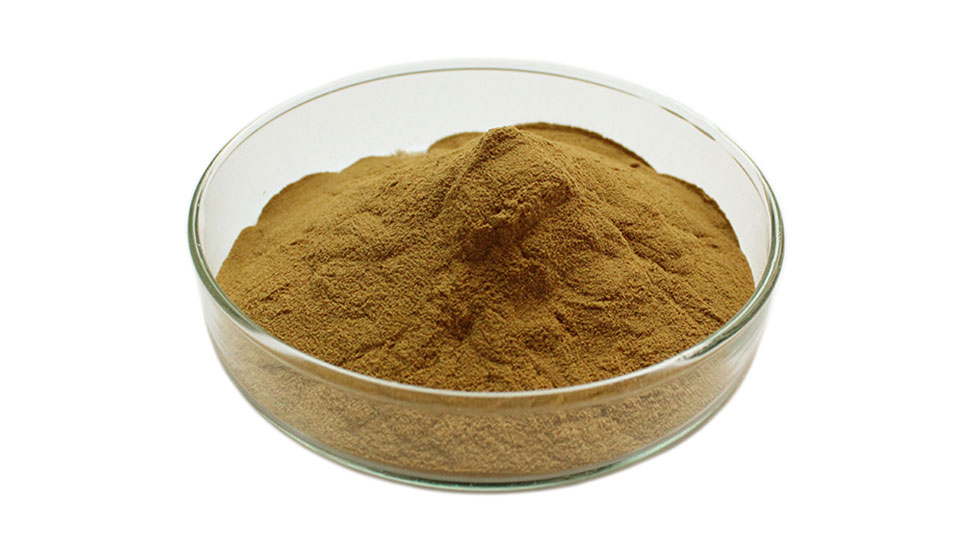
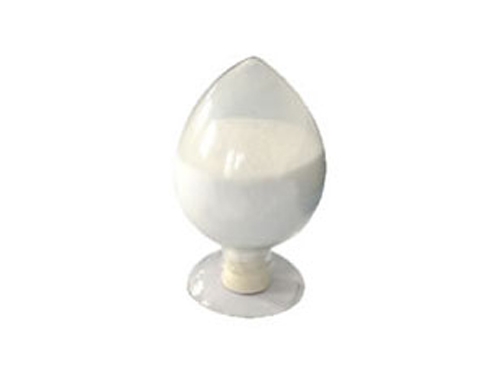
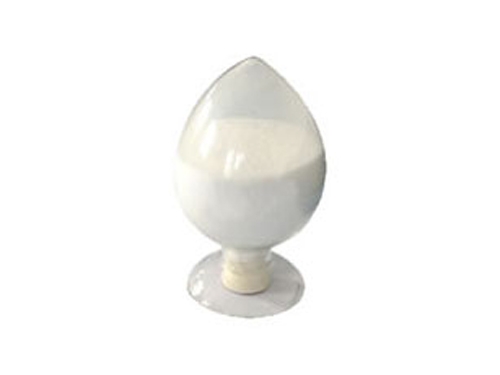
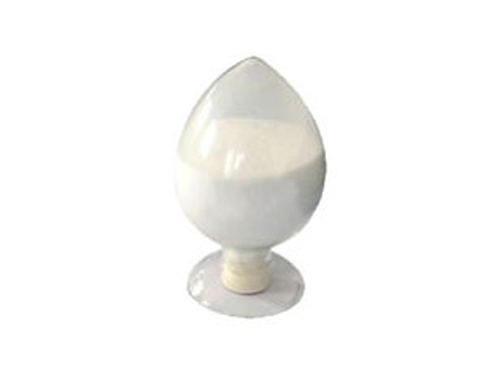
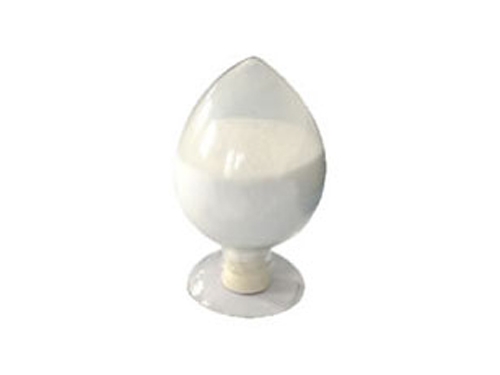
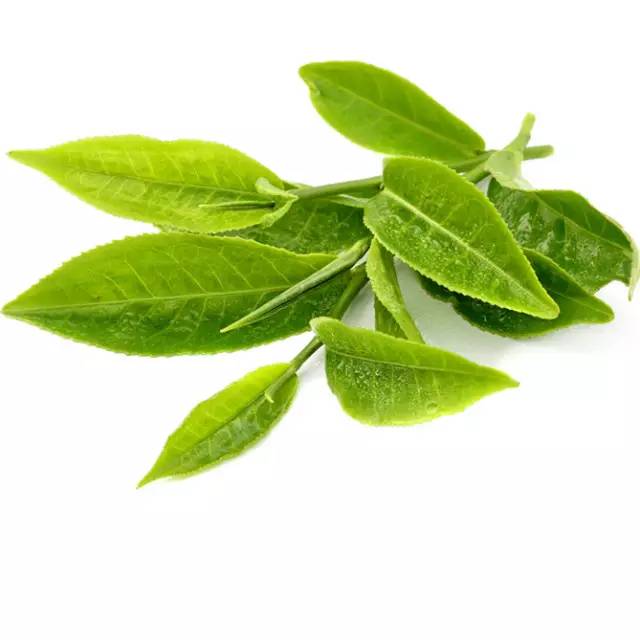
Green tea extract is extracted from green tea leaves, the active ingredient, including tea polyphenol, catechin, caffeine, aromatic oil, water, minerals, pigment, carbohydrate, protein, amino acid, vitamin, etc.
*The following content is generated by AI and is for reference only.
Green tea extract is a concentrated substance derived from the leaves of *Camellia sinensis*, renowned globally for its potent health benefits and versatile applications in the food, beverage, cosmetic, and pharmaceutical industries. While green tea contains a complex mixture of bioactive compounds, the primary active ingredient responsible for most therapeutic effects is epigallocatechin gallate (EGCG), a powerful polyphenol catechin. It is important to clarify that "green tea extract" itself is not a single chemical entity with one specific molecular formula or CAS number; rather, it is a standardized mixture. However, EGCG, its most significant component, has the molecular formula C22H18O11 and the CAS number 989-51-5. Other common constituents include caffeine, other catechins like epicatechin, and various amino acids and vitamins.
The production process typically involves extracting dried green tea leaves using water or ethanol, followed by purification to standardize the concentration of catechins. This ensures consistent potency across different batches. The primary uses of green tea extract are extensive. In the nutritional supplement sector, it is widely marketed for weight management, as studies suggest it can boost metabolism and enhance fat oxidation. It is also celebrated for its strong antioxidant properties, which help neutralize free radicals, potentially reducing oxidative stress and lowering the risk of chronic diseases such as cardiovascular conditions and certain cancers.
In the cosmetic industry, green tea extract is a popular ingredient in skincare formulations due to its anti-inflammatory and soothing capabilities. It helps protect the skin against UV damage, reduces redness, and promotes a clearer complexion. Furthermore, it serves as a natural preservative and flavor enhancer in functional beverages and food products, offering a clean-label alternative to synthetic additives. Its ability to improve cognitive function and provide a mild energy lift without the jitters associated with coffee makes it a favored choice in nootropic blends. Overall, green tea extract represents a bridge between traditional herbal wisdom and modern scientific validation, offering a safe and effective solution for promoting general wellness and aesthetic health.




 (All Rights Reserved)