Product specification : 10:1 20:1
Detection method :TLC
Extract part: Fruit
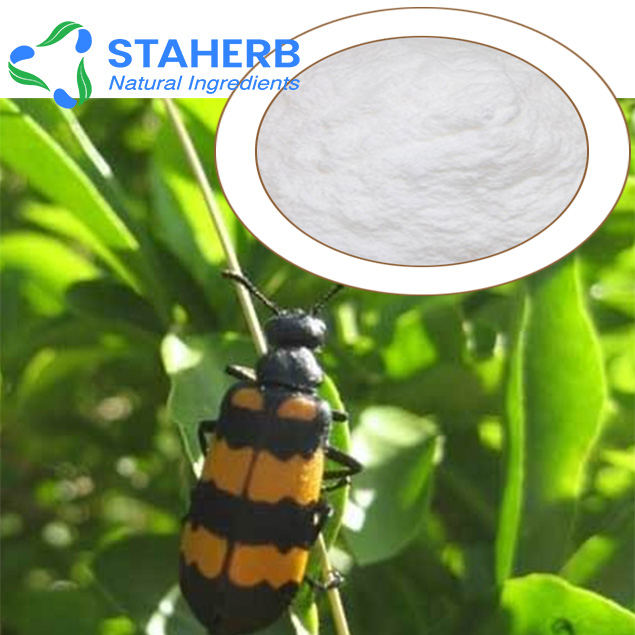
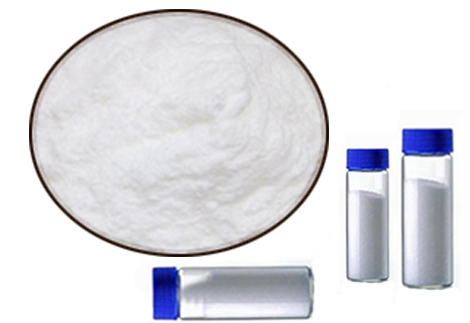
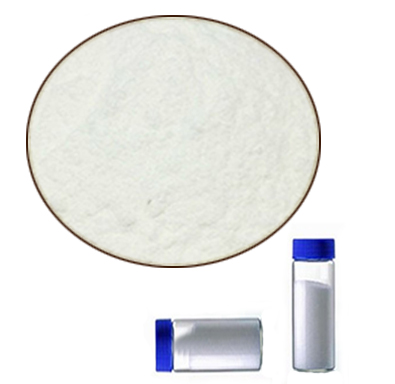
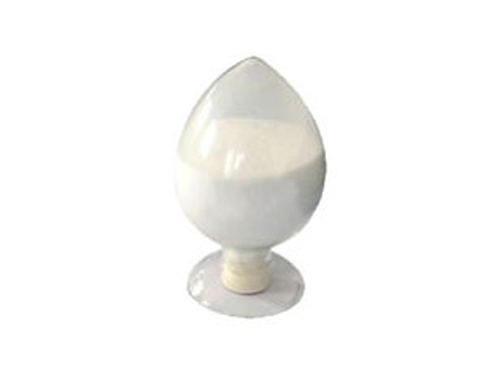
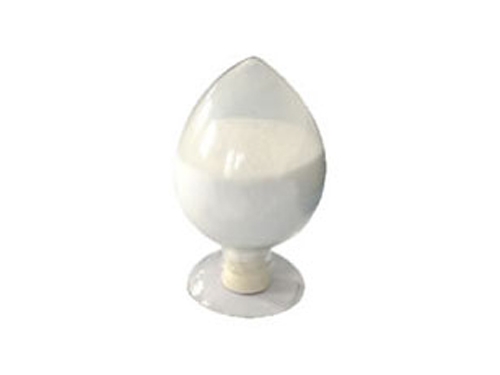
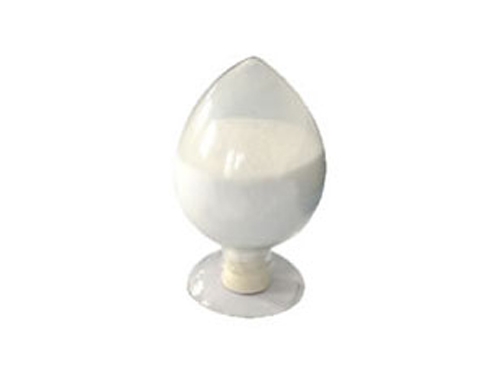
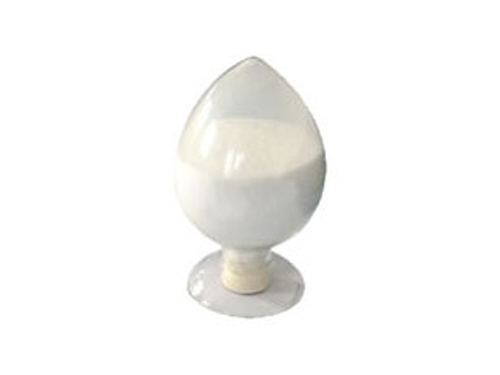
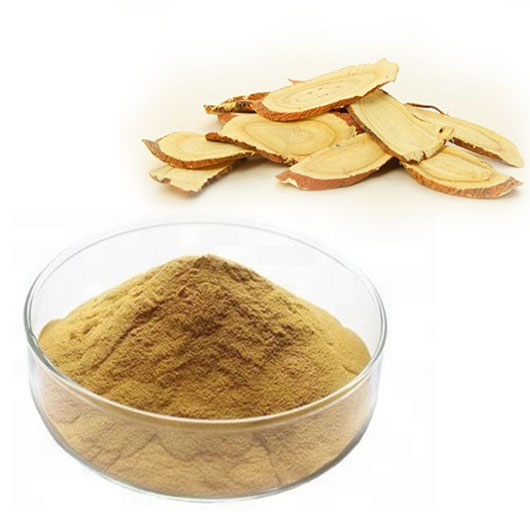
Product color: yellow Brown fine powder
fineness :80-100 mesh Drying method: spray drying
Shelf life: two years
Packaging: Zip-lock bag/aluminum foil bag/carton/cardboard barrel Manufacturer: Changsha Staherb Natural Ingredients Co., LTD.
Storage conditions: cool and dry place
*The following content is generated by AI and is for reference only.
Glycyrrhizia Polysaccharide and Angelica Polysaccharide represent two distinct bioactive natural polymers derived from traditional medicinal plants, often utilized in synergy for their potent therapeutic properties. Glycyrrhizia Polysaccharide is extracted primarily from the roots of *Glycyrrhiza glabra* (licorice), while Angelica Polysaccharide originates from *Angelica sinensis* (dong quai). Due to their complex branched structures composed of various monosaccharides like arabinose, galactose, and glucuronic acid, these compounds do not possess a single unified molecular formula or a standard CAS number applicable to both as a combined entity. Instead, they are characterized by specific structural profiles that vary based on extraction methods and plant sources.
These polysaccharides are widely recognized for their immunomodulatory, anti-inflammatory, and antioxidant activities. Glycyrrhizia Polysaccharide is renowned for its ability to inhibit viral replication and protect hepatic cells, making it valuable in formulations targeting liver health and respiratory conditions. Conversely, Angelica Polysaccharide is celebrated for promoting blood circulation, enhancing hematopoiesis, and alleviating menstrual discomfort. When combined, these agents offer a comprehensive approach to boosting immune defense and reducing systemic inflammation, which is particularly beneficial in managing chronic diseases and supporting recovery during illness.
In the pharmaceutical and cosmetic industries, these ingredients serve as functional excipients and active components. They are incorporated into dietary supplements to enhance vitality, used in topical creams for skin regeneration due to their moisturizing and healing capabilities, and formulated into injectables for clinical support in oncology and autoimmune disorders. Their biocompatibility and low toxicity profile make them ideal candidates for long-term therapeutic regimens. As research advances, the precise mechanisms governing their interaction with immune receptors continue to be elucidated, further validating their role in modern integrative medicine. While standardized commercial blends exist, individual purity and molecular weight distributions must be verified through rigorous quality control to ensure efficacy and safety across diverse applications.





 (All Rights Reserved)