Product Description
熔点:204°C(dec.)(lit.)储存条件:Inertatmosphere,RoomTemperature溶解度:H2O:0.1g/mL,clear形态:CrystallinePowder颜色:Whitetobeige酸度系数(pKa):8.20(at20℃)水溶解性:SolubleinwateChemicalbookr(1100g/L).敏感性:Hygroscopic最大波长(λmax):λ:260nmAmax:0.1BRN:3554199稳定性:HygroscopicInChIKey:WKNMKGVLOWGGOU-UHFFFAOYSA-NCAS数据库:1668-10-6(CASDataBaseReference)
AI Product Description
*The following content is generated by AI and is for reference only.
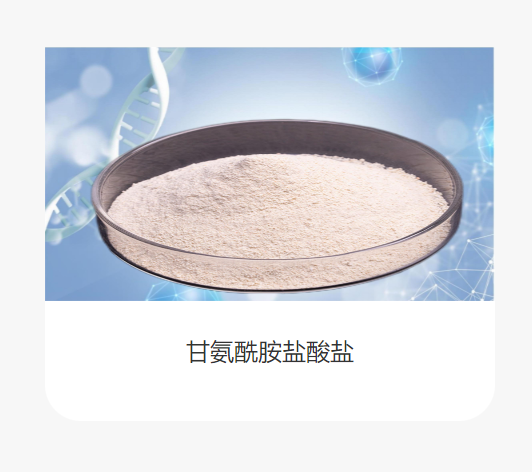
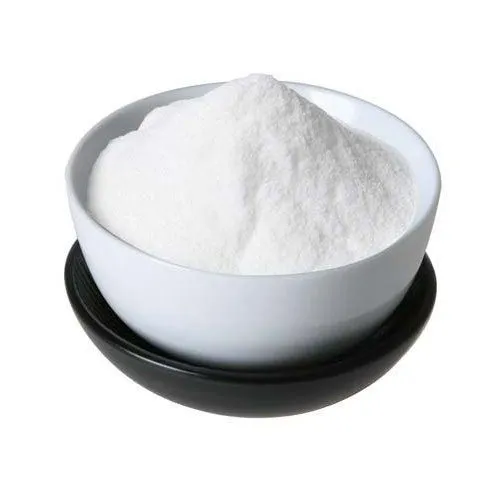
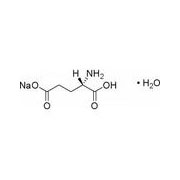
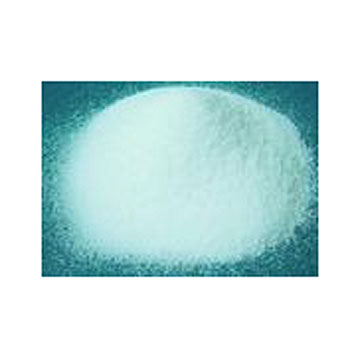
Glycinamide hydrochloride is a vital chemical intermediate widely utilized in pharmaceutical synthesis, peptide chemistry, and industrial applications. With the molecular formula C2H7ClN2O and a CAS Registry Number of 1068-54-2, this compound serves as a stable, crystalline solid that acts as a key building block for creating complex nitrogen-containing structures. Structurally, it consists of a glycine molecule where the carboxyl group has been converted into an amide and subsequently protonated with hydrochloric acid to form the hydrochloride salt. This modification significantly enhances its solubility in water and organic solvents compared to its free base form, facilitating easier handling and integration into various reaction environments.
In the realm of medicinal chemistry, Glycinamide hydrochloride is predominantly employed as a precursor for synthesizing bioactive peptides and amino acid derivatives. It plays a crucial role in solid-phase peptide synthesis (SPPS) and solution-phase coupling reactions, helping researchers construct specific sequences required for drug development. Its ability to provide a protected amine functionality makes it indispensable for protecting groups strategies, ensuring high yield and purity in multi-step syntheses. Furthermore, the compound finds applications in the production of agrochemicals and specialized polymers, contributing to the development of new materials with tailored properties.
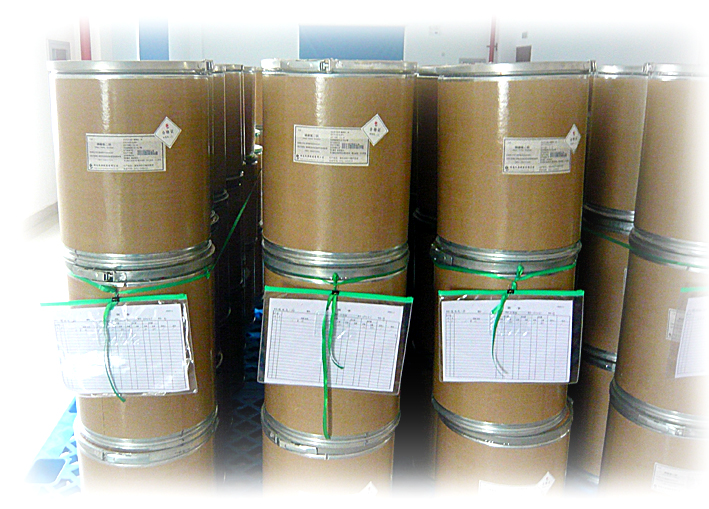
Safety protocols are essential when handling this substance, as it is corrosive due to its acidic nature. Proper personal protective equipment, including gloves and eye protection, must be worn to prevent skin or eye irritation. Storage should be conducted in a cool, dry, and well-ventilated area away from incompatible bases and oxidizing agents. While not typically classified as a hazardous air pollutant, adequate ventilation is recommended during weighing or transfer processes to avoid inhalation of dust particles. As demand grows for efficient synthetic routes in both academic research and commercial manufacturing, Glycinamide hydrochloride remains a cornerstone reagent, bridging the gap between simple amino acids and sophisticated therapeutic agents. Its reliability, coupled with cost-effectiveness, ensures its continued prominence in the global chemical supply chain.









 (All Rights Reserved)