Product Description
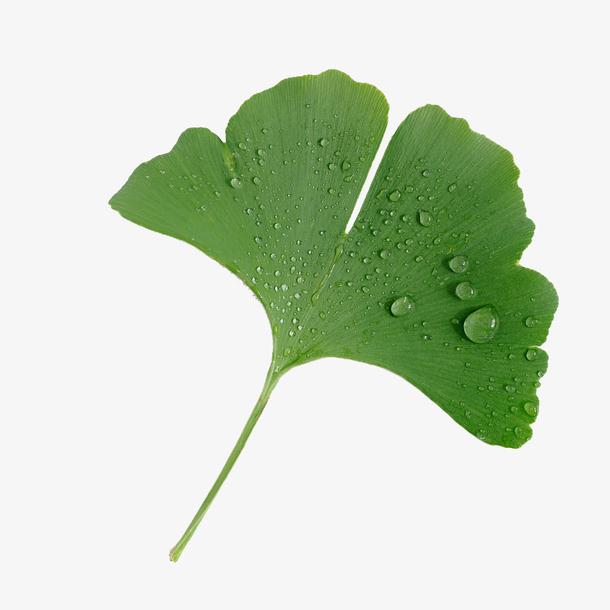
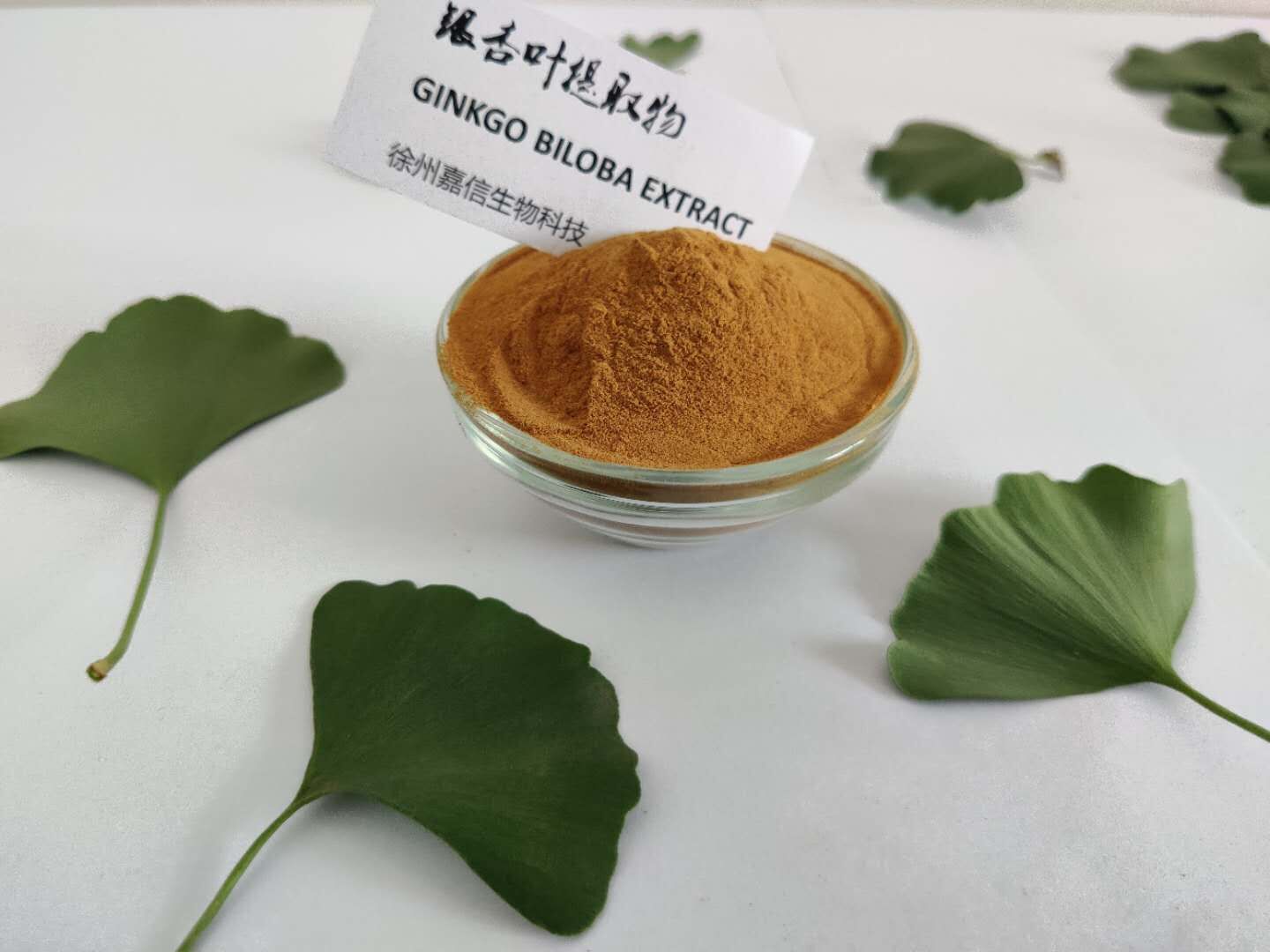
[Common Name]—Gingko Biloba Extract USP43
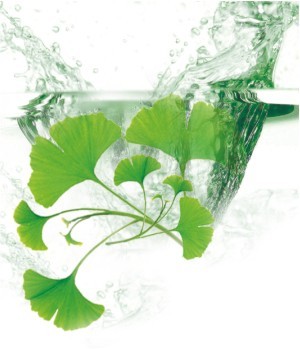
[Botanic Name] Ginkgo biloba L.
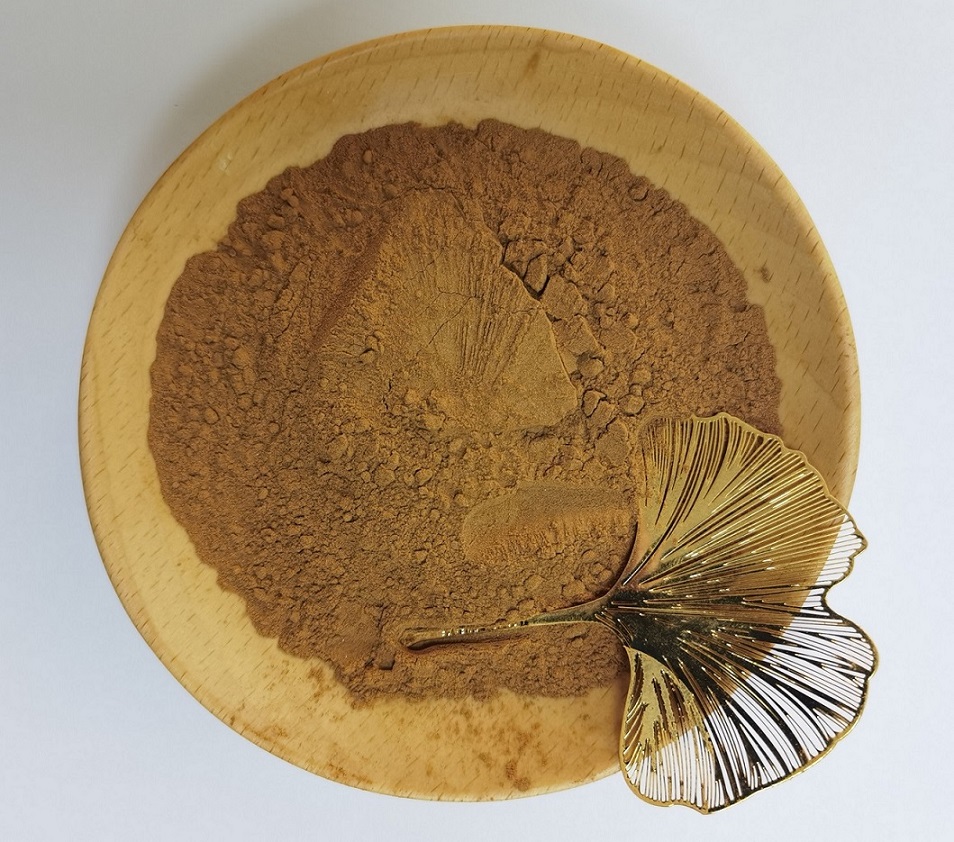
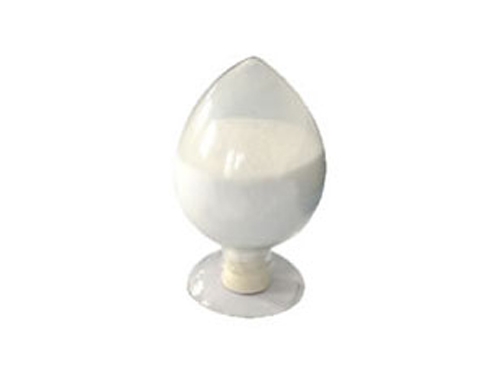
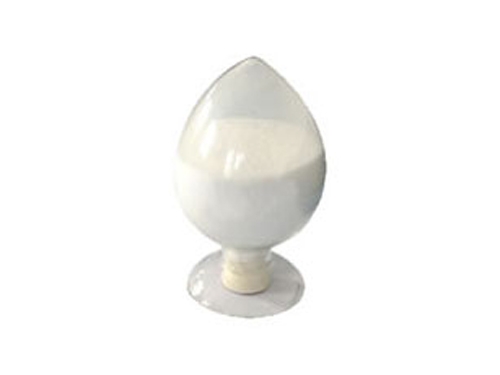
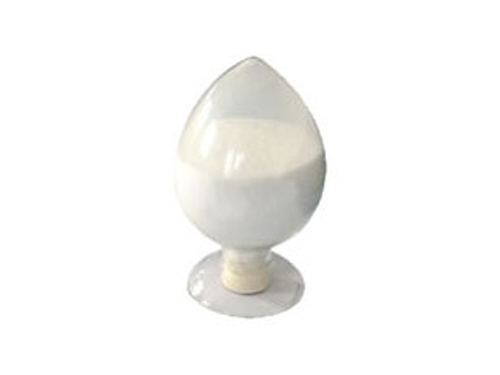
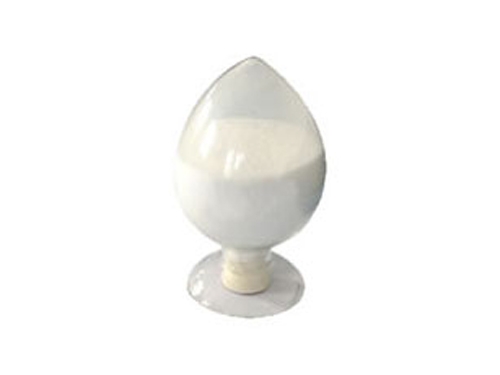
[Appearance] Light Yellow Fine Powder
[Specification]
Flavones:22%-27% Lactones: 5.4%-12.0% Quercetin/kaempferol: 0.8-1.2 LactonesA+B+C:2.8%-6.2% Bilobalide:2.6%-5.8% Ginkgolic acid ≤5ppm Rutin≤4 .0% Free Quercetin≤0 .5%
AI Product Description
*The following content is generated by AI and is for reference only.
Ginkgo Biloba Extract USP43 refers to a standardized pharmaceutical grade extract derived from the leaves of *Ginkgo biloba*, strictly adhering to the rigorous quality standards set forth in the United States Pharmacopeia 43rd Edition. This extract is renowned for its high purity and consistent composition, making it a critical ingredient in various dietary supplements and herbal medicine formulations globally. The primary active constituents include flavonoid glycosides, which account for approximately 24% of the total weight, and terpene lactones, specifically ginkgolides A, B, C, and J, as well as bilobalide, comprising about 6% of the extract.
Unlike raw plant material, this standardized extract ensures batch-to-batch consistency, eliminating the variability often associated with unprocessed botanicals. It contains less than 5 parts per million of ginkgolic acids, potent allergens that are removed during the purification process to enhance safety profiles. While Ginkgo biloba does not have a single molecular formula due to its complex mixture of bioactive compounds, the extract as a whole is characterized by these specific ratios of flavonoids and terpenes. Its CAS registry numbers vary depending on the specific constituent; however, the standardized extract itself is generally recognized under regulatory frameworks for its therapeutic potential.
The primary applications of Ginkgo Biloba Extract USP43 focus on supporting cognitive function, memory retention, and mental clarity, particularly in aging populations. Clinical studies suggest benefits related to cerebral blood flow improvement, acting as a vasodilator that enhances oxygen delivery to the brain. Furthermore, its potent antioxidant properties help protect cells from oxidative stress and free radical damage. In the pharmaceutical industry, it serves as a key excipient or active ingredient in nootropic supplements designed to support attention span and processing speed. Additionally, research indicates potential utility in managing symptoms of peripheral vascular disease by improving microcirculation in extremities. Due to its strict adherence to USP43 monographs, manufacturers rely on this specification to guarantee product efficacy, safety, and regulatory compliance across international markets, ensuring consumers receive a reliable and scientifically validated botanical product.




 (All Rights Reserved)