Product Description
Gentamicin B Pharmaceutical Aminoglycoside antibiotics made in china 36889-15-3
AI Product Description
*The following content is generated by AI and is for reference only.
Gentamicin B is a critical semi-synthetic aminoglycoside antibiotic component derived from the fermentation of *Micromonospora purpurea*, widely produced in China for global pharmaceutical markets. Chemically, it represents one of the major sub-components of the Gentamicin complex, alongside C1a, C1, and C2. Its molecular formula is typically cited as C21H43N5O7, with a specific CAS number of 1405-41-0, though commercial preparations often contain mixtures where Gentamicin B constitutes a significant portion. This potent bactericidal agent functions by irreversibly binding to the 30S ribosomal subunit of bacteria, thereby inhibiting protein synthesis and disrupting cell membrane integrity.
Primarily utilized in treating severe infections caused by Gram-negative aerobic organisms, including *Pseudomonas aeruginosa*, *Escherichia coli*, *Klebsiella*, and *Proteus* species, Gentamicin B is indispensable in clinical settings for sepsis, pneumonia, urinary tract infections, and complicated intra-abdominal infections. It is frequently administered intravenously or intramuscularly, and its efficacy is often enhanced through combination therapy with beta-lactam antibiotics. While manufactured extensively in China due to advanced fermentation capabilities and cost-effective production scales, strict quality control measures ensure compliance with international pharmacopoeial standards regarding purity and potency.
Despite its therapeutic value, Gentamicin B carries risks of nephrotoxicity and ototoxicity, necessitating careful monitoring of serum drug levels and renal function during treatment. The Chinese pharmaceutical industry continues to play a pivotal role in supplying this essential medication to meet worldwide demand for effective antimicrobial solutions against multidrug-resistant pathogens. As resistance patterns evolve, ongoing research focuses on optimizing formulation stability and minimizing adverse effects while maintaining high antibacterial activity. Consequently, Gentamicin B remains a cornerstone in modern antibiotic regimens, bridging the gap between traditional fermentation processes and contemporary medical needs.

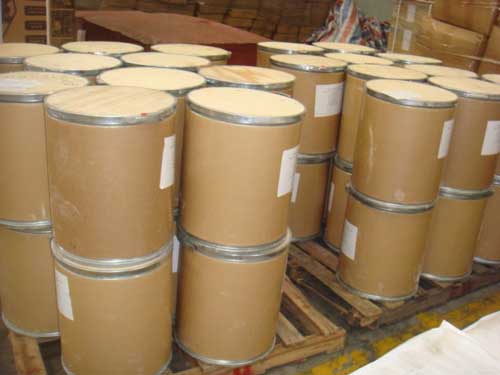




 (All Rights Reserved)



![(3R)-3-Amino-1-[3-(Trifluoromethyl)-5,6,7,8-Tetrahydro-1,2,4-Triazolo[4,3-A]Pyrazin-7-yl]-4-(2,4,5-T](https://eimg.pharmasources.com/image/product/20250402/e43f5153f3b91f760fdee40247460568jpg)

![3-(Trifluoromethyl)-5,6,7,8-Tetrahydro-[1,2,4]Triazolo[4,3-a]Pyrazine HCL](https://eimg.pharmasources.com/image/product/20250402/8ae4dd18f1fe219e41ad63ce9b3306d7jpg)


![4-[[[[6-[(Diethylamino)methyl]-2-naphthalenylmethoxy]carbonyllaminolbenzoic acid](https://eimg.pharmasources.com/image/20241206/xJCFsdgfMrHzqjtgeOixhGQHgVbKi7kAcoEqemzE.jpg)
