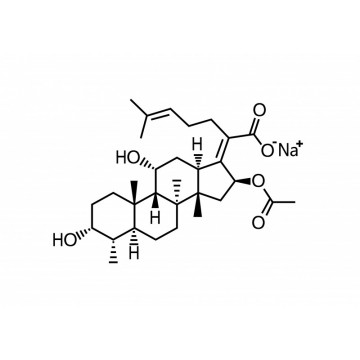
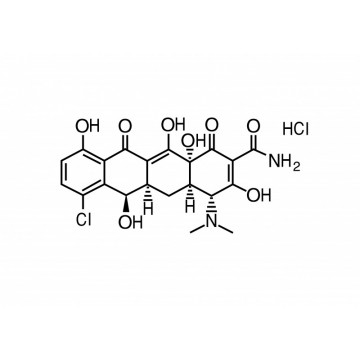
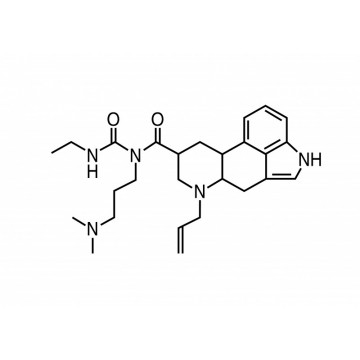
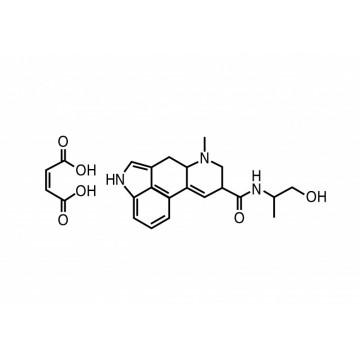
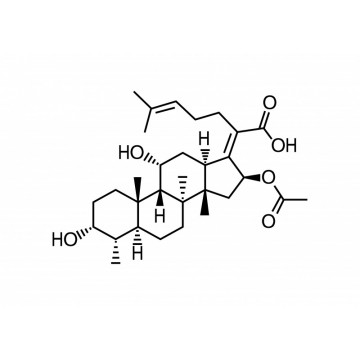
API: Fusidic Acid
Molecular Formula: C31H48O6
Molecular Weight: 516.72
CAS: 6990-06-3
Pharmacopoeia Monograph: EP
An antibiotic isolated from the fermentation broth of Fusidium coccineum. (From Merck Index, 11th ed) It acts by inhibiting translocation during protein synthesis.
*The following content is generated by AI and is for reference only.
Fusidic acid is a potent, narrow-spectrum antibiotic belonging to the steroid family, originally isolated from the fungus *Fusidium coccineum*. Its molecular formula is C31H46O5, and it is uniquely identified by the CAS number 1408-65-9. Structurally characterized by a fused tetracyclic steroid nucleus with an attached furan ring, this compound exhibits remarkable stability against bacterial beta-lactamases, making it a valuable therapeutic agent in modern medicine.
The primary mechanism of action involves the selective inhibition of bacterial protein synthesis. Fusidic acid binds specifically to elongation factor G (EF-G) on the bacterial ribosome, preventing the translocation step required for peptide chain elongation. This effectively halts the production of essential proteins, leading to bacteriostatic or bactericidal effects depending on the concentration and organism susceptibility. It demonstrates high activity primarily against Gram-positive bacteria, with exceptional potency against methicillin-resistant *Staphylococcus aureus* (MRSA), which remains a significant global health challenge. Consequently, it is frequently utilized as a second-line treatment for serious staphylococcal infections when other antibiotics fail or are contraindicated.
Clinically, fusidic acid is administered via various routes, including topical formulations for skin conditions like impetigo and infected eczema, oral tablets for systemic infections such as osteomyelitis and endocarditis, and intravenous solutions for severe cases. Its topical application is particularly popular due to its excellent skin penetration and low risk of systemic side effects. Furthermore, the drug is often combined with rifampicin or flucloxacillin to enhance efficacy and prevent the emergence of resistance during long-term therapy. Despite its specific spectrum, fusidic acid plays a critical role in managing resistant Gram-positive infections, serving as a cornerstone in antimicrobial stewardship programs worldwide.



 (All Rights Reserved)