Product Description
please call me ,to know more
AI Product Description
*The following content is generated by AI and is for reference only.
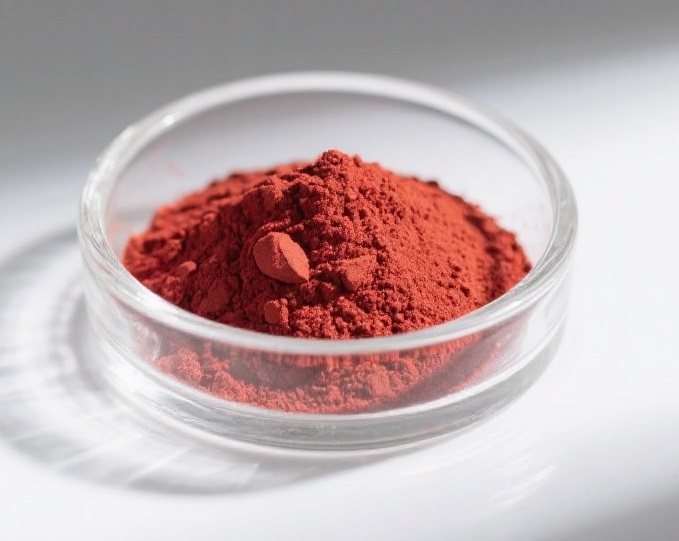
Fucoxanthin is a distinctive xanthophyll carotenoid pigment naturally abundant in brown seaweeds, such as wakame, kombu, and hijiki. Chemically, it is characterized by its unique allene structure and an epoxide group, which distinguish it from other common carotenoids like beta-carotene or lutein. Its molecular formula is C42H58O6, and it is universally recognized by the CAS registry number 473-01-2. This vibrant orange-red compound is responsible for the characteristic color of many marine algae and plays a critical role in photosynthesis within these organisms.
In the global market, Fucoxanthin has garnered significant attention for its diverse biological activities and potential therapeutic applications. It is widely studied for its potent antioxidant properties, which help neutralize free radicals and reduce oxidative stress in the body. Furthermore, extensive research highlights its efficacy in weight management and metabolic health. Studies suggest that Fucoxanthin can activate uncoupling proteins in adipose tissue, promoting fat oxidation and inhibiting lipid accumulation, making it a popular ingredient in dietary supplements for obesity prevention. Additionally, it exhibits anti-inflammatory effects and may support cardiovascular health by improving lipid profiles.
Beyond human nutrition, Fucoxanthin is utilized in the cosmetic industry for its skin-protecting capabilities against UV radiation and aging. In the food sector, it serves as a natural colorant, offering a safer alternative to synthetic dyes. The extraction process typically involves organic solvents or supercritical fluid technology to ensure high purity and bioavailability. As consumer demand shifts toward natural, plant-based solutions, Fucoxanthin stands out as a promising functional ingredient. Its versatility spans across nutraceuticals, pharmaceuticals, cosmetics, and functional foods, driving innovation in the wellness industry. With ongoing scientific advancements, the understanding of its mechanisms continues to expand, solidifying its status as a valuable bioactive compound with broad commercial potential.






 (All Rights Reserved)