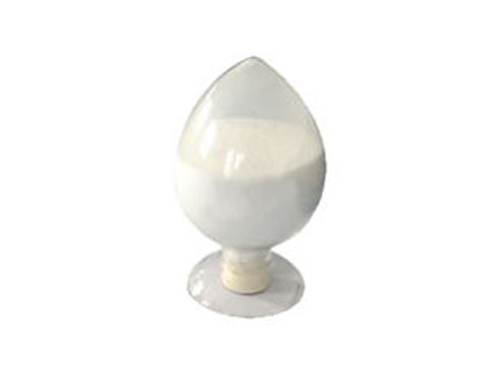
Product Description
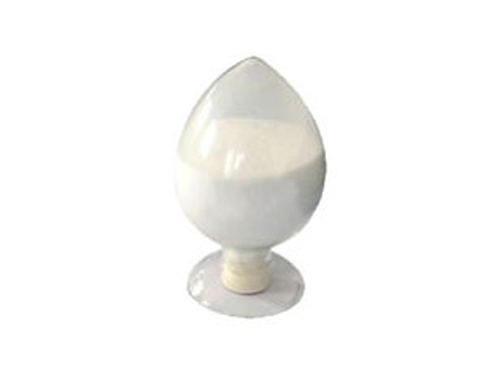
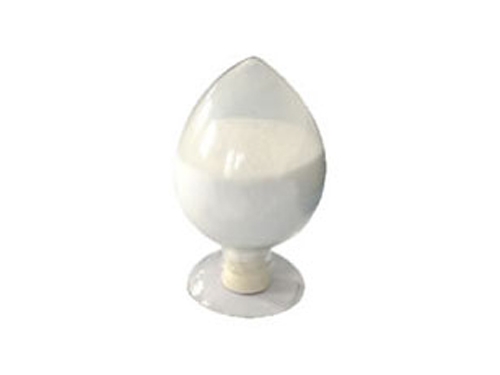
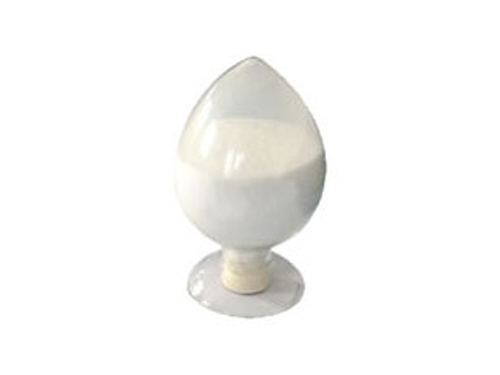
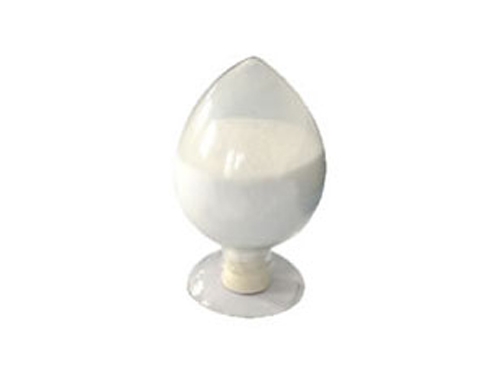
Alga of fucoidin, known as the Angle of ink, fucus chitosan sulfate, brown algae glue sugar, brown alga of sulfate and so on, mainly from the brown algae, is a kind of polysaccharide that contain fucose and sulfate groups.
It has a variety of biological functions, such as anticoagulant, antithrombotic, antivirus, antitumor and antioxidant activity and strengthen the body's immune function, etc., which is widely used in medical field and the modern food industry.
AI Product Description
*The following content is generated by AI and is for reference only.
Fucoidan is a complex sulfated polysaccharide primarily extracted from brown seaweeds such as Fucus vesiculosus, Laminaria japonica, and Undaria pinnatifida. It consists of fucose residues linked by glycosidic bonds, often accompanied by small amounts of galactose, glucose, xylose, and uronic acids, along with sulfate groups attached at various positions. Due to its structural diversity, the exact molecular formula varies depending on the source species and extraction method; however, it generally features a repeating unit containing fucose and sulfate esters. The CAS number for commercial fucoidan preparations is typically cited as 9072-18-6, though specific variations may have different identifiers based on purity and origin.
This bioactive compound has garnered significant attention in pharmaceutical and nutraceutical industries due to its broad spectrum of biological activities. Research indicates that fucoidan possesses potent anti-inflammatory, antiviral, anticoagulant, and antioxidant properties. Its ability to modulate immune responses makes it a promising candidate for cancer therapy, where studies suggest it can induce apoptosis in tumor cells and inhibit metastasis without harming healthy tissues. Furthermore, fucoidan demonstrates efficacy against various viruses, including influenza and herpes simplex, by interfering with viral entry into host cells.
In the cosmetic sector, fucoidan is valued for its skin-protective effects, promoting hydration, reducing wrinkles, and enhancing skin elasticity through collagen synthesis stimulation. In food applications, it serves as a functional ingredient for gut health improvement, acting as a prebiotic that supports beneficial intestinal flora. Additionally, its natural anticoagulant activity offers potential alternatives to synthetic blood thinners like heparin, with a lower risk of bleeding complications. Despite these benefits, standardization remains a challenge due to structural heterogeneity across sources. Ongoing research aims to clarify structure-activity relationships to optimize therapeutic outcomes. As a naturally derived substance, fucoidan aligns well with growing consumer demand for safe, plant-based health solutions, positioning it as a versatile molecule with immense potential across multiple medical and wellness fields.



 (All Rights Reserved)