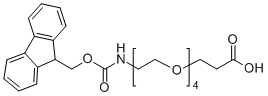
Product Description
- CAS No.:
557756-85-1
- Synonyms:
Fmoc-NH-PEG4-CH2CH2COOH
- Purity:
≥95%
- Molecular formula:
C26H33NO8
- Molecular weight:
487.5
- Uses:
Applicated in medical research, drug-release, nanotechnology and new materials research, cell culture. In the study of ligand, polypeptide synthesis support, a graft polymer compounds, new materials, and polyethylene glycol-modified functional coatings and other aspects of the active compound.
AI Product Description
*The following content is generated by AI and is for reference only.
Fmoc-NH-PEG4-COOH is a specialized polyethylene glycol (PEG) linker widely utilized in modern peptide synthesis and bioconjugation chemistry. Its molecular formula is C26H35NO10, featuring a tetrakis(ethylene glycol) spacer that connects an N-(9-fluorenylmethoxycarbonyl) protecting group to a carboxylic acid terminus. The compound carries the CAS number 247928-93-2, ensuring traceability for research and industrial applications. This reagent serves as a critical building block for solid-phase peptide synthesis (SPPS), enabling the efficient attachment of PEG chains to peptides or proteins. The Fmoc group provides robust base-labile protection, allowing selective deprotection under mild conditions without affecting other functional groups, while the terminal COOH facilitates amide bond formation with amino-containing molecules.
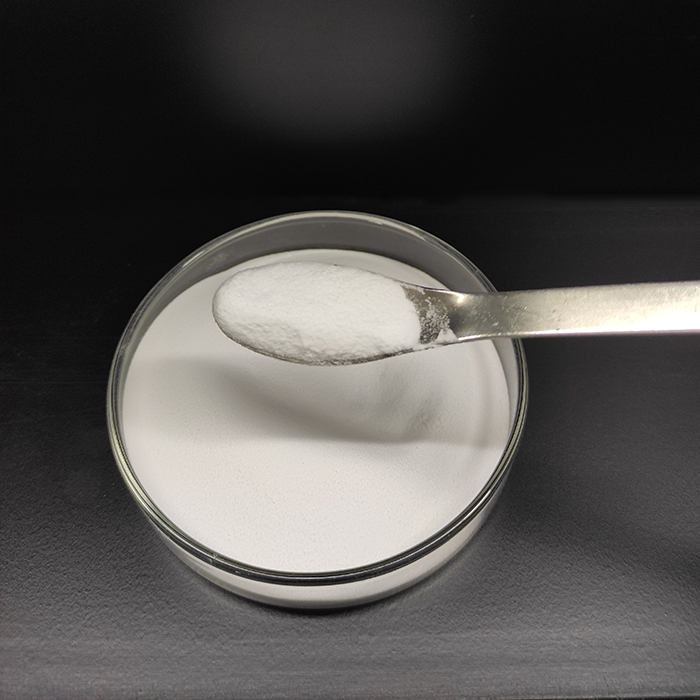
The inclusion of four ethylene oxide units imparts significant hydrophilicity and flexibility to the resulting conjugates, enhancing solubility and reducing immunogenicity in therapeutic contexts. Consequently, Fmoc-NH-PEG4-COOH is extensively employed in the development of antibody-drug conjugates (ADCs), peptide-based therapeutics, and diagnostic probes. Researchers leverage its properties to create stable, water-soluble bioconjugates with optimized pharmacokinetic profiles. The spacer arm minimizes steric hindrance, ensuring high coupling efficiency during synthesis. Furthermore, its compatibility with standard SPPS protocols makes it accessible for both academic laboratories and pharmaceutical manufacturing facilities. By integrating this PEG linker, scientists can modulate the biological half-life and biodistribution of their target molecules effectively. The product is typically supplied as a white to off-white powder, requiring storage under inert atmosphere at low temperatures to maintain stability against moisture and oxidation. As the demand for precision medicine grows, derivatives like Fmoc-NH-PEG4-COOH remain indispensable tools for constructing complex macromolecular architectures with tailored physicochemical characteristics.




 (All Rights Reserved)