Product Description
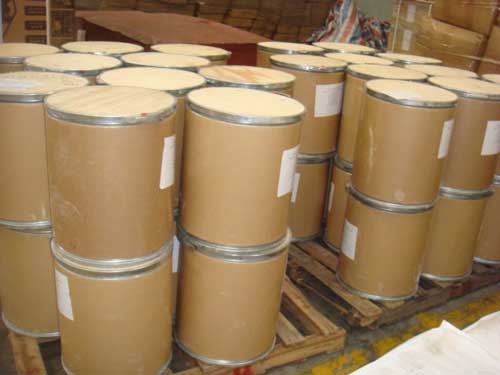
Florfenicol CP2010 GMP China VETERINARY 73231-34-2
AI Product Description
*The following content is generated by AI and is for reference only.
Florfenicol, designated under the Chinese Pharmacopoeia 2010 (CP2010) and compliant with Good Manufacturing Practice (GMP) standards for veterinary use in China, is a broad-spectrum synthetic amphenicol antibiotic. Its chemical identity is defined by the molecular formula C₁₂H₁₄Cl₂FNO₄S and the CAS registry number 73231-34-2. Structurally, it is chemically related to chloramphenicol but possesses a fluorine atom substitution that significantly reduces the risk of aplastic anemia, a severe bone marrow toxicity associated with its predecessor, making it safer for food-producing animals.
The primary application of Florfenicol lies in the treatment and control of bacterial infections in livestock, particularly poultry, swine, and cattle. It is highly effective against Gram-positive and Gram-negative bacteria, including *Pasteurella multocida*, *Actinobacillus pleuropneumoniae*, *Haemophilus influenzae*, and various strains of *Escherichia coli*. In veterinary medicine, it is frequently utilized to manage respiratory diseases such as bovine respiratory disease (BRD), porcine pleuropneumonia, and fowl cholera. The drug functions by inhibiting bacterial protein synthesis through binding to the 50S ribosomal subunit, thereby preventing peptide chain elongation and halting bacterial growth.
Under strict GMP regulations enforced by Chinese authorities, Florfenicol production ensures high purity, consistent potency, and rigorous quality control measures to safeguard animal health and minimize residue risks in food products. Withdrawal periods are strictly observed before animals enter the human food chain to prevent antibiotic residues in meat and eggs. Due to its efficacy and safety profile, Florfenicol remains a cornerstone therapeutic agent in modern veterinary practice across China and globally, essential for maintaining herd health and ensuring food security while adhering to international antimicrobial stewardship guidelines.





 (All Rights Reserved)



![(3R)-3-Amino-1-[3-(Trifluoromethyl)-5,6,7,8-Tetrahydro-1,2,4-Triazolo[4,3-A]Pyrazin-7-yl]-4-(2,4,5-T](https://eimg.pharmasources.com/image/product/20250402/e43f5153f3b91f760fdee40247460568jpg)

![3-(Trifluoromethyl)-5,6,7,8-Tetrahydro-[1,2,4]Triazolo[4,3-a]Pyrazine HCL](https://eimg.pharmasources.com/image/product/20250402/8ae4dd18f1fe219e41ad63ce9b3306d7jpg)


![4-[[[[6-[(Diethylamino)methyl]-2-naphthalenylmethoxy]carbonyllaminolbenzoic acid](https://eimg.pharmasources.com/image/20241206/xJCFsdgfMrHzqjtgeOixhGQHgVbKi7kAcoEqemzE.jpg)
