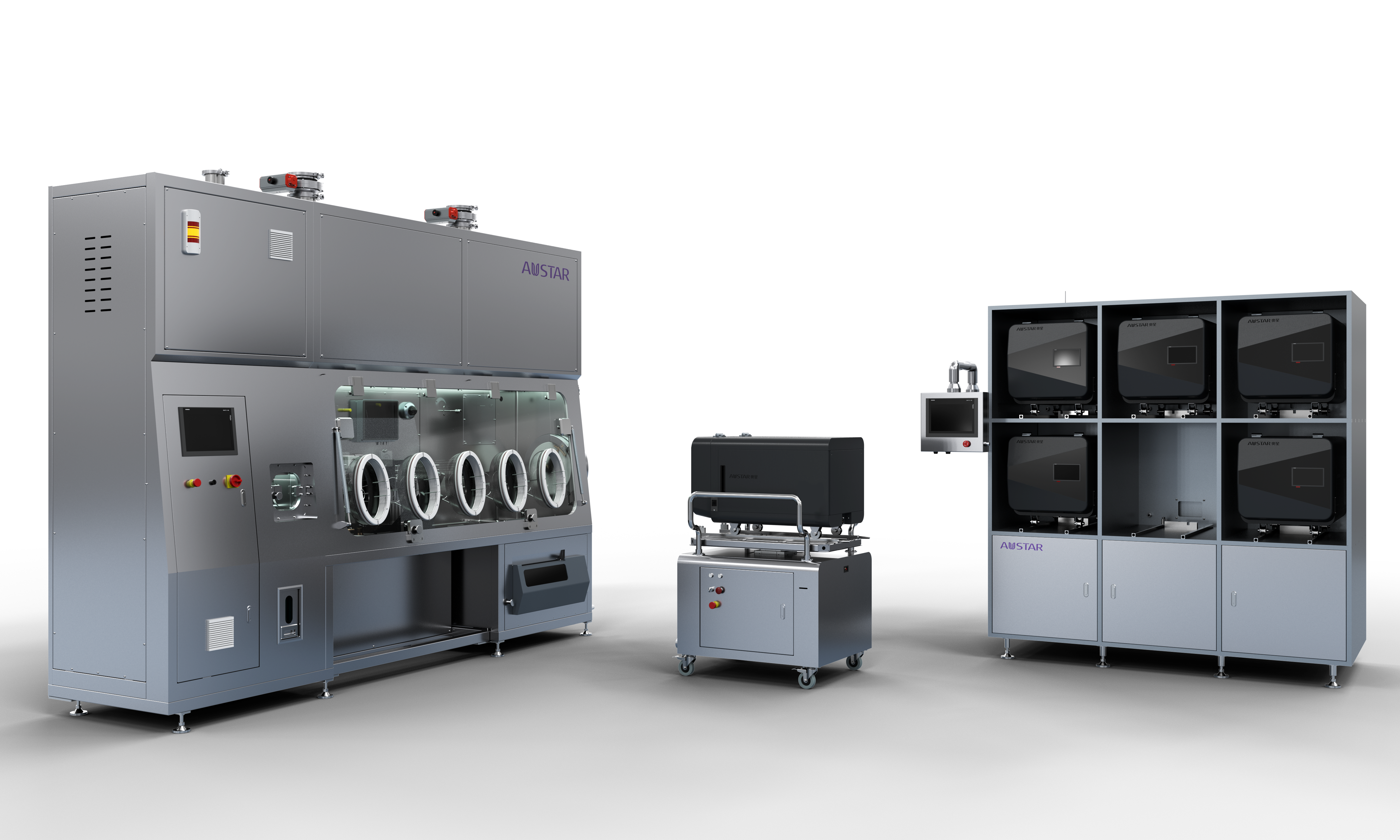
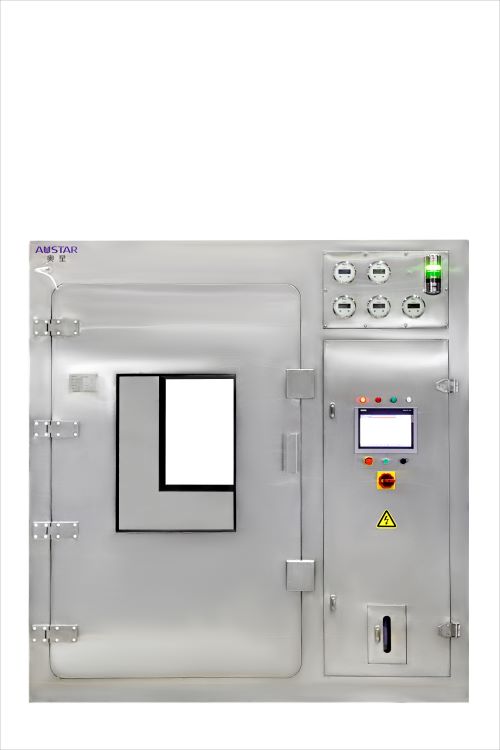
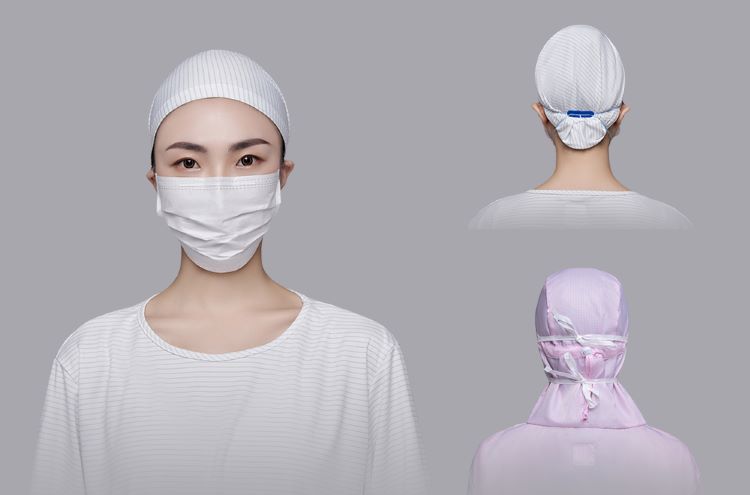
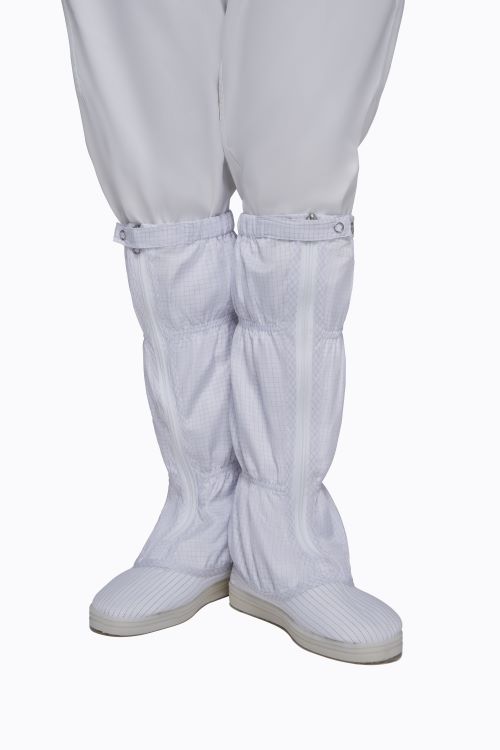
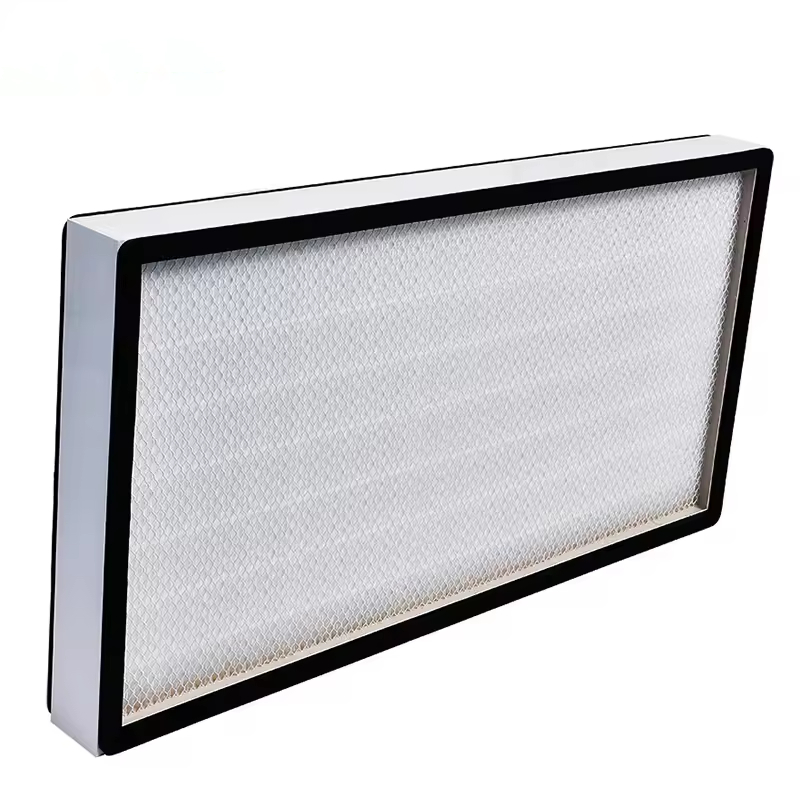
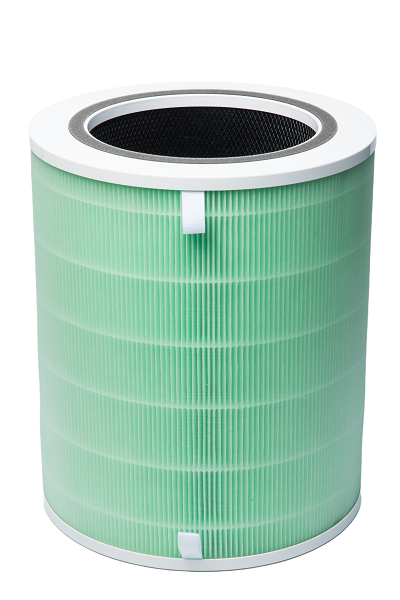
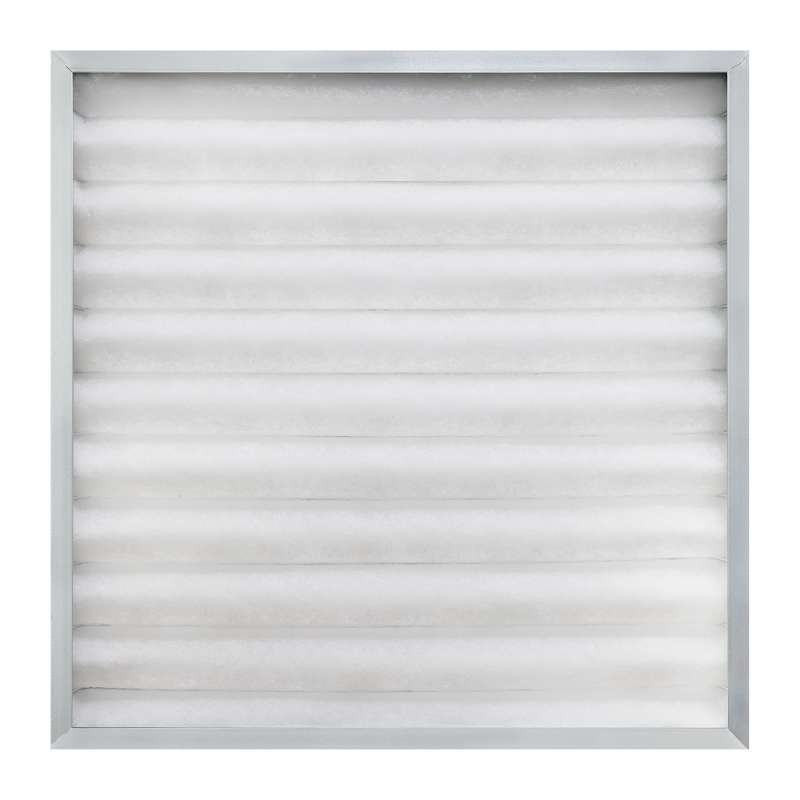
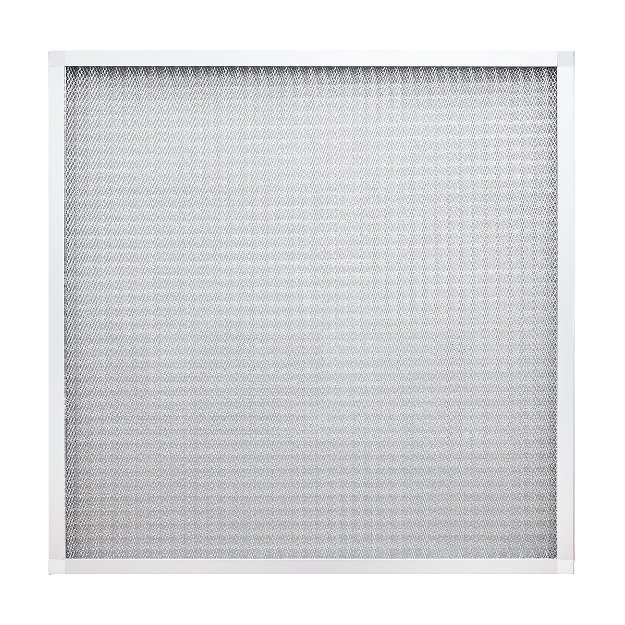
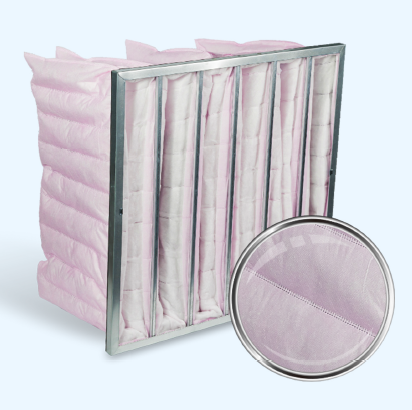
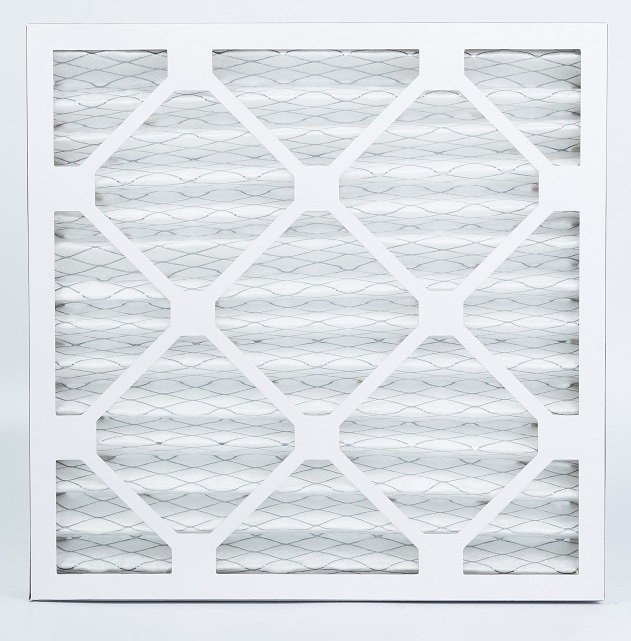
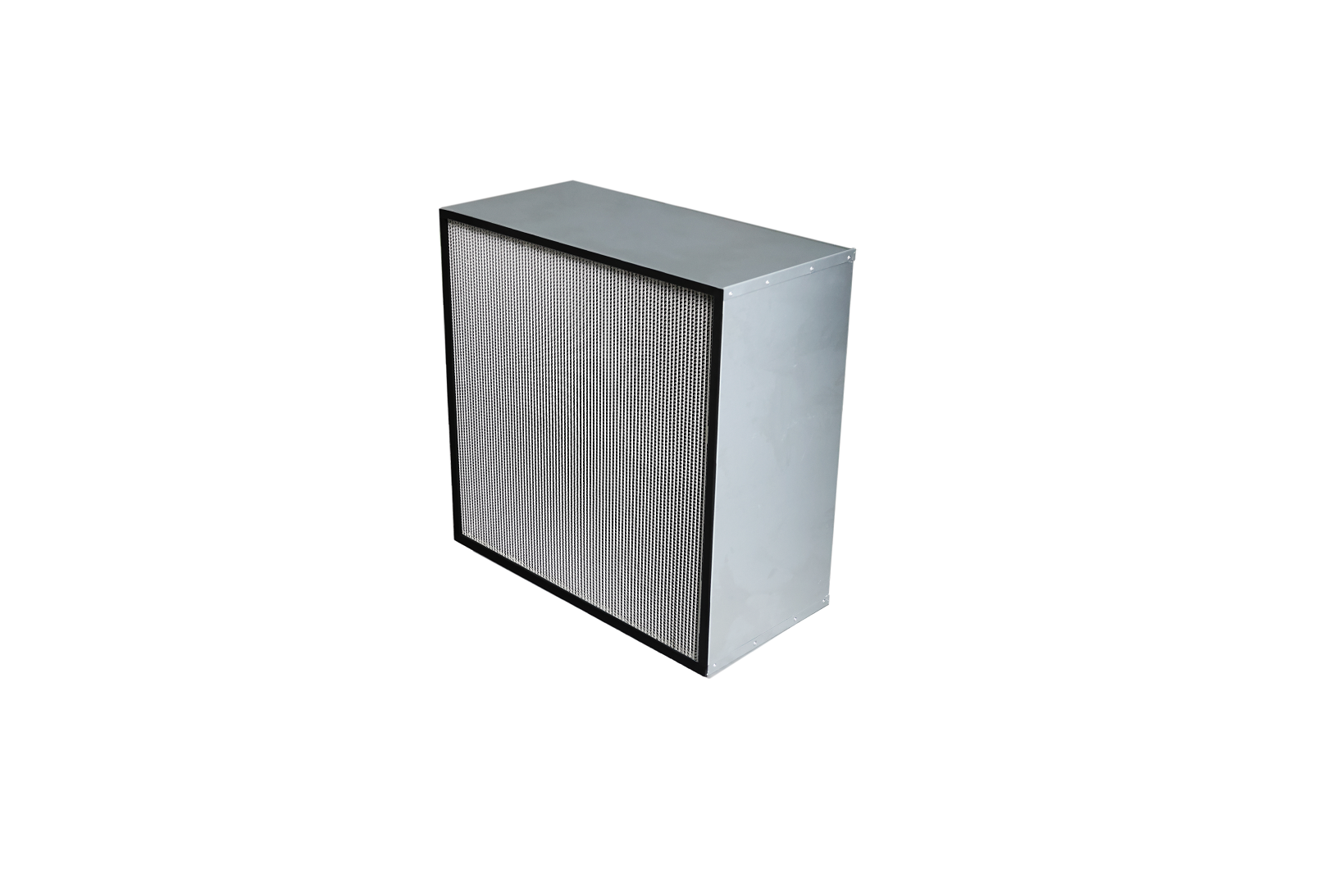
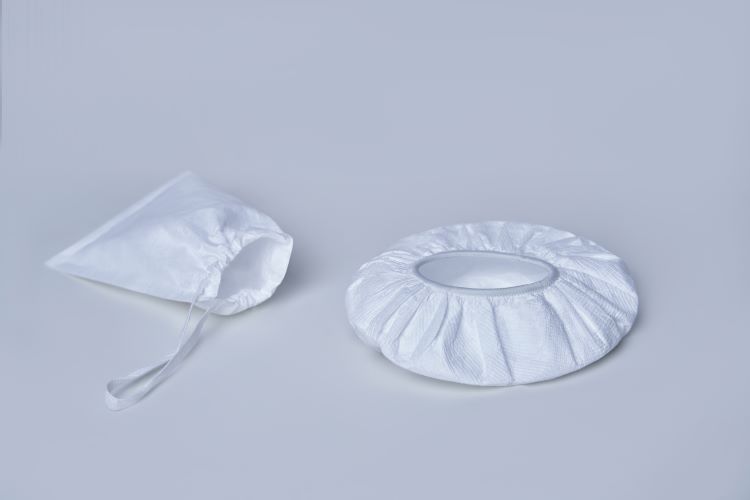
Product Description
The pyrogen and particulate contaminate is controlled to optimum levels with ISO5 production environment ;
Excellent water vapor and gas permeability;
Excellent microbial barrier performance;
Excellent regulatory compliance to effectively reduce contamination risk.
AI Product Description
*The following content is generated by AI and is for reference only.
The product in question is a high-efficiency particulate air (HEPA) respirator designed to protect users from inhaling hazardous airborne particles, including dust, mist, fumes, and biological agents. Widely utilized in industrial manufacturing, construction sites, healthcare facilities, and laboratory environments, this device serves as a critical barrier against respiratory hazards. Its primary function involves filtering at least 99.97% of particles down to 0.3 microns, ensuring clean air intake for the wearer during tasks involving silica, asbestos, lead dust, or infectious aerosols. The unit typically features an elastomeric facepiece that forms a secure seal around the nose and mouth, coupled with replaceable filter cartridges optimized for specific contaminant types.
Proper usage requires strict adherence to safety protocols to ensure maximum efficacy. Before each use, users must perform a fit check to verify the mask seals correctly without gaps, as even minor leaks can compromise protection levels. It is essential to inspect the device for signs of wear, such as cracked head straps, damaged valves, or soiled filters, replacing components immediately if defects are found. Users should never attempt to wash or clean the facepiece with solvents, which may degrade the rubber material. Additionally, the respirator is not suitable for oxygen-deficient atmospheres or environments containing gases and vapors unless equipped with appropriate chemical cartridges.
Regular maintenance includes storing the device in a clean, dry location away from direct sunlight and extreme temperatures to prevent material degradation. Training is mandatory for all personnel; they must understand how to don, doff, and discard the equipment safely while recognizing early symptoms of respiratory distress. In healthcare settings, these devices are often paired with eye protection to prevent mucous membrane exposure. Compliance with occupational health regulations, such as those set by OSHA or NIOSH, is non-negotiable. Ultimately, while this respiratory protection offers robust defense against particulates, it relies entirely on correct selection, consistent wear, and disciplined maintenance to safeguard user health effectively. Neglecting these procedures can lead to severe health consequences, making vigilance paramount in any hazardous environment.





 (All Rights Reserved)