Name:Flavin adenine dinucleotide disodium salt
Aliases:FAD-Na2
CAS No.84366-81-4
Molecular formul:C27H34N9NaO15P2
Molecular weight:809.55
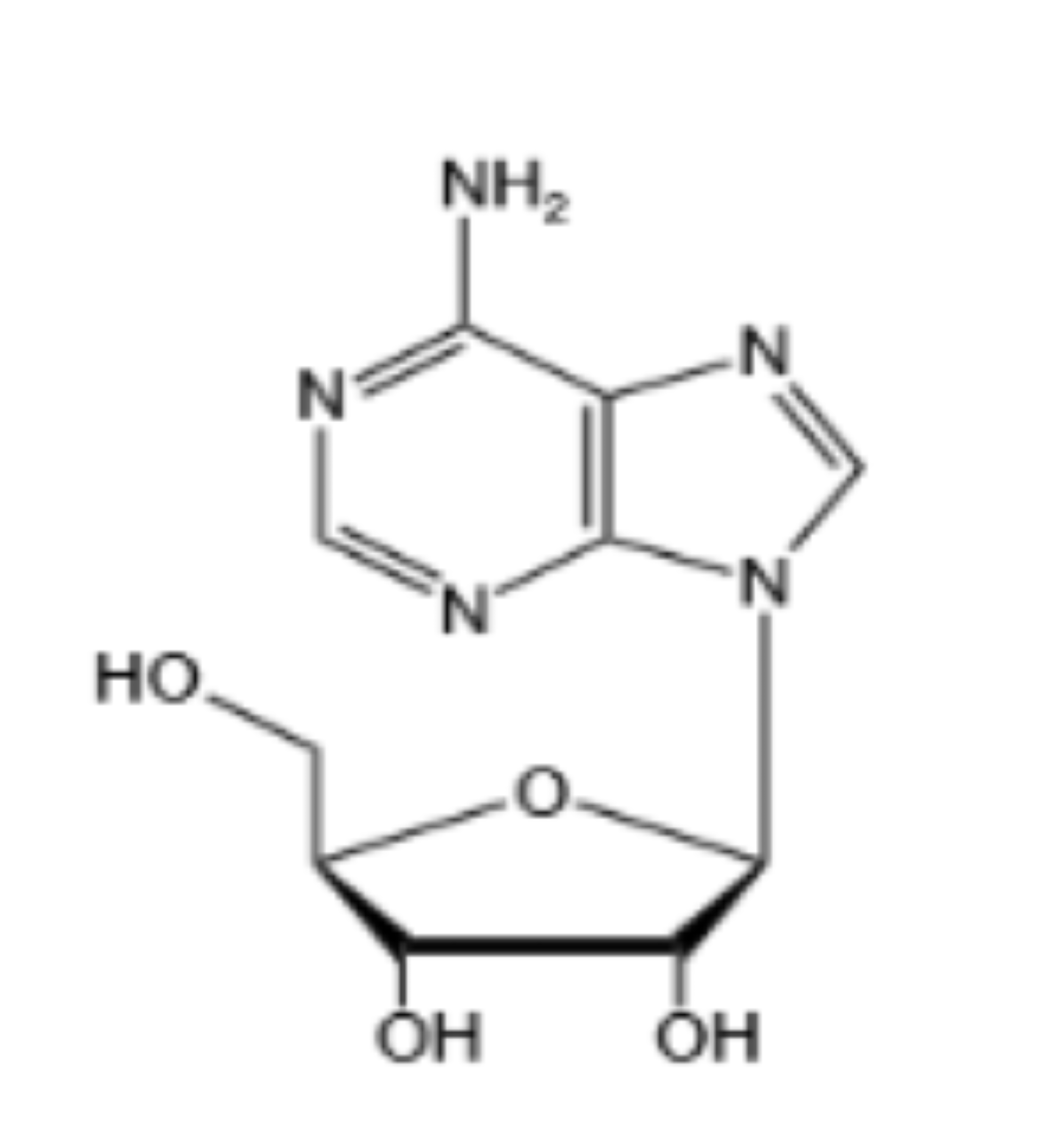
structural formula:

Physical properties:
This product is yellow to orange brown powder.
Purity HPLC:≥98.0%.
Storage:Sealed, dry, store at -20℃.
*The following content is generated by AI and is for reference only.
Flavin adenine dinucleotide disodium salt, commonly identified by the CAS number 84366-81-4 and designated as FAD-Na2, is a vital water-soluble coenzyme derived from riboflavin (Vitamin B2). Chemically, it serves as a crucial prosthetic group for flavoproteins, facilitating essential redox reactions within cellular metabolism. Its molecular formula is C27H33N9O15P2Na2, reflecting its complex structure composed of an adenosine moiety linked to a flavin ring system via a pyrophosphate bridge, stabilized in its disodium salt form to enhance solubility and stability for laboratory applications.
This compound plays a fundamental role in biological energy transfer processes, acting as an electron carrier in the mitochondrial respiratory chain and various metabolic pathways such as fatty acid oxidation and the citric acid cycle. In biochemical research, FAD-Na2 is indispensable for studying enzyme kinetics, particularly those involving oxidoreductases like succinate dehydrogenase and acyl-CoA dehydrogenase. It is frequently utilized in vitro assays to measure enzymatic activity, investigate oxidative stress mechanisms, and analyze metabolic disorders. Furthermore, its unique fluorescence properties make it valuable in spectroscopic studies to monitor conformational changes in proteins during catalytic cycles.
In industrial and pharmaceutical contexts, high-purity FAD-Na2 is used as a standard reference material for quality control in vitamin supplements and food fortification products. It supports the development of diagnostic kits for detecting specific enzyme deficiencies associated with genetic conditions. Researchers also employ this reagent in cell culture media to supplement nutritional requirements and maintain cellular viability under oxidative conditions. The disodium salt formulation ensures optimal performance in aqueous buffers, making it suitable for a wide range of experimental setups from basic biochemistry to advanced molecular biology. As a key component in the study of life sciences, Flavin adenine dinucleotide disodium salt remains an essential tool for advancing our understanding of cellular respiration, metabolic regulation, and redox signaling pathways across diverse biological systems.






 (All Rights Reserved)






![8-Oxa-1,3-diazaspiro[4.5]decane-2,4-dione](https://eimg.pharmasources.com/image/product/20250403/60fa7223d5a34f24138486ceea0ffb15jpg)
![6,8-Dioxo-5,7-diazaspiro[3.4]octane-2-carboxylic acid](https://eimg.pharmasources.com/image/product/20250403/02effeb5a7639bc84ff1f3add3c0c64fjpg)
![8,16-Diazadispiro[6.1.6.2]heptadecan-17-one](https://eimg.pharmasources.com/image/product/20250403/ca91cba8b87e53fc879f8d8764873a40jpg)