Product Description
Appearance:White or off white crystal or powder
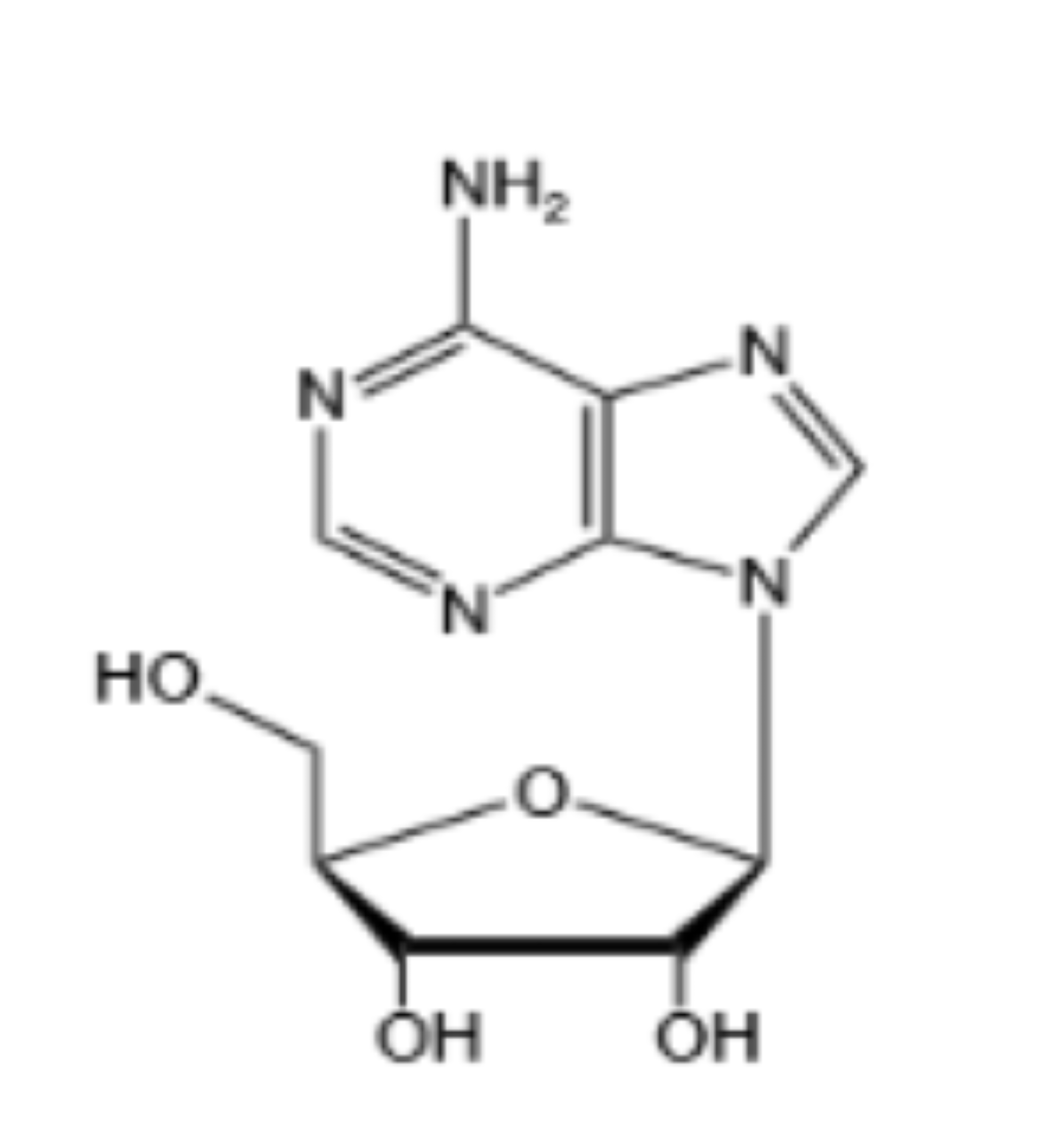
English name:Adenosine
English aliases:AR;Adenosine free base
CAS No.58-61-7
Molecular formula:C10H13N5O4
Molecular weight:267.25
Physical properties:
This product is a white to off-white crystal or crystalline powder.
Purity HPLC:≥98.0%
storage:Preserve in tight, light-resistant containers.
AI Product Description
*The following content is generated by AI and is for reference only.
Adenosine, chemically known as N6-9-beta-D-ribofuranosyladenine and often abbreviated as AR in specific pharmaceutical contexts, is a pivotal endogenous nucleoside with profound physiological significance. With the molecular formula C10H13N5O4 and a CAS Registry Number of 58-61-7, this compound serves as a fundamental building block for adenosine triphosphate (ATP), the primary energy carrier in all living organisms. Beyond its metabolic role, Adenosine functions as a critical signaling molecule in the central nervous system and cardiovascular physiology.
In clinical medicine, Adenosine is widely utilized for its rapid onset and short half-life, making it the drug of choice for terminating supraventricular tachycardia (SVT). By activating A1 receptors in the atrioventricular node, it transiently blocks conduction, effectively restoring normal sinus rhythm within seconds. This therapeutic application highlights its unique pharmacological profile where efficacy is balanced by an extremely brief duration of action, minimizing systemic side effects. Furthermore, research continues to explore its potential in neuroprotection, ischemia-reperfusion injury management, and as a modulator of inflammatory responses due to its ability to activate adenosine receptors across various tissues.
As a reagent in biochemical laboratories, Adenosine is indispensable for synthesizing nucleic acids, studying enzyme kinetics, and investigating cellular signaling pathways. Its purity and stability are crucial for both diagnostic assays and advanced drug discovery programs. The compound exists naturally in high concentrations within cells but is also synthesized commercially for pharmaceutical grade applications. While generally safe under controlled medical supervision, improper administration can lead to transient adverse effects such as flushing, dyspnea, or chest discomfort, which typically resolve quickly due to rapid metabolism by adenosine deaminase. Overall, Adenosine remains a cornerstone molecule bridging basic biochemistry and critical clinical interventions, essential for understanding human physiology and treating life-threatening arrhythmias.





 (All Rights Reserved)







![6,8-Dioxo-5,7-diazaspiro[3.4]octane-2-carboxylic acid](https://eimg.pharmasources.com/image/product/20250403/02effeb5a7639bc84ff1f3add3c0c64fjpg)
![8,16-Diazadispiro[6.1.6.2]heptadecan-17-one](https://eimg.pharmasources.com/image/product/20250403/ca91cba8b87e53fc879f8d8764873a40jpg)
![8-Oxa-1,3-diazaspiro[4.5]decane-2,4-dione](https://eimg.pharmasources.com/image/product/20250403/60fa7223d5a34f24138486ceea0ffb15jpg)
