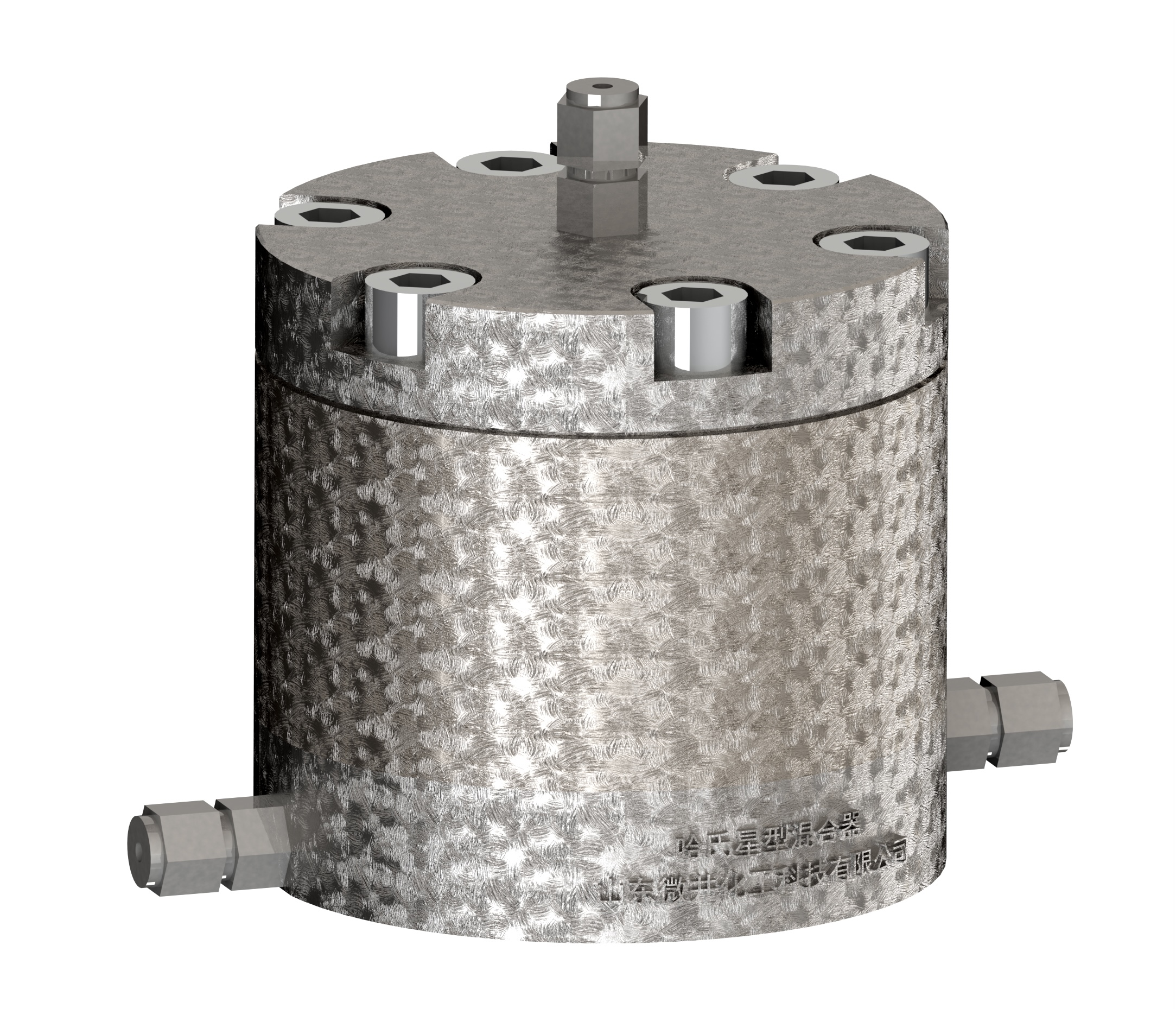
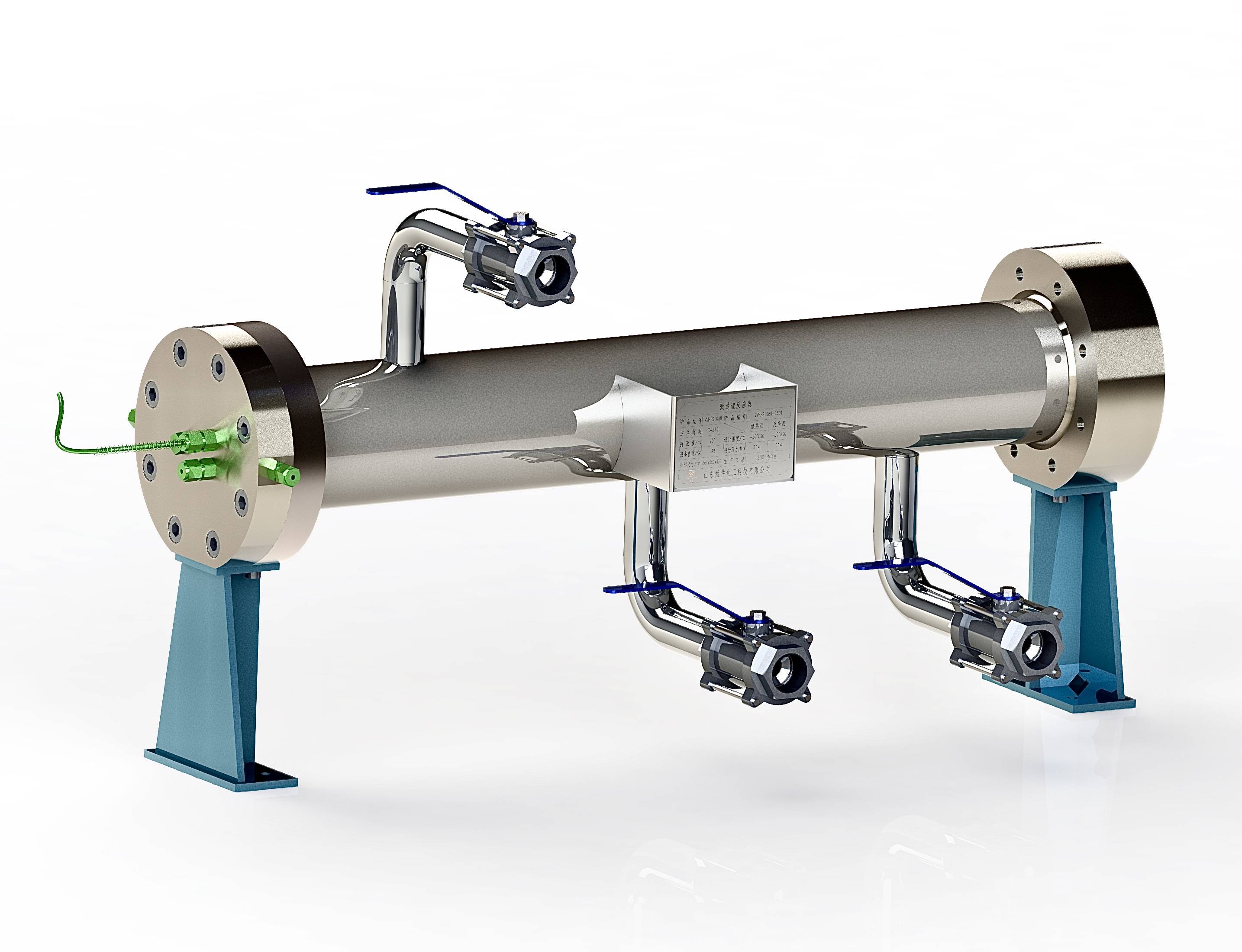
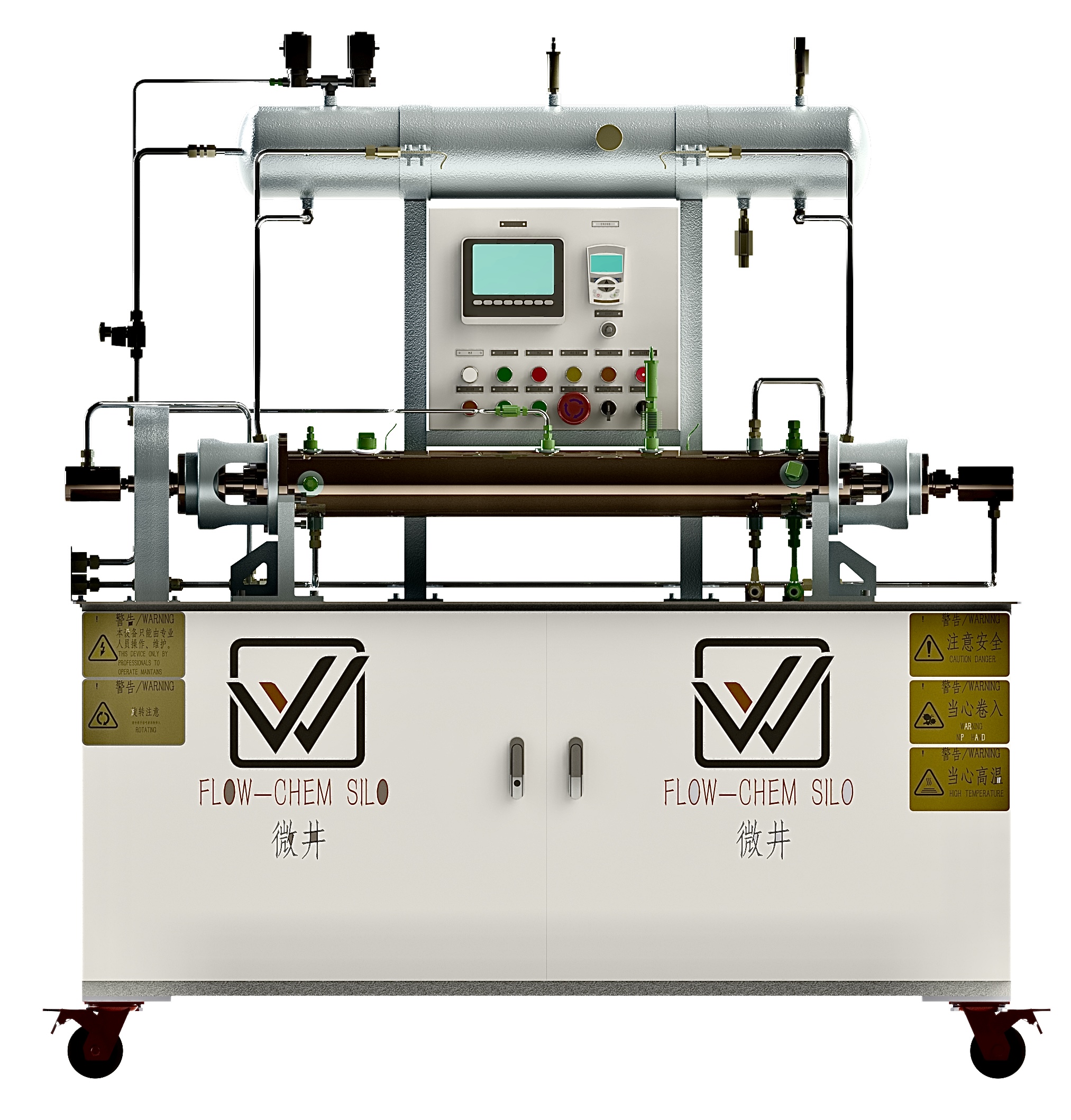
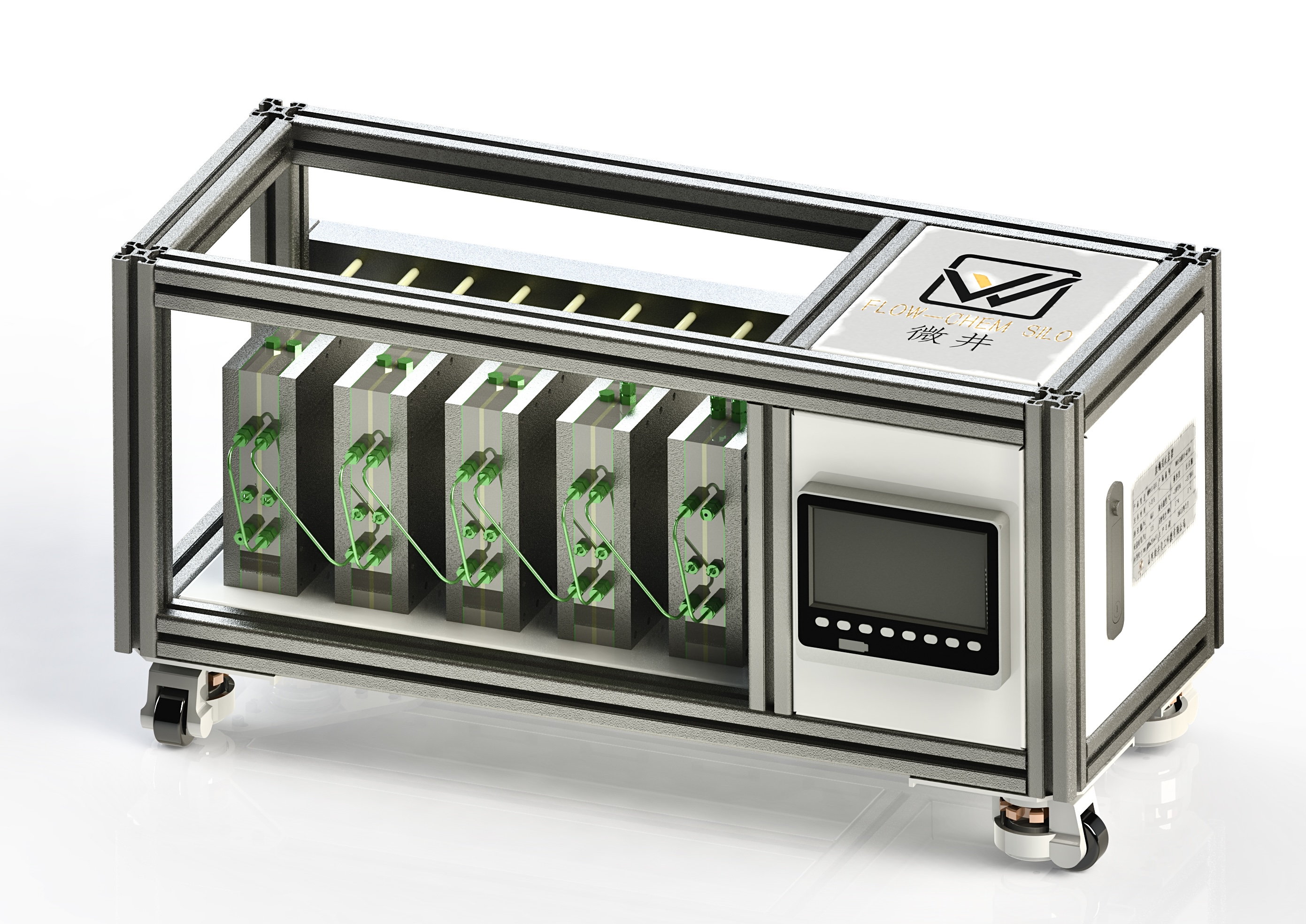
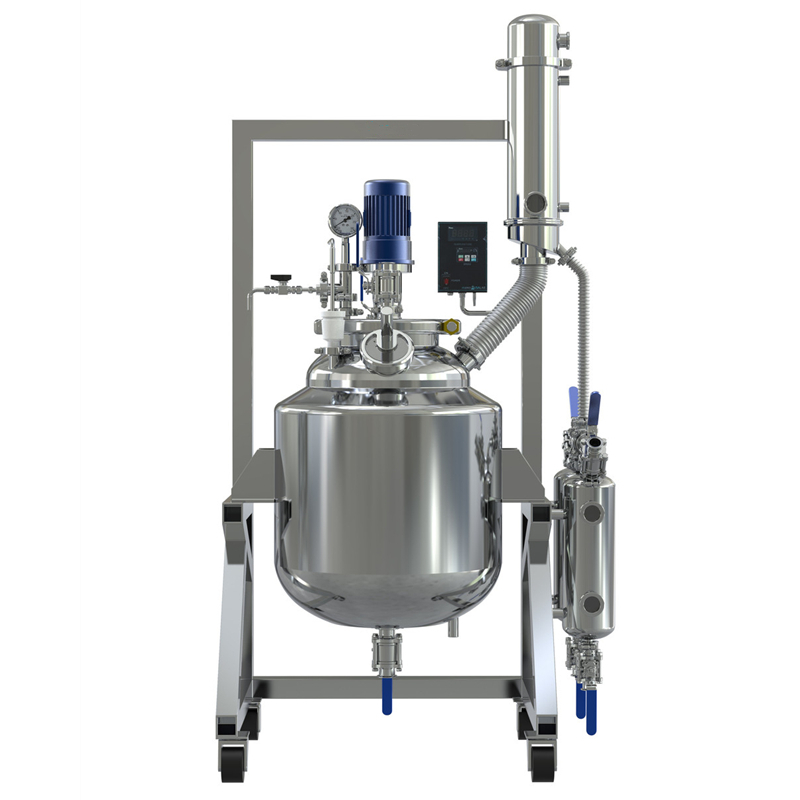
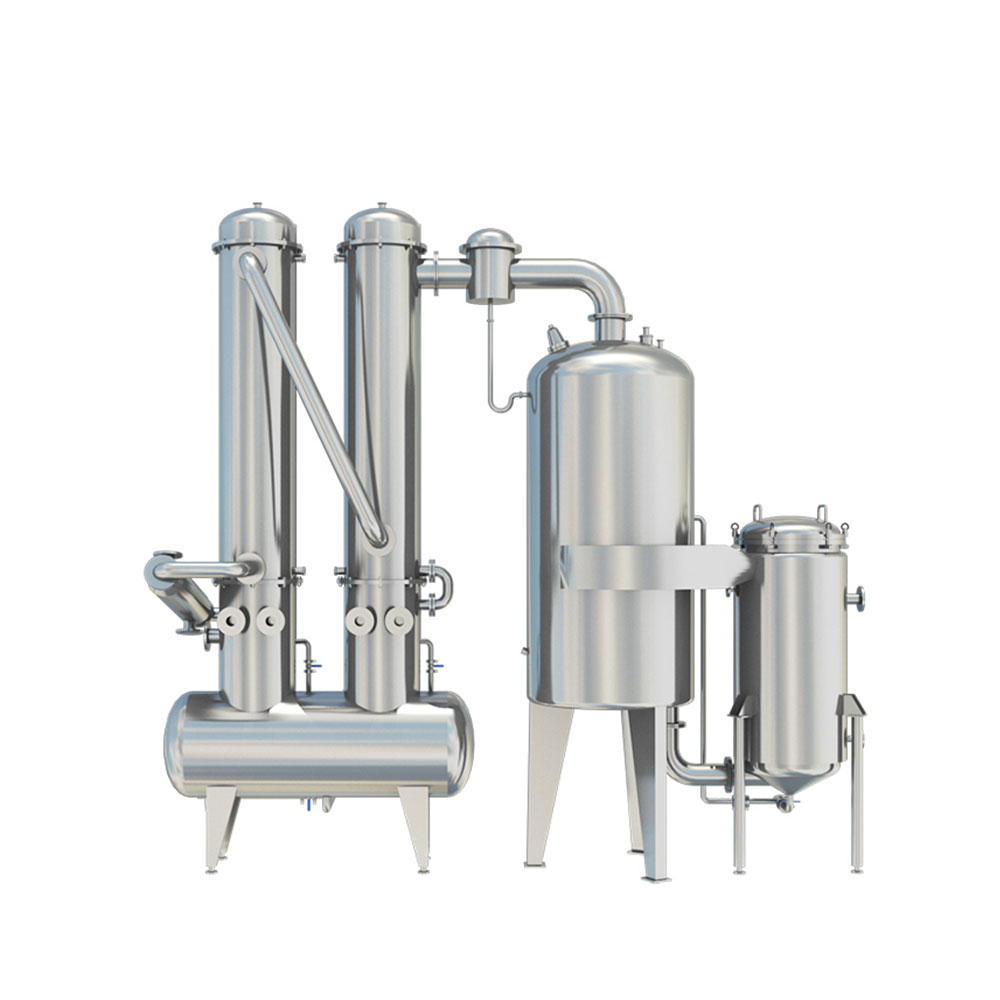
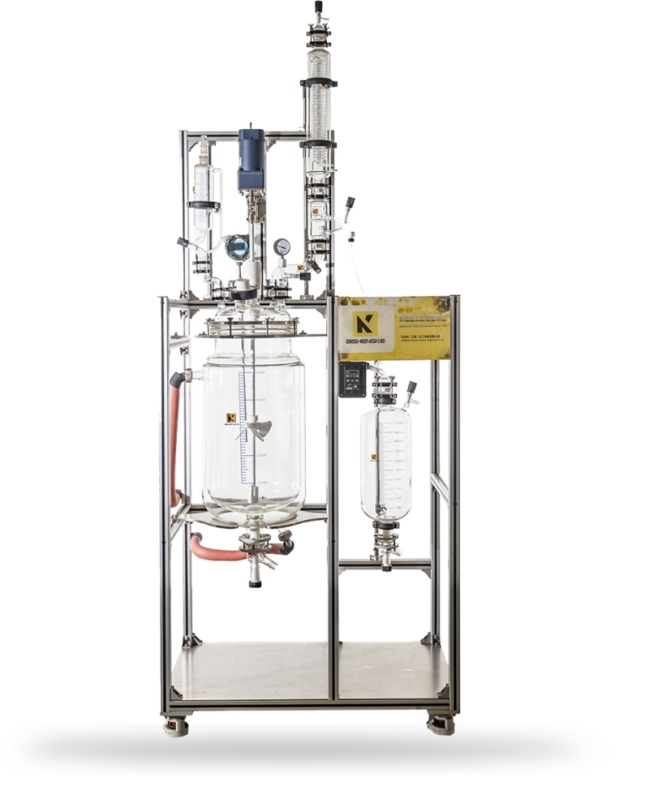
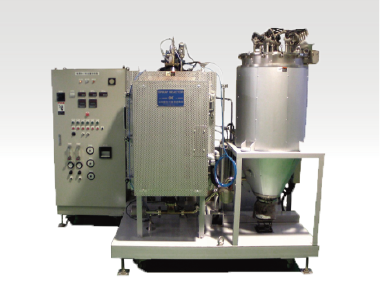
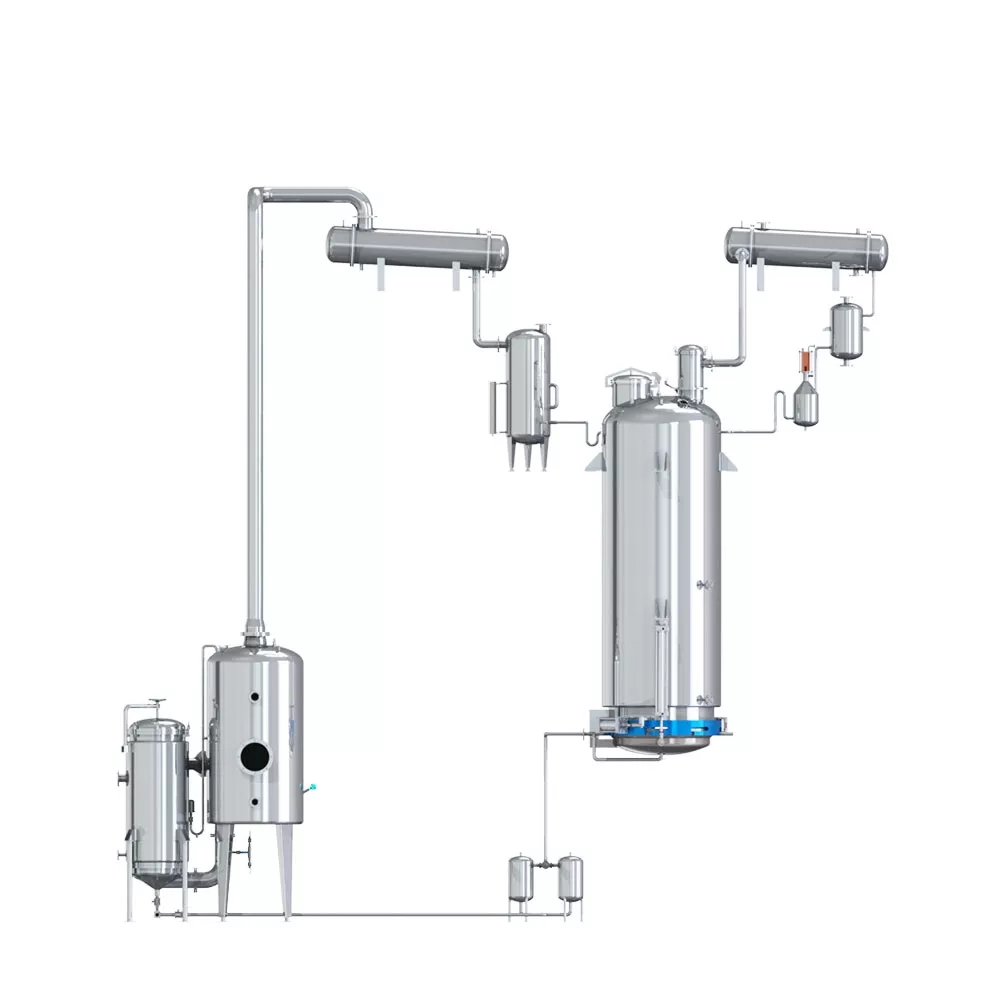
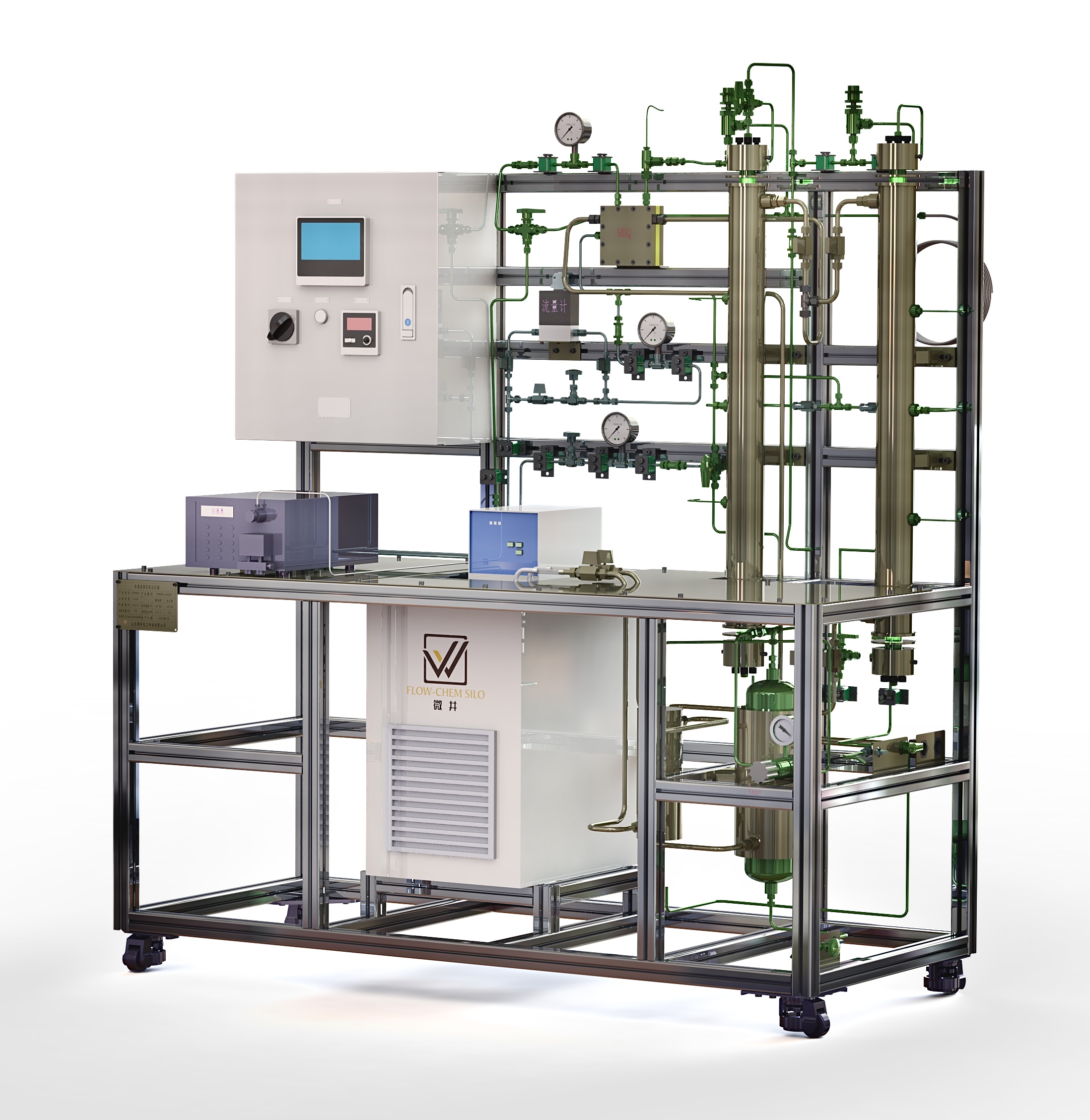
Microbubble mixer replaces T-junctions for gas-liquid premixing, generating bubbles at the micron level. The core internals of the catalytic reactor possess functions such as filtration, distribution, and collection, allowing for the integrated use and replacement of catalysts.
*The following content is generated by AI and is for reference only.
This versatile industrial unit is a critical component in modern chemical processing, designed primarily for continuous heterogeneous catalytic reactions. Widely utilized across the petrochemical, pharmaceutical, and environmental sectors, it facilitates efficient contact between gaseous or liquid reactants and solid catalyst pellets packed within a cylindrical vessel. The core function involves maintaining precise thermal conditions to drive exothermic or endothermic processes, such as hydrogenation, oxidation, reforming, and desulfurization, ensuring high conversion rates and product purity. Its robust construction allows for operation under varying pressures and temperatures, making it suitable for both laboratory-scale research and large-scale commercial production.
Key operational features include optimized flow distribution systems that minimize channeling and ensure uniform residence time for all reactant molecules. Advanced insulation materials are often integrated to maintain thermal stability while reducing energy consumption. Safety protocols are paramount during installation and operation due to the potential handling of flammable gases or toxic substances. Operators must strictly adhere to pressure relief guidelines and monitor temperature gradients closely to prevent runaway reactions or hot spots that could damage the catalyst bed. Regular maintenance checks on inlet filters and outlet valves are essential to prevent clogging and ensure consistent performance. Furthermore, proper catalyst loading techniques are crucial to avoid mechanical stress on the packing material, which could lead to increased pressure drop and reduced efficiency. Before initiating any process, thorough purging with inert gas is recommended to eliminate oxygen and moisture. The system should always be equipped with reliable instrumentation for real-time monitoring of pressure, temperature, and flow rates. By integrating these safety measures and operational best practices, this reactor ensures reliable, efficient, and safe chemical synthesis, serving as a cornerstone for sustainable industrial manufacturing and advanced material development.



 (All Rights Reserved)