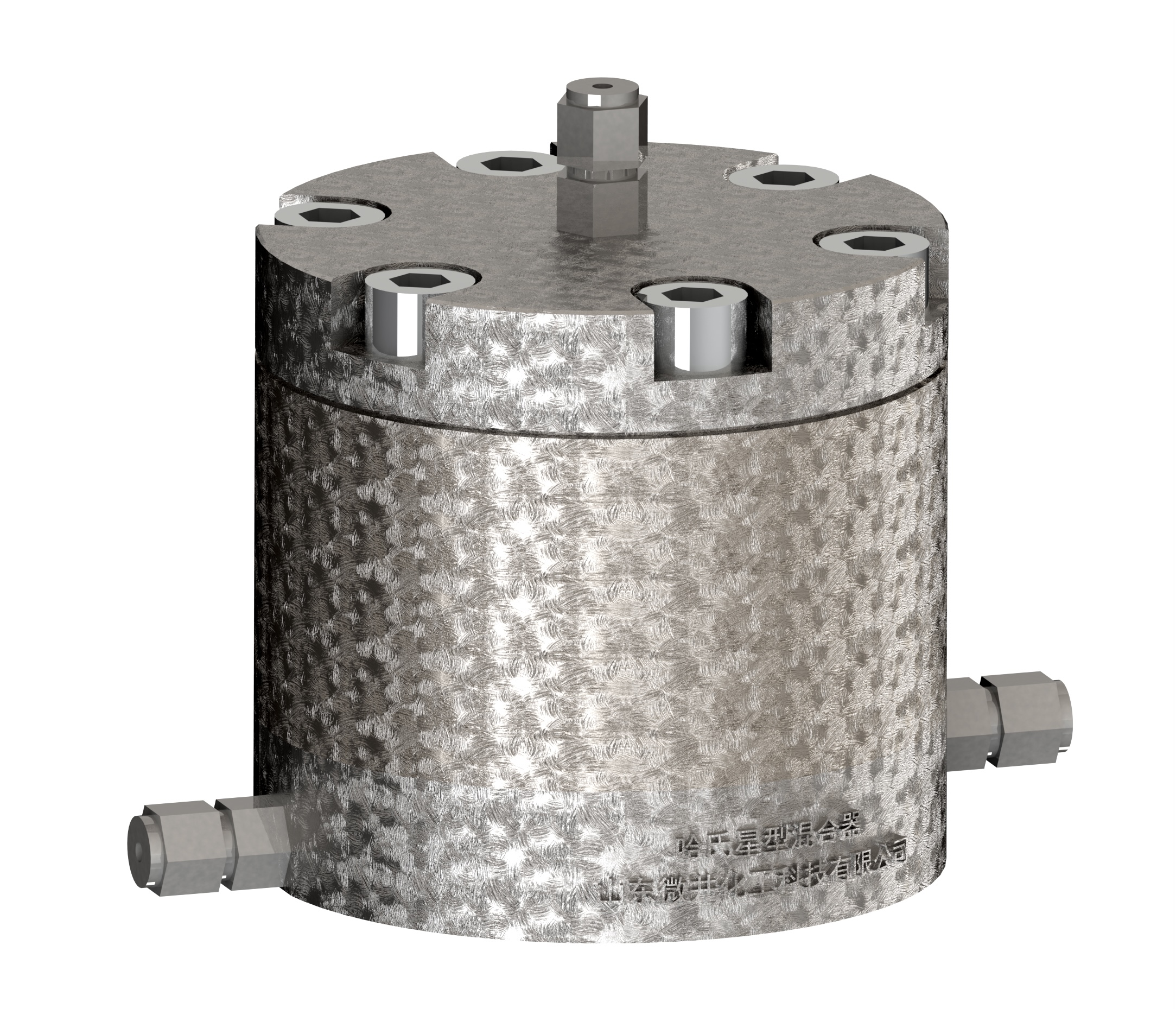
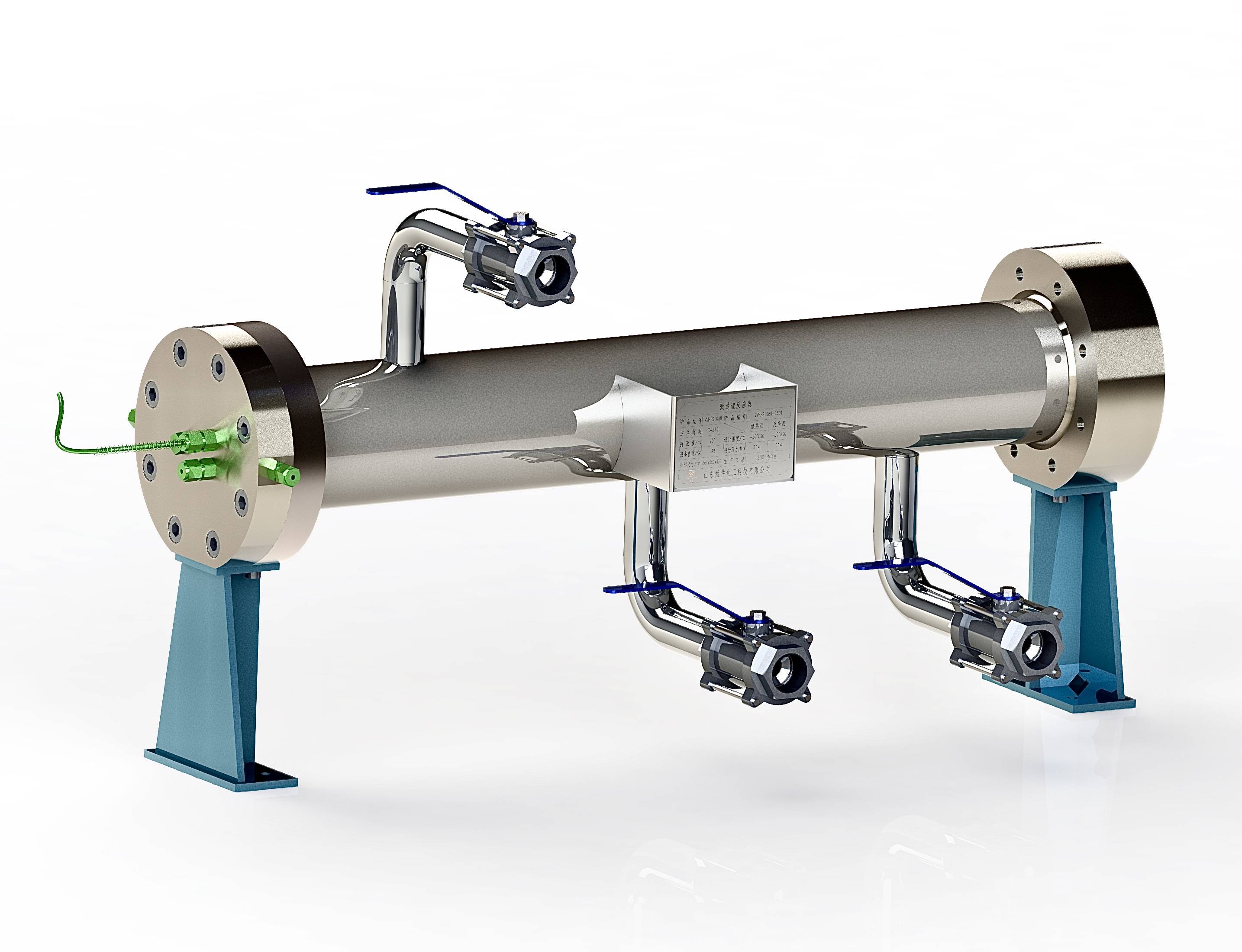
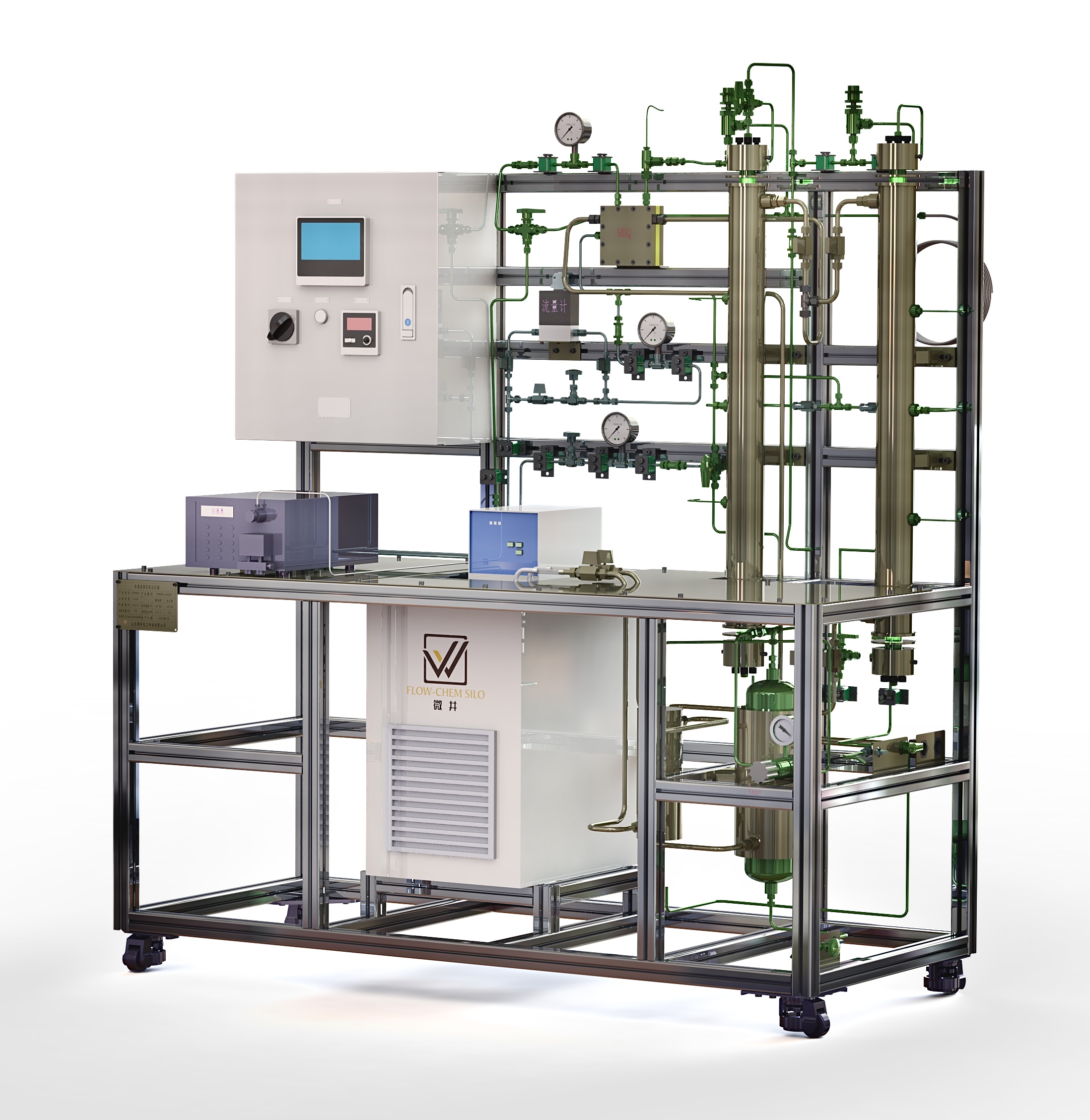
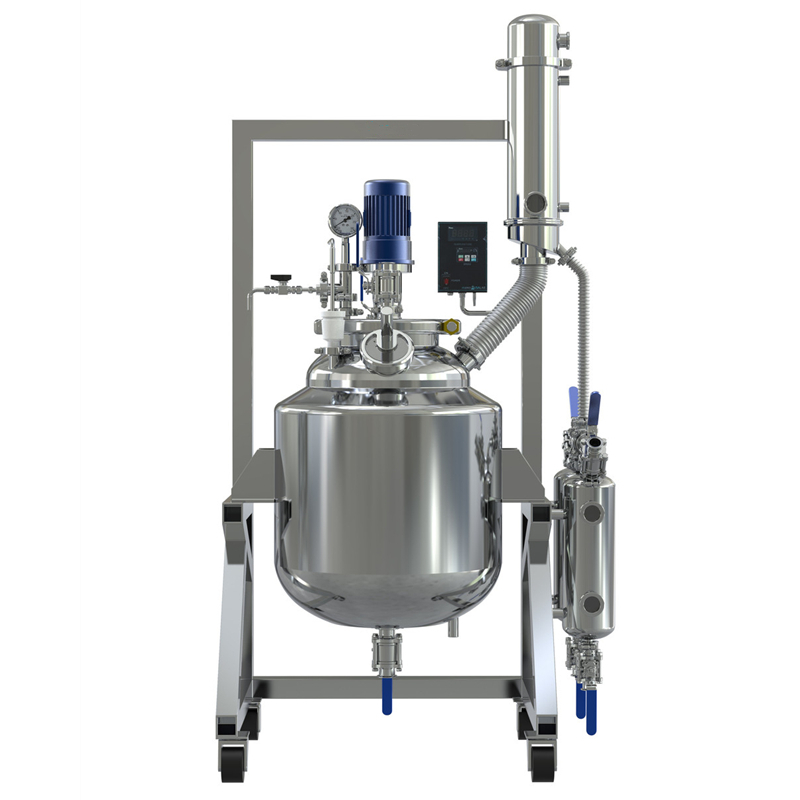
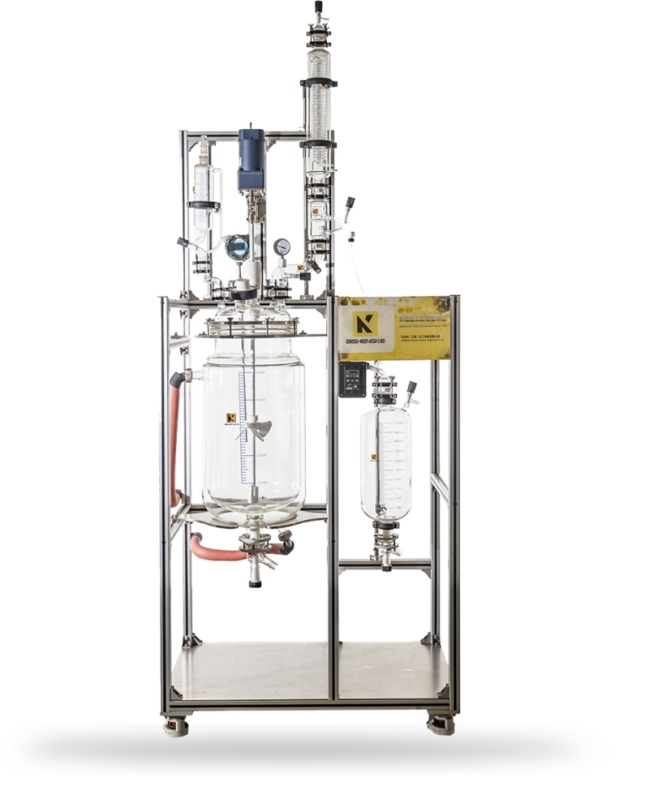
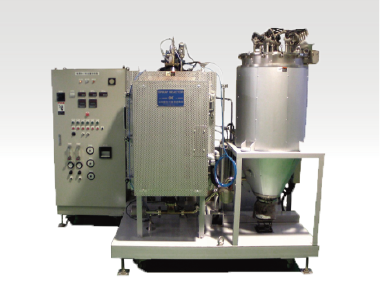
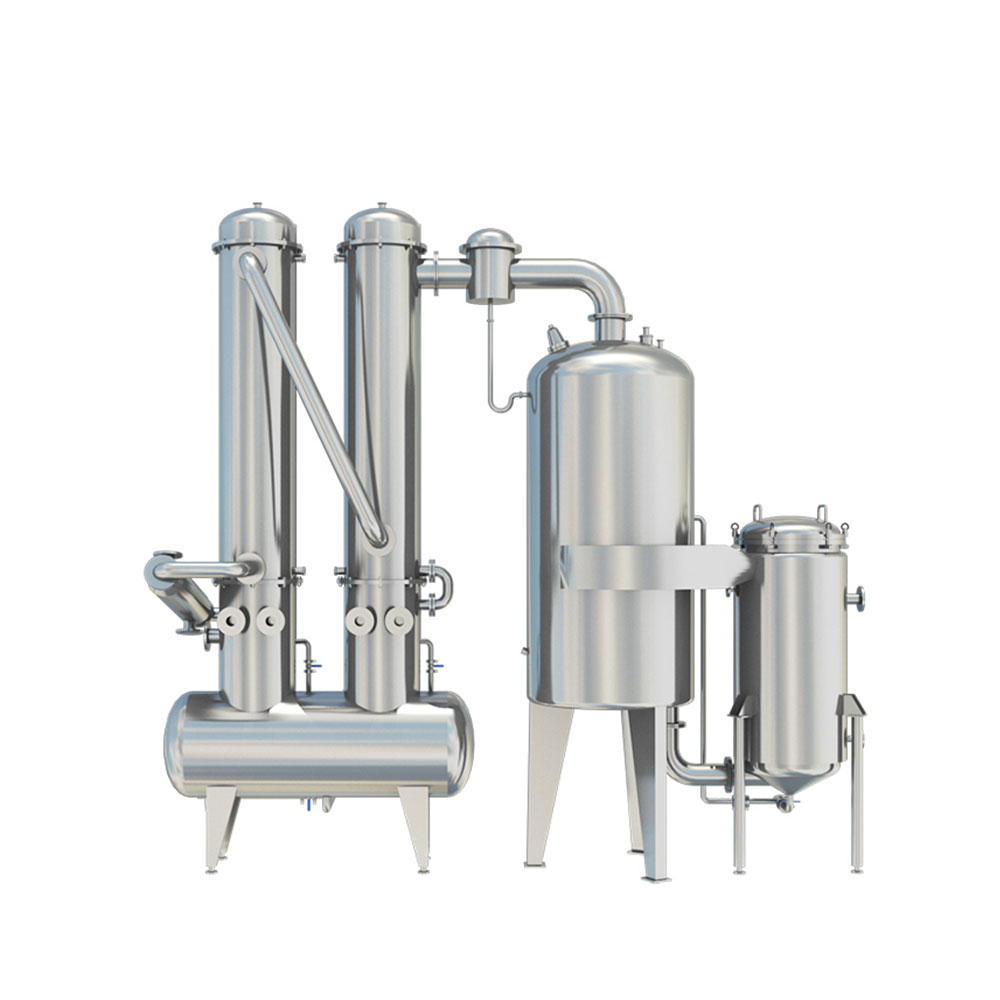
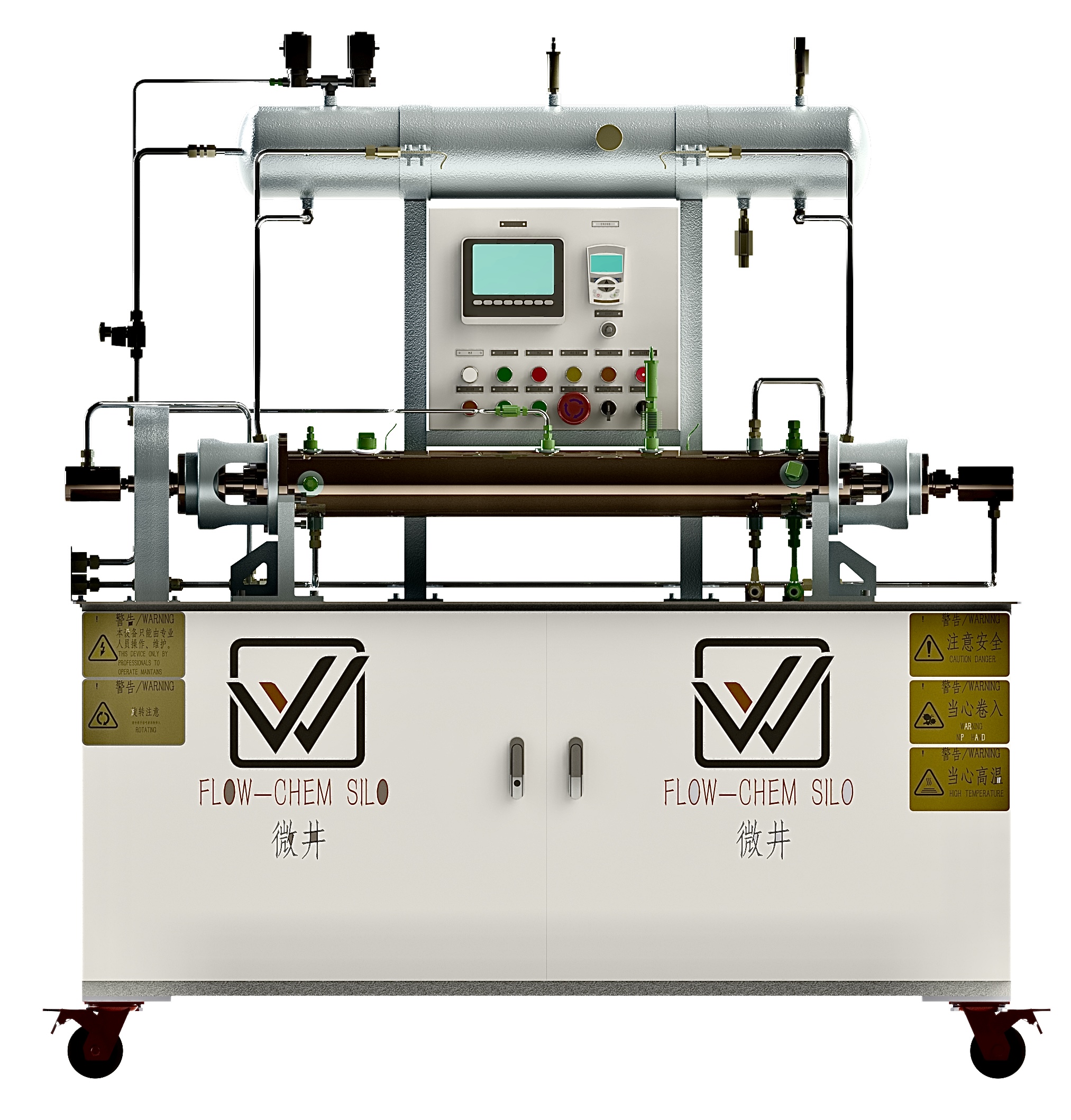
Belonging to the plug flow reactor, no back-mixing;Suitable for reactions involving viscous liquids and the presence or generation of solids; with an internal and external double heat exchange structure, the high-speed stirring blade provides better uniformity in shear of the material system, resulting in high product stability.
*The following content is generated by AI and is for reference only.
The Dynamic Tubular Reactor is a sophisticated piece of laboratory and pilot-scale equipment designed primarily for continuous flow chemical synthesis. Unlike traditional batch reactors, this system allows reactants to flow through a heated or cooled tubular zone, ensuring precise control over reaction time, temperature, and mixing conditions. Its primary application lies in optimizing reaction kinetics, particularly for processes involving exothermic reactions, rapid polymerizations, or sensitive intermediates that require immediate quenching. Researchers utilize this technology to scale up new synthetic pathways from the benchtop to industrial production with greater efficiency and safety.
Key operational features include high surface-to-volume ratios, which facilitate superior heat transfer and prevent hot spots that could lead to side reactions or thermal runaway. The reactor typically supports various materials of construction, such as stainless steel or Hastelloy, making it suitable for handling corrosive acids, bases, or organic solvents under elevated pressures. Operators can easily adjust flow rates using precision pumps to modulate residence time, allowing for fine-tuning of product selectivity and yield.
When operating this equipment, several critical precautions must be observed. First, ensure all connections are leak-free before pressurizing the system, as leaks in high-pressure continuous flows can pose significant safety hazards. Second, strictly adhere to recommended temperature limits to avoid damaging seals or degrading the reactor material. Third, maintain consistent flow rates; sudden interruptions can cause pressure spikes or uneven heating. Regular cleaning is essential to prevent clogging, especially when processing viscous fluids or suspensions. Additionally, users should verify compatibility between the reactor materials and specific chemicals to prevent corrosion or unwanted catalytic effects. Proper training on emergency shutdown procedures and pressure relief mechanisms is mandatory for all operators. By following these guidelines, laboratories can safely leverage the Dynamic Tubular Reactor to accelerate process development and achieve higher quality chemical outputs.



 (All Rights Reserved)