Product Description
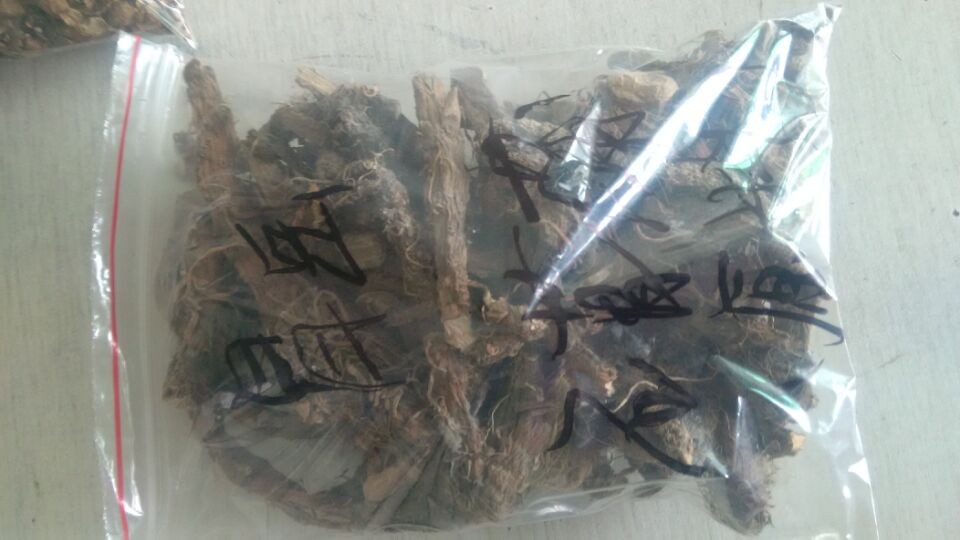
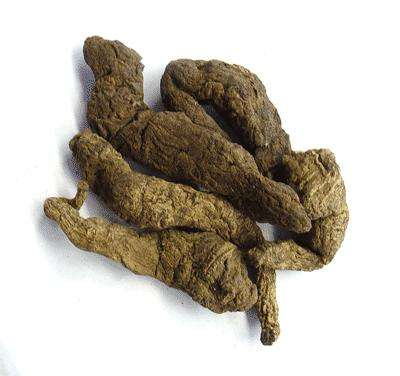
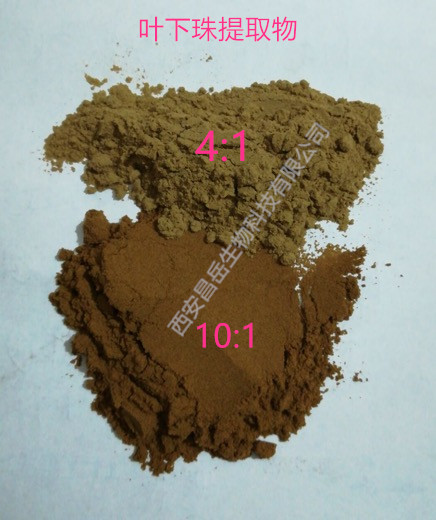
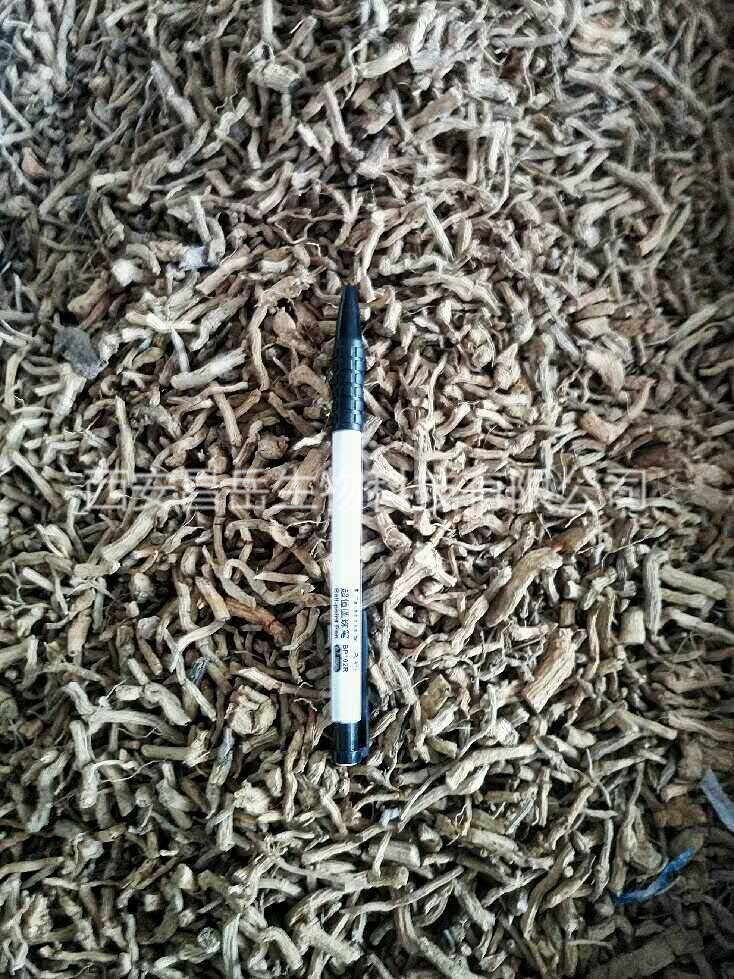
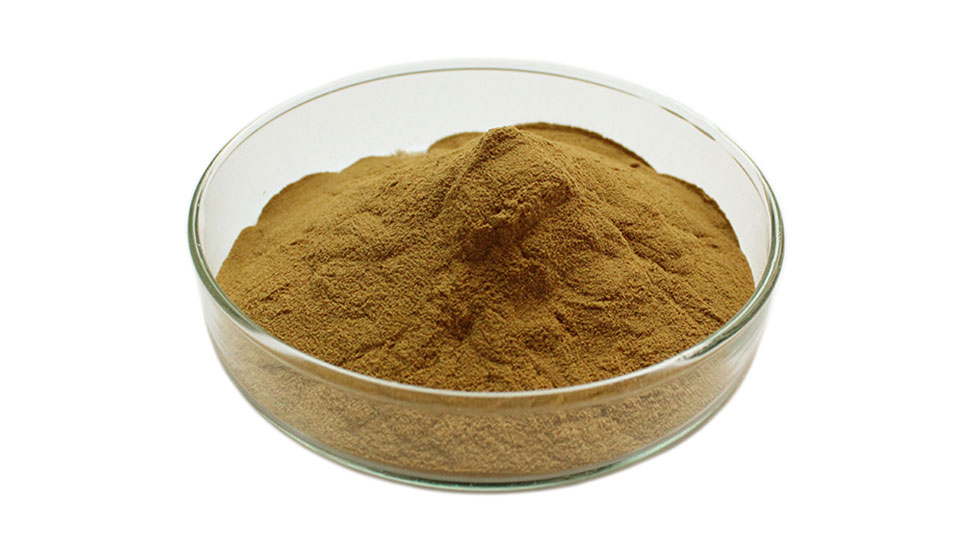
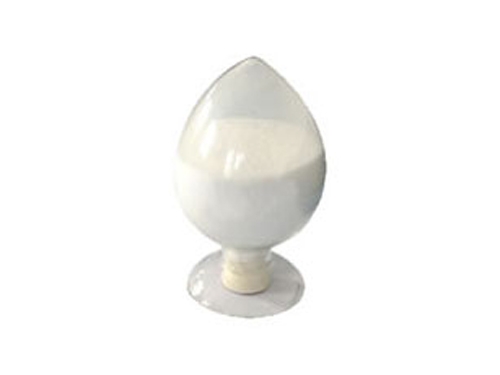
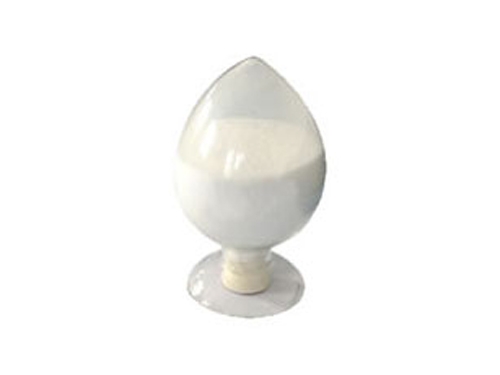
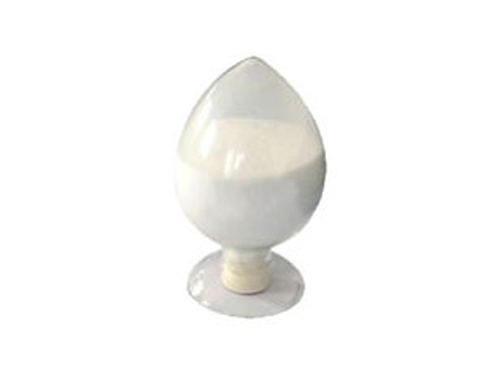
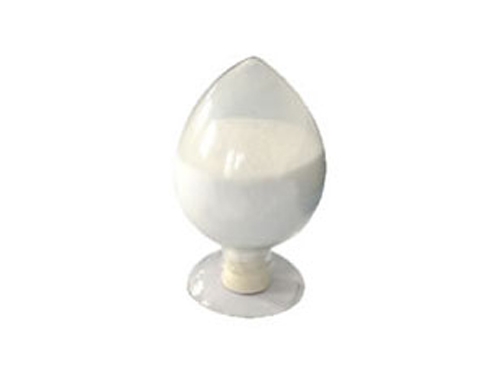
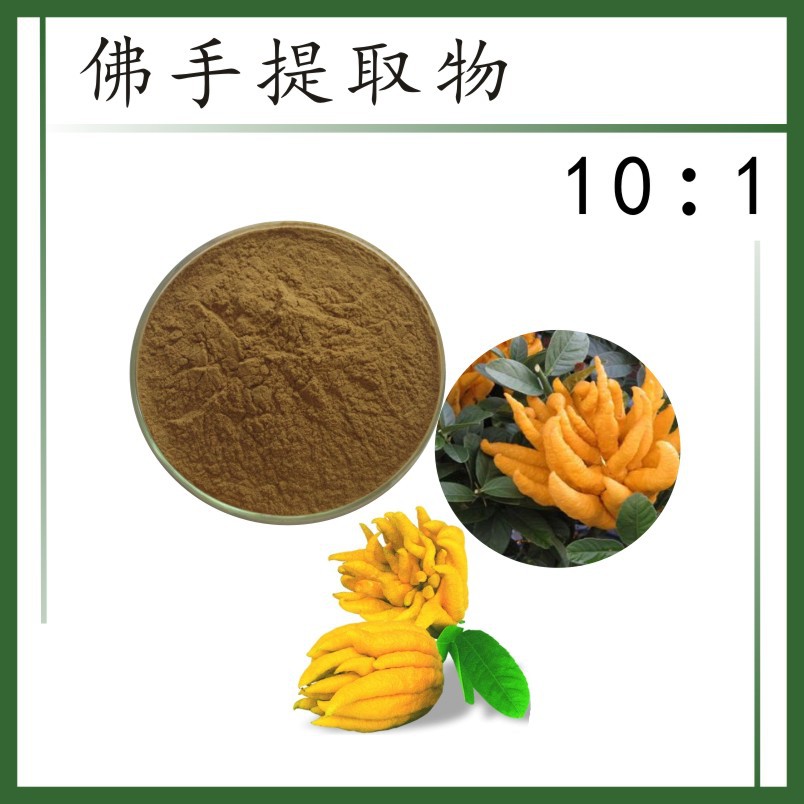
Tan powder, source of Rutaceae plants (Rutaceae) bergamot Citrus medica L.v ar. Sarcodactylis Swingle fruit.
AI Product Description
*The following content is generated by AI and is for reference only.
Finger citron extract, derived from the fruit of *Citrus hystrix* (also known as Kaffir lime or makrut lime), is a distinctive natural ingredient widely utilized in culinary, cosmetic, and pharmaceutical applications. Unlike common citrus fruits, this species is prized for its intensely aromatic leaves and zest, which contain a unique profile of essential oils rich in limonene, citral, myrcene, and linalool. While the term "extract" generally refers to the concentrated solution obtained via solvent extraction or steam distillation, it is important to note that there is no single universal molecular formula or CAS number applicable to the entire crude extract due to its complex, multi-component nature. However, specific major constituents like Citral have their own identifiers; for instance, Citral (a mixture of geranial and neral) carries CAS numbers 5392-40-5 and 106-23-0 respectively. The primary molecular characteristics are defined by these volatile terpenoids rather than a singular compound structure.
In the food industry, finger citron extract serves as a potent flavoring agent, imparting a fresh, floral, and slightly spicy citrus aroma that is essential in Southeast Asian cuisine, particularly Thai curries, soups, and salads. Its ability to cut through richness makes it a versatile seasoning. In the cosmetics and personal care sectors, the extract is valued for its antimicrobial, antioxidant, and anti-inflammatory properties. It is frequently incorporated into shampoos, soaps, lotions, and perfumes to provide a refreshing scent while offering skin-soothing benefits. Furthermore, traditional medicine systems utilize the extract for its digestive aids and potential stress-relieving effects, often employed in aromatherapy to promote mental clarity and relaxation. The production process typically involves harvesting fresh leaves or peels, followed by extraction methods that preserve the delicate volatile compounds. As a natural product, it appeals to consumers seeking clean-label ingredients free from synthetic additives. Its versatility across diverse industries underscores its significance as a valuable botanical resource, bridging the gap between ancient culinary traditions and modern functional formulations.










 (All Rights Reserved)