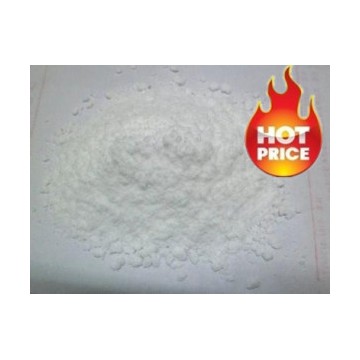
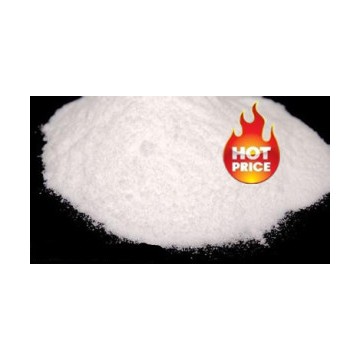
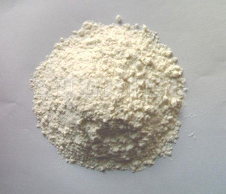
Rice gluten powder (feed grade)
Raw material: Refined rice
Protein content: 60%-65%
Moisture content: ** 10%
Ash content: ** 4.5%
Fat content: ** 8%
Fiber (dry basis): ** 5%
Melamine (mg/kg): Negative
As: ** 2ppm
Pb: ** 2ppm
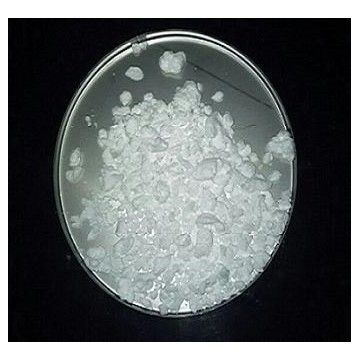
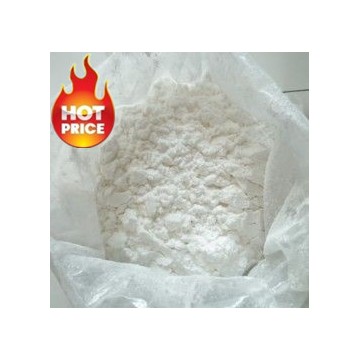
Color: Primrose yellow
Usage: In feed additives for cows, pigs, chicken, ducks, aquatic, etc
Packing: 30-50kg woven bag or as your option (25kg carton)
1x2 FCL=16mt without pallet
*The following content is generated by AI and is for reference only.
Feed additive rice protein is a high-quality, plant-based nutritional supplement derived from the endosperm of milled rice grains through enzymatic hydrolysis or fermentation processes. Unlike synthetic amino acids, this product offers a complete profile of essential and non-essential amino acids, making it an excellent alternative to animal proteins in aquaculture, poultry, and swine diets. Currently, there is no single universal CAS number for "Rice Protein" as a feed additive because it exists as a complex mixture of various peptide chains and free amino acids rather than a pure chemical compound. Consequently, regulatory bodies typically classify it under specific generic categories or reference the source material (Oryza sativa) rather than assigning a unique identifier like those used for isolated chemicals.
The primary application of rice protein in animal nutrition lies in its superior digestibility and hypoallergenic properties. It is particularly valuable in the production of starter feeds for young animals, including piglets and fish fry, where sensitive digestive systems require easily absorbable nutrients. The low levels of anti-nutritional factors found in other legumes make rice protein highly palatable and safe for long-term inclusion in feed formulations. Furthermore, its neutral flavor profile ensures that it does not negatively impact the taste of the final meat or milk products, preserving consumer acceptance.
Environmentally, rice protein represents a sustainable solution for reducing reliance on soybean meal and fishmeal, which are subject to volatile market prices and supply chain disruptions. Utilizing by-products from rice milling industries enhances resource efficiency and supports circular economy principles within the agricultural sector. As global demand for efficient, eco-friendly, and safe animal feed ingredients grows, rice protein stands out as a versatile component capable of improving growth rates, immune function, and overall animal health. Its compatibility with various processing methods allows formulators to integrate it seamlessly into pellets, powders, and liquid supplements, ensuring optimal performance across diverse livestock operations worldwide.





 (All Rights Reserved)