Product Description
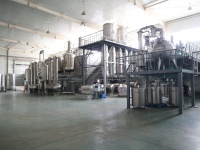
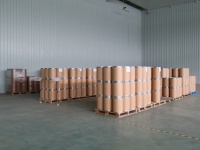
We are professional Raw Material Manufacturer, with more than 10 years' experience.
Please contact us for more information and detailed quotation
Email: sales12@sgonekbio.com
Phone/WhatsApp/Wechat: +86 13572550462

AI Product Description
*The following content is generated by AI and is for reference only.
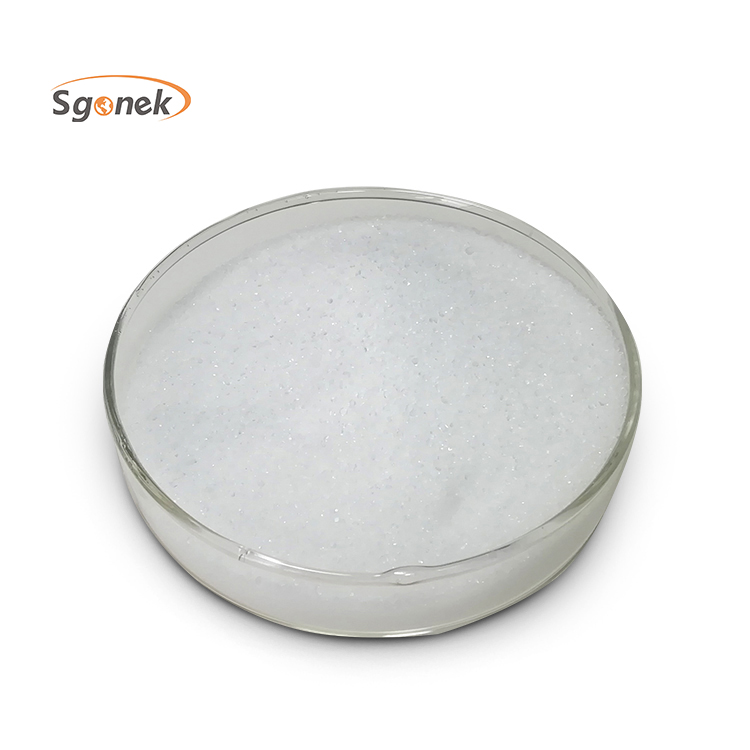
Wheat protein, often marketed under terms like "Factory Supply Wheat Protein," is a versatile hydrocolloid and nutritional ingredient derived from wheat starch or gluten. Unlike small-molecule chemicals, it is not defined by a single molecular formula or CAS number because it exists as a complex mixture of various proteins, primarily gliadin and glutenin. The most common designation for wheat gluten, the primary protein fraction used in food applications, is associated with CAS No. 8049-73-6, though specific isolates may vary. This product is obtained through a wet milling process where wheat flour is washed to remove starch, leaving behind a viscoelastic dough that is dried and milled into powder.
The industrial appeal of factory-supplied wheat protein lies in its exceptional functional properties, particularly its ability to form elastic networks upon hydration. This makes it indispensable in the bakery industry, where it enhances dough strength, volume, and texture in breads and pastries. Beyond baking, it serves as a vital texturizer in meat analogues and vegetarian products, providing a fibrous, chewy mouthfeel that mimics animal muscle tissue. In the cosmetic sector, wheat protein acts as a conditioning agent, improving hair elasticity and skin hydration due to its film-forming capabilities. Additionally, it is valued in the pharmaceutical industry as a binder in tablet formulations.
From a nutritional standpoint, wheat protein offers a high-quality source of essential amino acids, contributing to dietary protein intake. However, it contains gluten, making it unsuitable for individuals with celiac disease or gluten sensitivity. Factory suppliers typically offer this ingredient in various forms, including native gluten, modified gluten, and isolated protein concentrates, tailored to specific processing requirements. Its cost-effectiveness, combined with superior functionality, ensures its status as a staple raw material across global food manufacturing, cosmetics, and industrial sectors. Proper storage in cool, dry conditions is recommended to maintain its stability and prevent microbial growth, ensuring consistent performance in end-product applications.





 (All Rights Reserved)