Product Description
We are professional Raw Material Manufacturer, with more than 10 years' experience.
Please contact us for more information and detailed quotation
Email: sales12@sgonekbio.com
Phone/WhatsApp/Wechat: +86 13572550462

AI Product Description
*The following content is generated by AI and is for reference only.
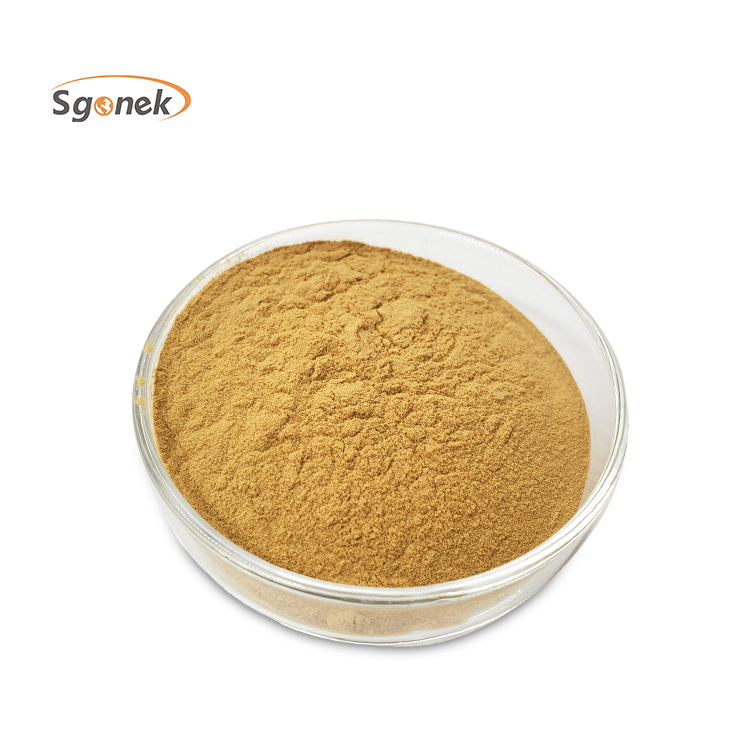
Dodder seed extract, derived from the parasitic plant Cuscuta chinensis (commonly known as dodder), is a widely traded botanical ingredient often marketed through factory supply channels for its traditional medicinal properties and modern pharmaceutical potential. While specific standardized extracts may vary based on processing methods, the primary bioactive components include flavonoids such as quercetin, kaempferol, and luteolin, alongside polysaccharides and phenolic acids. Unlike pure chemical compounds with single molecular formulas, these natural extracts are complex mixtures; therefore, they do not possess a single unique CAS number. Instead, individual constituent compounds have distinct identifiers, such as Quercetin (CAS 117-39-5) or Kaempferol (CAS 520-18-3).
The product is extensively utilized in the nutraceutical and cosmetic industries due to its potent antioxidant, anti-inflammatory, and hepatoprotective activities. In traditional Chinese medicine, dodder seeds are renowned for tonifying the kidney and liver, improving vision, and alleviating lower back pain. Modern research suggests that the extract may support reproductive health by enhancing sperm motility and vitality, making it a popular ingredient in male wellness formulations. Furthermore, its high concentration of antioxidants helps combat oxidative stress, contributing to skin rejuvenation and anti-aging applications in topical skincare products. Factory-supplied dodder seed extract is typically available as a fine powder or liquid solution, standardized to ensure consistent levels of active markers like total flavonoids. This standardization guarantees batch-to-batch reliability for manufacturers developing dietary supplements, functional foods, and herbal cosmetics. The raw material is generally sourced from cultivated fields to ensure sustainability and quality control before undergoing extraction processes using ethanol or water. As global demand for natural, plant-based solutions grows, this versatile extract remains a key component in formulating products aimed at boosting overall vitality and addressing age-related decline. Its broad spectrum of biological activities positions it as a valuable asset for researchers and product developers seeking effective, nature-derived alternatives to synthetic chemicals.





 (All Rights Reserved)