Product Description
Used as a solvent, a transdermal absorption enhancer, a lubricant and a plasticizer in formulations.
A suitable solvent for steroids and other lipophilic drugs. Its properties are similar to almond oil and peanut oil, and its viscosity is low, and it is easily absorbed by body tissues.
Used as biodegradable microcapsules and microemulsions of cyclosporine implanted under the dermis.
AI Product Description
*The following content is generated by AI and is for reference only.
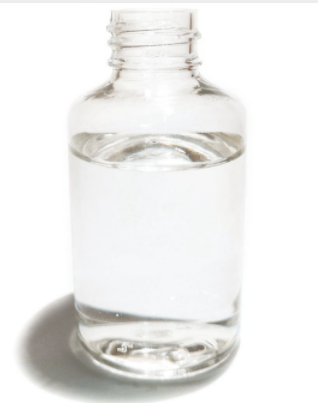
Ethyl Oleate, chemically known as ethyl (9Z)-octadec-9-enoate, is a colorless to pale yellow liquid ester derived from the reaction of oleic acid and ethanol. Its molecular formula is C20H38O2, and it is universally recognized by the CAS registry number 111-62-6. This compound occurs naturally in various vegetable oils and animal fats, serving as a primary constituent of triglycerides found in olive oil, sunflower oil, and other lipid sources. Structurally, Ethyl Oleate features a long hydrophobic carbon chain with a single cis-double bond at the ninth position, which significantly influences its physical properties, including a relatively low melting point and high solubility in organic solvents while remaining insoluble in water.
In terms of industrial applications, Ethyl Oleate serves multiple critical functions across diverse sectors. It is widely utilized as a solvent for resins, waxes, and oils in the manufacturing of paints, varnishes, and adhesives due to its excellent dissolving power and low toxicity profile. In the pharmaceutical industry, it acts as an excipient and penetration enhancer in topical formulations, helping active ingredients absorb more effectively through the skin. Furthermore, it is employed as a carrier fluid in drug delivery systems, particularly for injectable depot preparations where sustained release of medication is required. The cosmetic sector also leverages its emollient properties to improve the texture and spreadability of lotions, creams, and hair care products without leaving a greasy residue.
From a safety perspective, Ethyl Oleate is generally regarded as safe for use in food and cosmetics when meeting purity standards set by regulatory bodies such as the FDA and EFSA. It exhibits low acute toxicity and is biodegradable, making it an environmentally friendly alternative to petrochemical-based solvents. However, standard handling precautions should still be observed to prevent skin irritation or inhalation of vapors during large-scale processing. As demand grows for sustainable and bio-based chemicals, Ethyl Oleate continues to gain prominence as a versatile, renewable building block for green chemistry initiatives, bridging the gap between traditional petroleum derivatives and modern eco-conscious manufacturing processes.





 (All Rights Reserved)