Product Description
please call me , to know more
AI Product Description
*The following content is generated by AI and is for reference only.
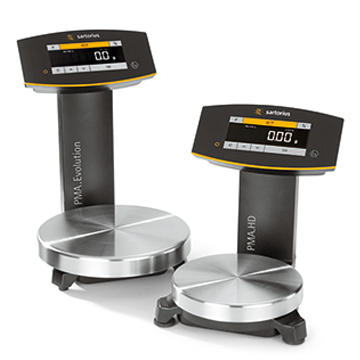
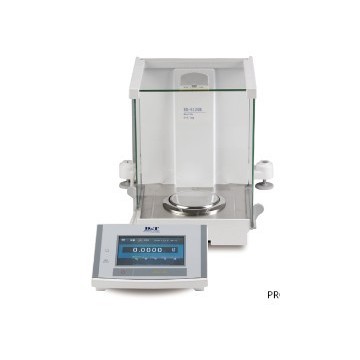
This industrial weighing module is a versatile, self-contained solution designed for integrating precise measurement capabilities into complex production lines and automated systems. Typically composed of a high-capacity load cell, a sturdy mechanical frame, and an integrated junction box, it serves as the critical sensing element in belt scales, hopper weighers, and loss-in-weight feeders. Its primary function is to provide real-time mass data for process control, inventory management, and quality assurance across diverse sectors including food processing, pharmaceuticals, chemicals, and bulk material handling.
The device operates by converting the force exerted by the weighed material into an electrical signal, which is then transmitted to a central controller or display unit. This allows operators to monitor flow rates, detect fill levels, and ensure accurate batching without interrupting the continuous operation of the machinery. The robust construction often features stainless steel or coated carbon steel components to withstand harsh environments, dust, moisture, and corrosive substances, ensuring long-term reliability and minimal maintenance requirements.
When deploying this equipment, several critical precautions must be observed to guarantee accuracy and safety. First, proper installation is paramount; the module must be mounted on a rigid, vibration-free foundation to prevent external forces from skewing readings. Electrical connections should be sealed against environmental ingress, and all grounding points must be secure to avoid signal interference. Regular calibration using certified test weights is essential to maintain traceability and compliance with legal-for-trade standards where applicable. Furthermore, operators should avoid overloading the unit beyond its specified capacity, as this can permanently damage the internal load cells. In explosive atmospheres, only intrinsically safe versions rated for specific hazardous zones should be utilized. Finally, routine inspection of mounting bolts and mechanical linkages is necessary to detect wear or loosening that could compromise measurement integrity. By adhering to these guidelines, industries can achieve consistent, high-precision weighing performance that optimizes operational efficiency and product quality.




 (All Rights Reserved)