Product Description
please call me , to know more
AI Product Description
*The following content is generated by AI and is for reference only.
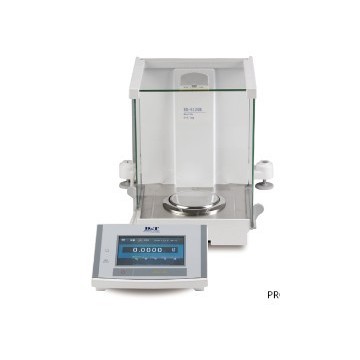
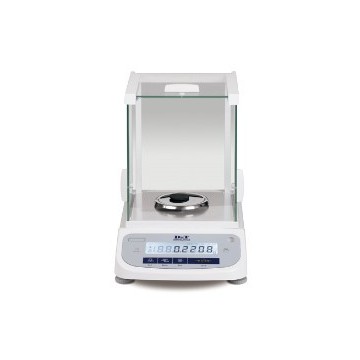
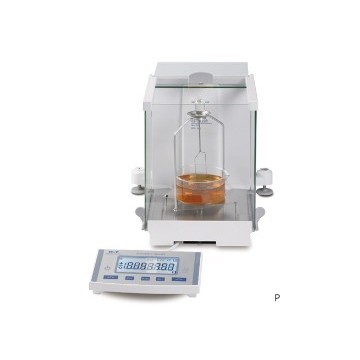
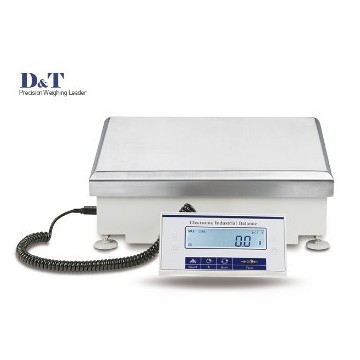
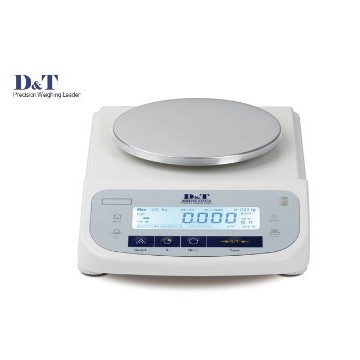
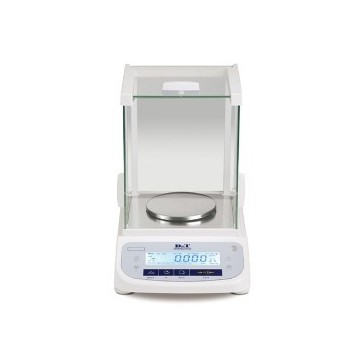
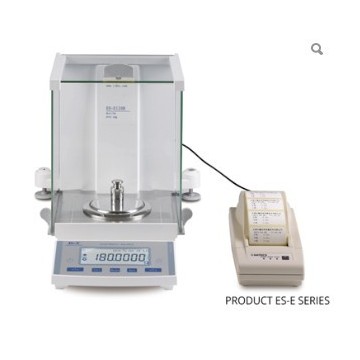
High-precision electronic balances are essential instruments found in laboratories, industrial quality control centers, and research facilities worldwide. These devices are designed to measure mass with exceptional accuracy, often down to the microgram or milligram level, depending on the specific class of the instrument. Their primary function is to provide reliable data for scientific experiments, chemical formulations, pharmaceutical manufacturing, and educational demonstrations where even minute weight variations can significantly impact results.
The operation of such precision balances relies on advanced electromagnetic force restoration sensors. Unlike traditional mechanical scales, these electronic units offer rapid stabilization times, automatic internal calibration features, and user-friendly digital interfaces. They typically include multiple weighing modes, such as percentage calculation, counting, and dynamic weighing, which enhance their versatility across various applications. Furthermore, modern models often feature connectivity options like USB or RS232 ports, allowing seamless data transfer to computers or printers for record-keeping and analysis.
Operating these instruments requires strict adherence to safety and maintenance protocols to ensure longevity and measurement integrity. Users must place the balance on a stable, vibration-free surface away from direct sunlight, drafts, and magnetic fields. Environmental factors like temperature fluctuations and humidity can drastically affect readings; therefore, maintaining a controlled laboratory environment is crucial. Before use, the device should be allowed to warm up for a specified period to reach thermal equilibrium. Calibration should be performed regularly using certified standard weights, especially after moving the unit or changing environmental conditions.
Handling samples requires care to avoid damaging the sensitive pan. Samples should never exceed the maximum capacity, and corrosive or volatile substances must be weighed in sealed containers to prevent damage to internal components. Regular cleaning with a soft brush or lint-free cloth is recommended, while harsh chemicals should be avoided. By following these guidelines, users can maintain the high performance and reliability of precision electronic balances, ensuring accurate measurements for critical tasks.




 (All Rights Reserved)