Product Description
Erythromycin thiocyanate 7704-67-8
AI Product Description
*The following content is generated by AI and is for reference only.
Erythromycin thiocyanate is a specialized salt derivative of the widely used macrolide antibiotic erythromycin. Chemically, it consists of the erythromycin base combined with a thiocyanate anion (SCN⁻). The molecular formula for this compound is typically represented as C₃₇H₆₇NO₁₃·CNS, reflecting the combination of the large macrocyclic lactone structure of erythromycin and the thiocyanate group. Its CAS registry number is 1265-43-8, which serves as a unique identifier for chemical databases and regulatory compliance.
This substance functions primarily as a pharmaceutical intermediate or a stabilized form of erythromycin for specific research applications. While erythromycin itself is a potent antibiotic effective against Gram-positive bacteria, certain respiratory pathogens, and atypical organisms like Mycoplasma, its stability and solubility can be challenging in various formulations. The formation of the thiocyanate salt aims to modify these physicochemical properties, potentially enhancing water solubility or altering crystallization characteristics for industrial processing. However, it is important to note that Erythromycin thiocyanate is not commonly found as a direct commercial drug product for human administration compared to erythromycin estolate, ethylsuccinate, or stearate. Instead, it is frequently utilized in laboratory settings for analytical chemistry, structural studies, or as a precursor in the synthesis of other erythromycin derivatives.
In terms of safety, handling this compound requires standard precautions associated with antibiotics. It may cause skin irritation or allergic reactions in sensitized individuals. Like all macrolides, it acts by inhibiting bacterial protein synthesis by binding to the 50S ribosomal subunit. Researchers must adhere to strict guidelines regarding storage, keeping the material in a cool, dry place away from light to prevent degradation. Due to its specific nature, availability is often limited to scientific suppliers rather than general pharmaceutical markets. Its primary value lies in facilitating advanced pharmacological research and understanding the structure-activity relationships within the erythromycin family, contributing to the development of more effective antimicrobial therapies.

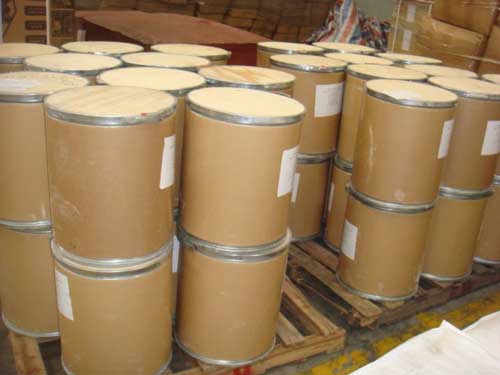




 (All Rights Reserved)
![(3R)-3-Amino-1-[3-(Trifluoromethyl)-5,6,7,8-Tetrahydro-1,2,4-Triazolo[4,3-A]Pyrazin-7-yl]-4-(2,4,5-T](https://eimg.pharmasources.com/image/product/20250402/e43f5153f3b91f760fdee40247460568jpg)
![3-(Trifluoromethyl)-5,6,7,8-Tetrahydro-[1,2,4]Triazolo[4,3-a]Pyrazine HCL](https://eimg.pharmasources.com/image/product/20250402/8ae4dd18f1fe219e41ad63ce9b3306d7jpg)

![4-[[[[6-[(Diethylamino)methyl]-2-naphthalenylmethoxy]carbonyllaminolbenzoic acid](https://eimg.pharmasources.com/image/20241206/xJCFsdgfMrHzqjtgeOixhGQHgVbKi7kAcoEqemzE.jpg)
