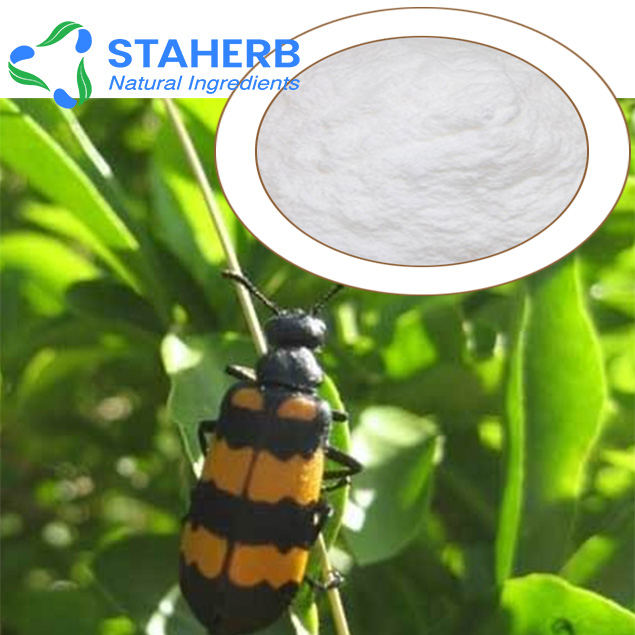
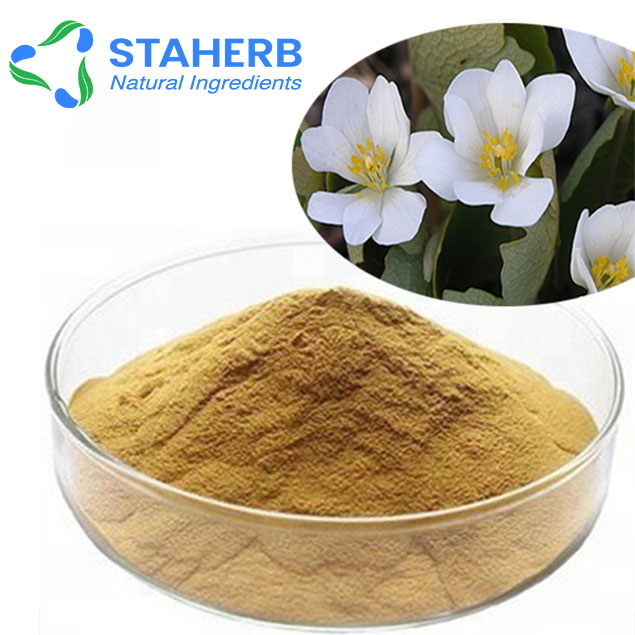
[Product name] Blood water plant extract
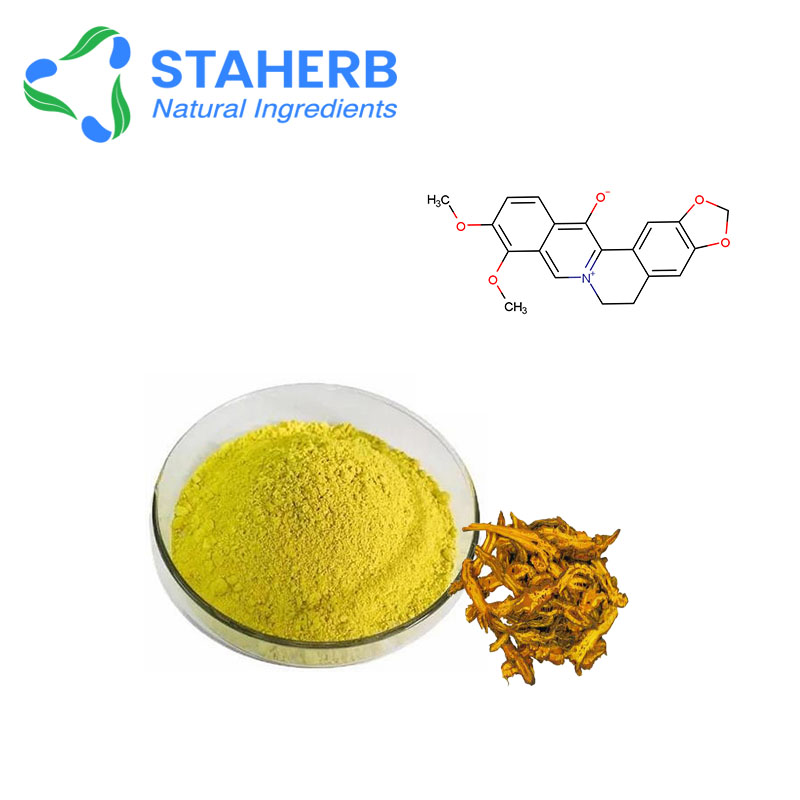
Eomecon chionantha
[Raw material alias] Water coptis, wide flat line, bundle fairy rope, chicken feet, yellow water taro, gold belt.
[Grid] 10:1 20:1 or according to customer requirements
[Sexual appearance] : brown powder
[Detection method] :TLC
【 Grain size 】:80 mesh
【 Water content 】:≤5
[Total number of colonies] :<1000
【 Salmonella 】: None
【 E. Coli 】: None
[Storage conditions] This product should be sealed and dark, avoid high temperature, stored in a dry, cool and well-ventilated place;
【 Packing method 】 Large cargo 25kg/cardboard drum, small sample 1KG/ aluminum foil bag, can also be packed according to
[Validity period] : Two years
*The following content is generated by AI and is for reference only.
Eomecon chionantha Hance, commonly known as the snowpoppy, is a perennial herb native to East Asia, particularly China and Korea. The plant has been utilized in traditional medicine for centuries, primarily for its analgesic and anti-inflammatory properties. Recent scientific interest has focused on extracting bioactive compounds from this species, leading to the development of Eomecon chionantha extract. This extract is rich in isoquinoline alkaloids, including sanguinarine, chelerythrine, and protopine, which are responsible for its pharmacological activities.
The specific molecular formula and CAS number vary depending on the isolated compound rather than the crude extract itself. For instance, sanguinarine has the molecular formula C20H14NO4+ and CAS number 3658-95-7, while chelerythrine is C20H14NO4+ with CAS number 2574-39-8. As a complex mixture, the crude extract does not possess a single molecular formula or CAS number; it is typically characterized by the presence of these key alkaloids.
In terms of applications, Eomecon chionantha extract is widely researched and utilized in the pharmaceutical and cosmetic industries. Its potent anti-inflammatory effects make it valuable for treating skin conditions such as dermatitis, psoriasis, and acne. Furthermore, its antimicrobial properties suggest potential use in wound healing formulations and natural preservatives. In traditional contexts, it has also been employed to relieve pain and reduce fever. Modern research continues to explore its antioxidant capabilities and potential role in managing chronic inflammatory diseases. The extract is generally available in standardized forms containing defined percentages of active alkaloids to ensure consistency and efficacy across different product lines. Due to its biological activity, rigorous quality control is essential to maintain safety standards. While promising, further clinical trials are needed to fully validate its therapeutic benefits and establish optimal dosage guidelines for widespread commercial application.











 (All Rights Reserved)