Antibacterial raw material, mainly used for bacterial and mycoplasma infections in livestock and poultry. It is used for respiratory tract, digestive tract, urinary tract, reproductive system and systemic infection of livestock and poultry. Marine, freshwater fish rotten gill, enteritis, rotten tail disease and other bacterial infections.
*The following content is generated by AI and is for reference only.
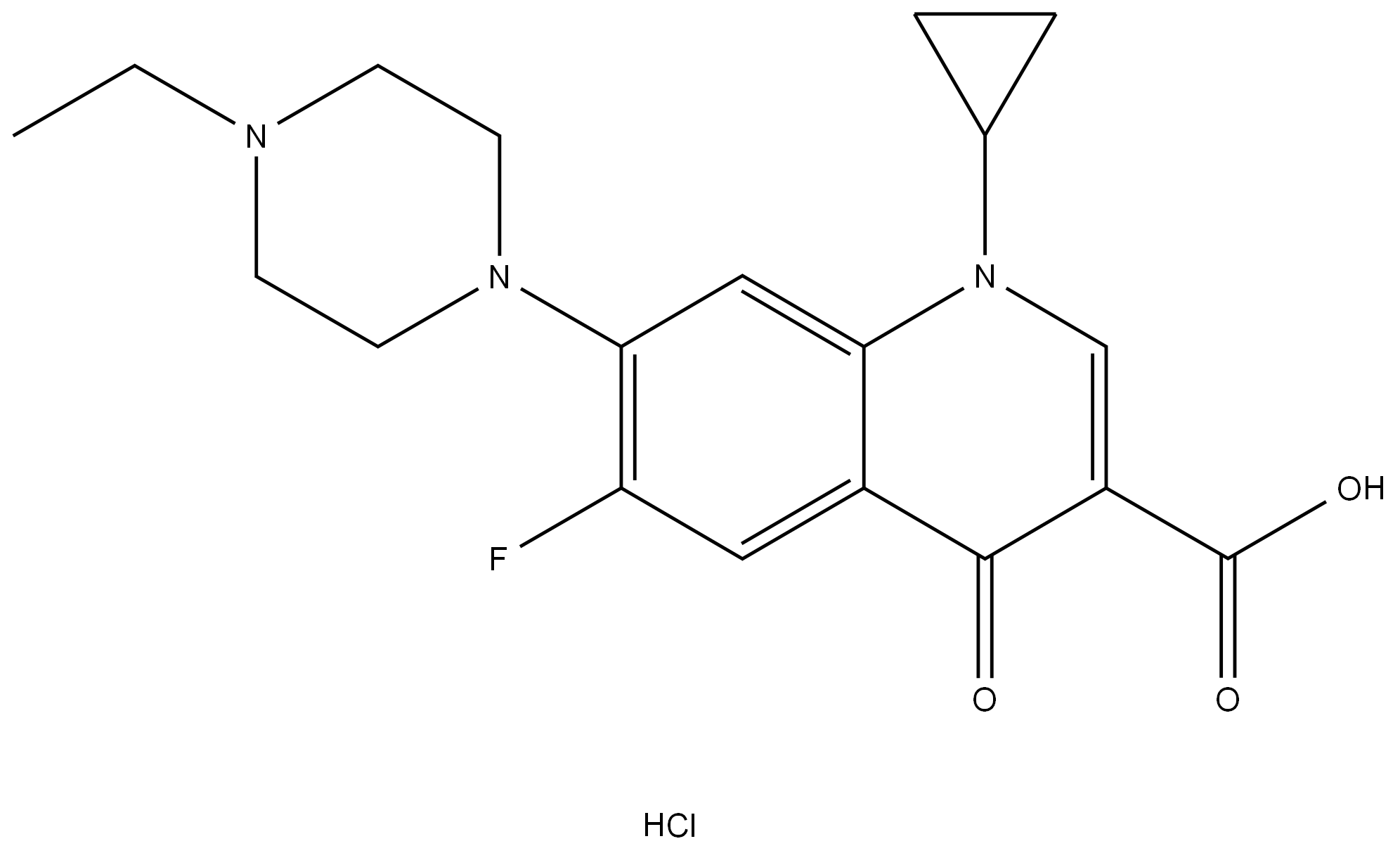
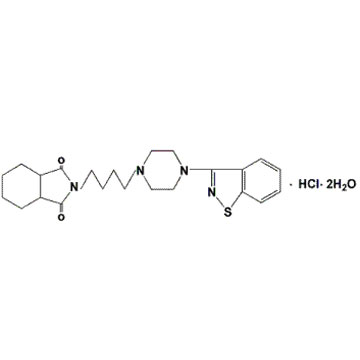
Enrofloxacin hydrochloride is a widely utilized veterinary pharmaceutical agent belonging to the fluoroquinolone class of antibiotics. Chemically, it is identified by the CAS number 93106-60-6 and possesses the molecular formula C₁₉H₂₂ClFN₃O₃. This compound serves as the hydrochloride salt form of enrofloxacin, enhancing its solubility in aqueous solutions for various administration routes, including oral drenching, injection, and water medication. The primary mechanism of action involves the inhibition of bacterial DNA gyrase and topoisomerase IV, enzymes essential for DNA replication, transcription, and repair. By disrupting these critical processes, the drug effectively halts bacterial growth and leads to cell death, demonstrating broad-spectrum activity against both Gram-negative and Gram-positive pathogens.
In the field of animal health, Enrofloxacin hydrochloride is extensively employed to treat a variety of infectious diseases in livestock, poultry, and companion animals. Common indications include respiratory infections such as pneumonia in cattle and pigs, urinary tract infections, dermatological conditions, and enteric disorders caused by susceptible bacteria like Escherichia coli, Salmonella species, and Pasteurella multocida. Its efficacy makes it a valuable tool in managing outbreaks within intensive farming operations where rapid control of infection is crucial for animal welfare and economic stability. However, strict adherence to withdrawal periods is mandatory before meat or milk products from treated animals enter the food supply chain to prevent residue contamination. Furthermore, due to growing concerns regarding antimicrobial resistance, regulatory agencies worldwide have implemented guidelines to limit its use to cases where other treatments are ineffective or contraindicated. Proper dosage calculation based on body weight is essential to ensure therapeutic success while minimizing the risk of adverse effects or the development of resistant bacterial strains. As a critical component of modern veterinary medicine, this formulation remains a standard choice for clinicians aiming to safeguard animal populations against life-threatening bacterial infections.








 (All Rights Reserved)