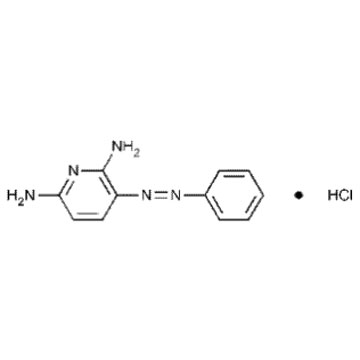
X5927Empagliflozin(2S,3R,4R,5S,6R)-2-(4-chloro-3-(4-((S)-tetrahydrofuran-3-yloxy)benzyl)phenyl)-6-(hydroxymethyl)tetrahydro-2H-pyran-3,4,5-triolD-Glucitol, 1,5-anhydro-1-C-[4-chloro-3-[[4-[[(3S)-tetrahydro-3-furanyl]oxy]phenyl]methyl]phenyl]-, (1S)-JardianceCS-0940BI10773(1S)-1,5-Anhydro-1-(4-chloro-3-{4-[(3S)-tetrahydro-3-furanyloxy]benzyl}phenyl)-D-glucitol
*The following content is generated by AI and is for reference only.
Empagliflozin is a highly selective inhibitor of sodium-glucose cotransporter 2 (SGLT2), primarily utilized in the management of type 2 diabetes mellitus. First approved by regulatory agencies such as the FDA and EMA, this medication functions by blocking glucose reabsorption in the proximal renal tubules. Consequently, excess glucose is excreted through urine, effectively lowering blood sugar levels without stimulating insulin secretion. This unique mechanism offers significant clinical benefits, including weight reduction and modest blood pressure decreases, addressing key comorbidities often associated with diabetes.
The chemical identity of Empagliflozin is defined by its molecular formula, C21H25ClO6, and it carries the CAS registry number 864073-94-5. Structurally, it belongs to the phlorizin derivative class, featuring specific modifications that enhance its selectivity for SGLT2 over SGLT1, thereby minimizing gastrointestinal side effects like diarrhea. The drug is typically administered orally once daily, usually in the morning, independent of meals, which facilitates high patient adherence. Beyond glycemic control, extensive cardiovascular outcome trials have demonstrated that Empagliflozin significantly reduces the risk of major adverse cardiovascular events, including hospitalization for heart failure and cardiovascular death, in patients with established heart disease or multiple risk factors. These findings have led to its inclusion in treatment guidelines not only for diabetes but also for chronic heart failure and chronic kidney disease, highlighting its organ-protective properties.
Common side effects may include genital mycotic infections and urinary tract infections due to increased urinary glucose concentration, though these are generally manageable with proper hygiene. Serious but rare risks involve euglycemic diabetic ketoacidosis and volume depletion, necessitating careful monitoring in at-risk populations. Overall, Empagliflozin represents a pivotal advancement in metabolic therapy, offering a dual benefit of improved glycemic control and enhanced cardiovascular and renal protection, making it a cornerstone agent in modern endocrinology and cardiology practice.





 (All Rights Reserved)