Product Description
please call me ,to know more
AI Product Description
*The following content is generated by AI and is for reference only.
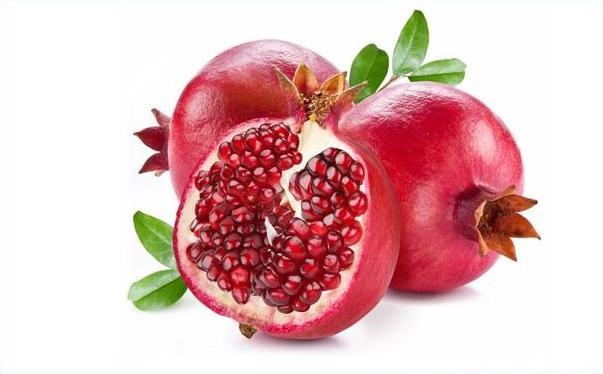
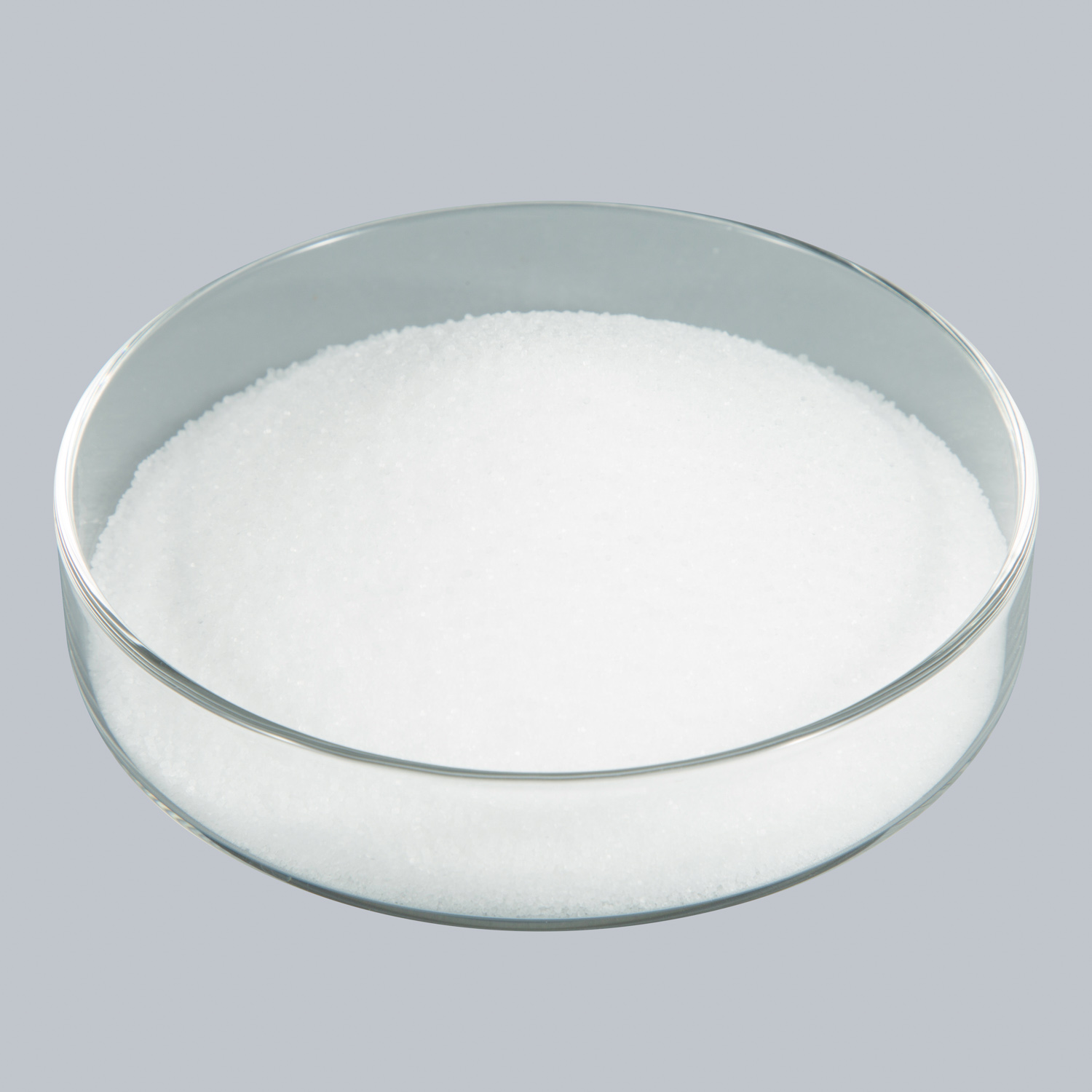
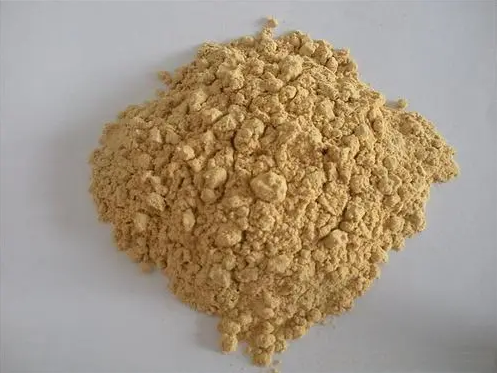
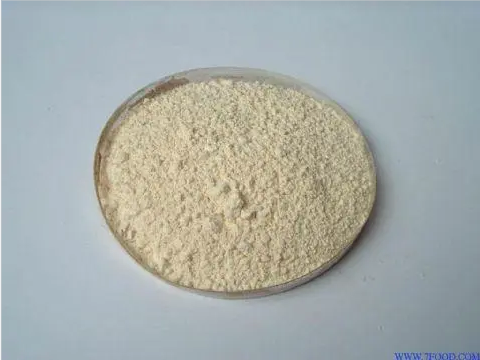
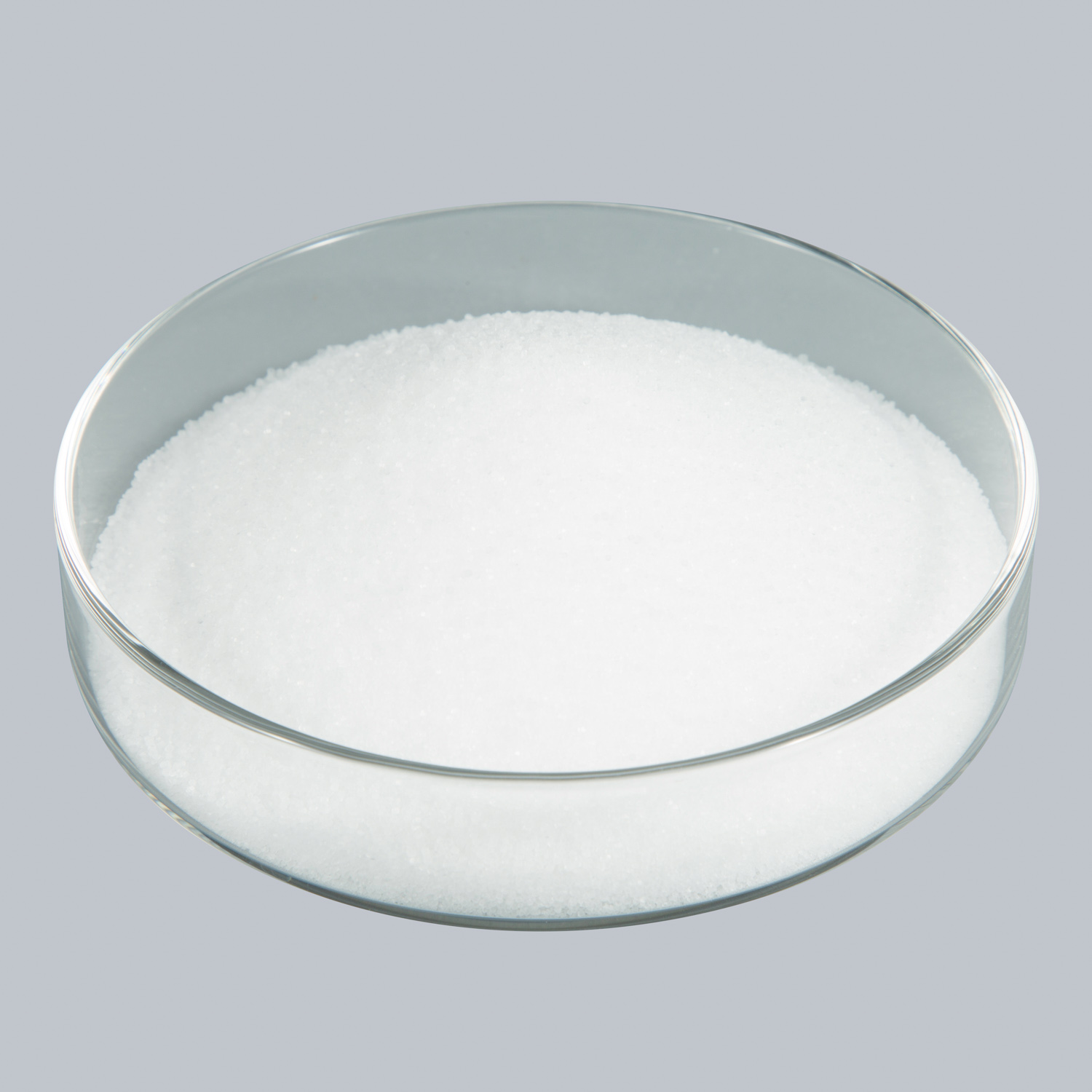
Ellagic acid is a naturally occurring polyphenolic compound belonging to the hydrolyzable tannin family, widely recognized for its potent antioxidant and anti-inflammatory properties. Chemically identified by the molecular formula C14H6O8 and assigned the CAS number 476-66-4, this white to pale yellow crystalline powder is found abundantly in various fruits, nuts, and berries. Notable dietary sources include pomegranates, strawberries, raspberries, blackberries, walnuts, and grapes. Upon ingestion, ellagic acid undergoes metabolic conversion into urolithins by gut microbiota, which are believed to be responsible for many of its systemic health benefits.
The primary applications of ellagic acid span across the pharmaceutical, cosmetic, and food industries. In the realm of nutrition and supplements, it is highly valued for its ability to neutralize free radicals, thereby reducing oxidative stress and potentially lowering the risk of chronic diseases such as cancer, cardiovascular disorders, and neurodegenerative conditions. Extensive in vitro and animal studies suggest that ellagic acid may inhibit tumor growth and induce apoptosis in cancer cells without harming healthy tissue. Furthermore, its anti-inflammatory effects make it a promising candidate for managing inflammatory bowel diseases and arthritis.
In the cosmetics sector, ellagic acid serves as a key ingredient in skin care formulations due to its capacity to inhibit tyrosinase activity, effectively reducing melanin production and treating hyperpigmentation or age spots. It also protects skin cells from UV-induced damage, contributing to anti-aging skincare products. Additionally, the compound acts as a natural preservative in the food industry, extending shelf life while enhancing nutritional value without synthetic additives. Regulatory bodies in many countries recognize ellagic acid as safe for consumption within specified limits. Ongoing research continues to explore its potential therapeutic roles, solidifying its status as a versatile bioactive molecule with significant commercial and health implications globally.






 (All Rights Reserved)