Function:
• Prevent colon cancer,esophageal cacer,liver cancer, lung cacer,tongue cacer ans skin tumors,etc..
• Enhance the human lmmune system,lower blood pressure and sedative effect.
•Improve joint flexibility and skin elasticity,intensify arteries,vein and capillaries.
• Cure arthritis and sport injury.
*The following content is generated by AI and is for reference only.
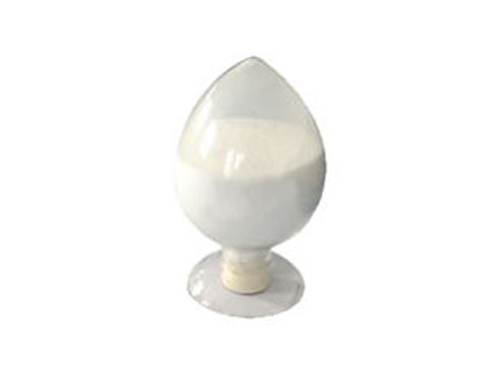
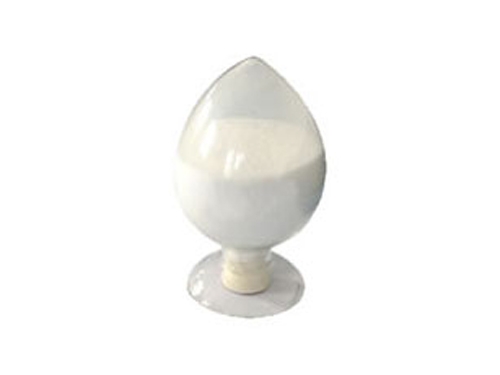
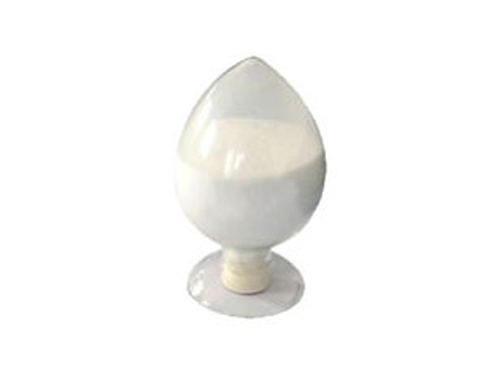
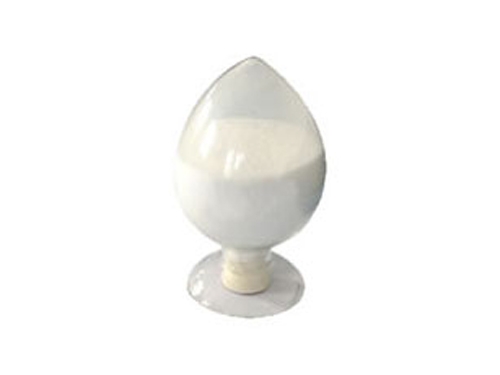
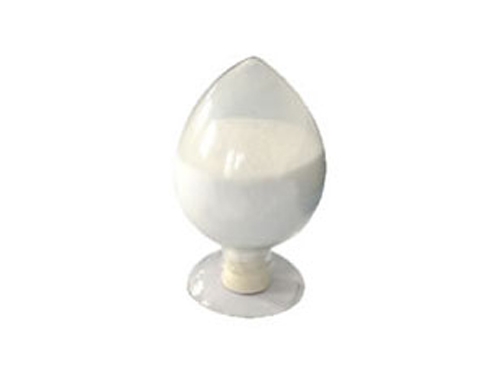
Ellagic acid is a naturally occurring polyphenolic compound classified as a hydrolyzable tannin, widely distributed in various fruits, nuts, and berries. Its molecular formula is C14H6O8, and it is uniquely identified by the CAS number 479-66-7. This white to pale yellow crystalline powder is characterized by its distinct chemical structure, featuring two lactone rings fused to a benzene ring system, which contributes significantly to its potent antioxidant properties.
The primary source of ellagic acid includes pomegranates, strawberries, raspberries, blackberries, walnuts, and grapes. Upon ingestion, the human body metabolizes this compound into urolithins, which are believed to mediate many of its biological effects. The most prominent application of ellagic acid lies in the nutraceutical and dietary supplement industries, where it is marketed for its potential health benefits. Extensive research suggests that ellagic acid possesses strong free radical scavenging capabilities, helping to combat oxidative stress and reduce cellular damage associated with aging and chronic diseases.
In the pharmaceutical sector, studies have investigated its anti-carcinogenic properties, indicating a possible role in inhibiting tumor growth and preventing DNA mutation. Furthermore, its anti-inflammatory and antimicrobial activities make it a valuable ingredient in cosmetic formulations designed to protect skin from UV radiation and environmental pollutants. It is also utilized in the food industry as a natural preservative to extend shelf life while enhancing nutritional value without synthetic additives. Despite its promising therapeutic potential, bioavailability remains a challenge due to poor absorption rates, prompting ongoing research into delivery systems like nanoparticles or liposomes to improve efficacy. Regulatory bodies generally recognize ellagic acid as safe for consumption within established limits, though clinical trials continue to validate specific dosage recommendations for treating particular conditions. As consumer demand shifts toward plant-based wellness solutions, ellagic acid stands out as a versatile bioactive molecule bridging traditional botany and modern science.






 (All Rights Reserved)