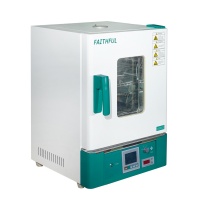
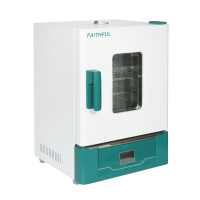
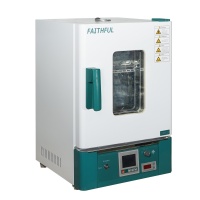
Product Description
please call me ,to know more
AI Product Description
*The following content is generated by AI and is for reference only.
The specialized industrial drying belt system described is a high-efficiency thermal processing unit designed primarily for the curing and drying of sensitive pigment-based coatings, inks, and specialized films. Its core function involves transporting materials through a controlled heating zone via a continuous, heat-resistant conveyor belt, ensuring uniform temperature distribution without direct contact that could damage delicate substrates. This equipment is widely utilized in sectors such as automotive painting, packaging printing, textile coating, and advanced material manufacturing where precise moisture removal and polymerization are critical for final product quality.
A key advantage of this technology lies in its ability to maintain consistent airflow and thermal profiles across the entire width of the belt, preventing issues like wrinkling, uneven curing, or color distortion often associated with traditional oven systems. The design typically incorporates advanced insulation materials and precision heating elements to maximize energy efficiency while minimizing thermal lag. Operators can adjust parameters such as belt speed, temperature zones, and air velocity to accommodate various material thicknesses and chemical compositions, making it highly versatile for diverse production runs.
However, strict adherence to safety protocols is essential during operation. Regular maintenance of the belt tensioning system and cleaning mechanisms is crucial to prevent residue buildup, which can lead to fire hazards or product contamination. Personnel must be trained to handle high-temperature components safely, wearing appropriate personal protective equipment at all times. Additionally, adequate ventilation is required to manage fumes generated by solvent evaporation, ensuring compliance with environmental and occupational health regulations. Before initiating any batch, operators should verify that the substrate is compatible with the maximum operating temperatures to avoid degradation. Proper calibration of sensors and control systems ensures optimal performance and extends the lifespan of the machinery. Ultimately, this system represents a vital component in modern manufacturing lines, balancing speed, precision, and safety to deliver superior finished goods.






 (All Rights Reserved)