Product Description
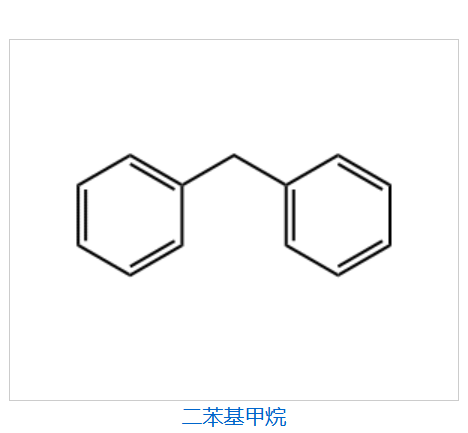
二苯基甲烷化学性质熔点:22-24°C(lit.)沸点:264°C(lit.)密度:1.006g/mLat25°C(lit.)堆积密度:1006kg/m3蒸气密度:5.79(vsair)蒸气压:230°F储存条件:Storebelow+30°C.溶解度:Solubleinethanol,ether,benzeneandchloroform.酸度系数(pKa):33.5(at25℃)形态:LowMeltingSolid
AI Product Description
*The following content is generated by AI and is for reference only.
Diphenylmethane, chemically known as methylenebisbenzene or simply diphenylmethane, is an organic compound characterized by two phenyl rings connected by a single methylene bridge. Its molecular formula is C₁₃H₁₂, and it carries the CAS Registry Number 101-81-5. This colorless to pale yellow solid possesses a mild aromatic odor and exhibits moderate solubility in common organic solvents while remaining largely insoluble in water. Structurally, it serves as a fundamental building block in organic synthesis, bridging simple benzene derivatives with more complex polymeric materials.
The primary industrial application of diphenylmethane lies in the production of polyurethanes. It acts as a crucial precursor for synthesizing diphenylmethane diisocyanate (MDI), a vital component used extensively in manufacturing rigid foams for insulation, flexible foams for furniture and automotive seating, adhesives, sealants, and elastomers. The demand for high-performance insulation in construction and energy-efficient appliances drives significant consumption of MDI derived from this parent compound. Beyond polyurethane chemistry, diphenylmethane finds utility as a solvent in specialized chemical processes and as an intermediate in the synthesis of pharmaceuticals, agrochemicals, and dyes. In research settings, it is often utilized to study reaction mechanisms involving aromatic substitution and radical stability due to its stable yet reactive methylene linkage.
Safety protocols are essential when handling diphenylmethane. While not classified as highly toxic, it can be irritating to the skin and eyes upon direct contact. Inhalation of dust or vapors should be avoided, and appropriate personal protective equipment, including gloves and eye protection, is recommended during laboratory or industrial processing. Proper ventilation systems must be employed to maintain air quality within safe limits. As with many aromatic hydrocarbons, environmental considerations dictate that disposal must adhere to local regulations to prevent soil and water contamination. Overall, diphenylmethane remains a cornerstone chemical in modern industry, underpinning the production of countless consumer goods through its versatile role as a synthetic intermediate. Its continued relevance underscores the importance of efficient chemical engineering in transforming basic hydrocarbons into advanced functional materials.


![8-Oxa-1,3-diazaspiro[4.5]decane-2,4-dione](https://eimg.pharmasources.com/image/product/20250403/60fa7223d5a34f24138486ceea0ffb15jpg)
![8,16-Diazadispiro[6.1.6.2]heptadecan-17-one](https://eimg.pharmasources.com/image/product/20250403/ca91cba8b87e53fc879f8d8764873a40jpg)
![6,8-Dioxo-5,7-diazaspiro[3.4]octane-2-carboxylic acid](https://eimg.pharmasources.com/image/product/20250403/02effeb5a7639bc84ff1f3add3c0c64fjpg)



 (All Rights Reserved)