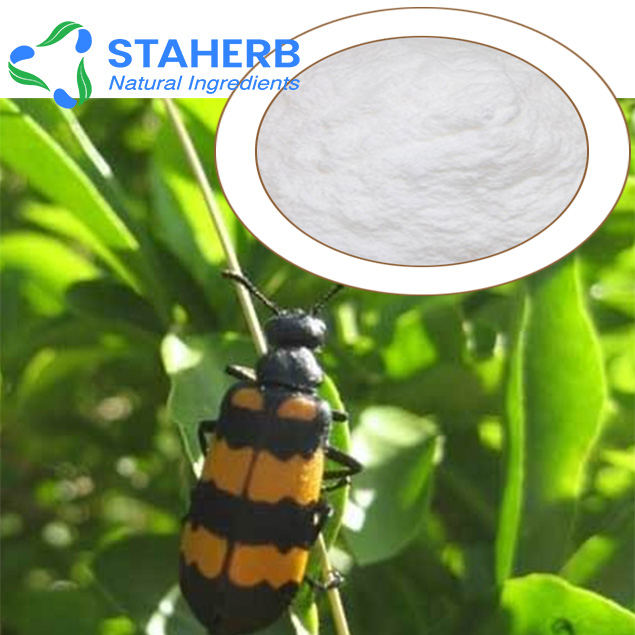
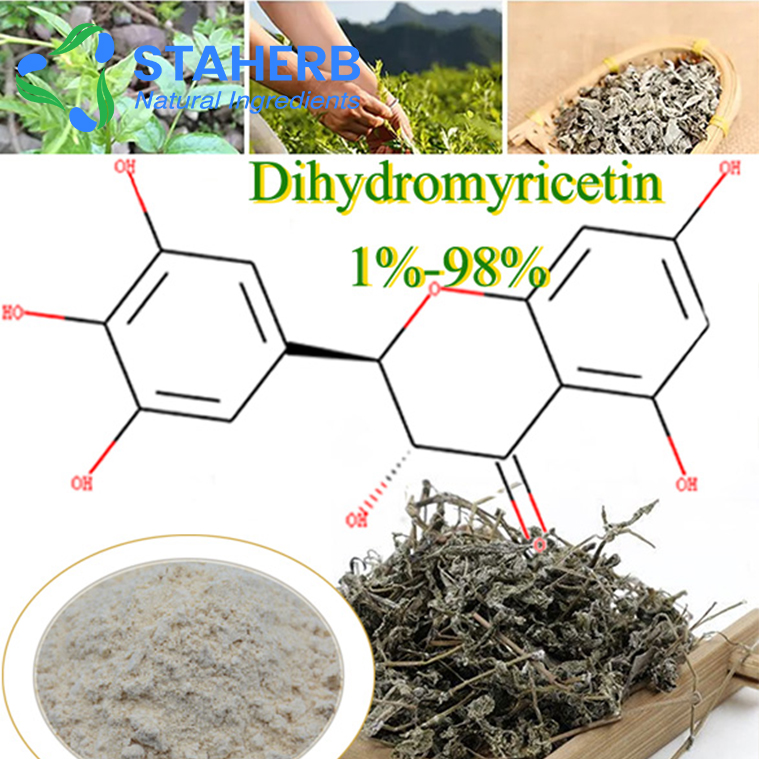
Name :Dihydromyricetin DMY Latin Name: Myrica rubra Bieb.et Zucc; Ampolopsis grossedentata W.T.Wang. Specification: Dihydromyricetin DMY25%,80%, 90% ,98% (HPLC) CAS No: 27200-12--0 Molecular weight: 320 Molecular formula: C15H12 O8
*The following content is generated by AI and is for reference only.
Dihydromyricetin (DMY), also known as Ampelopsin, is a naturally occurring flavanonol isolated primarily from the seeds and stems of the vine *Ampelopsis grossedentata*, commonly found in East Asia. With the chemical formula C15H12O7 and a molecular weight of approximately 304.25 g/mol, this polyphenolic compound has gained significant attention in modern pharmacology and functional food industries. Its unique structure features a hydroxyl group at the 3-position and a double bond between C2 and C3 that is saturated, distinguishing it from other flavonoids like quercetin or myricetin.
The primary application of Dihydromyricetin lies in its potent hepatoprotective properties. Extensive research indicates its ability to accelerate alcohol metabolism by enhancing the activity of enzymes such as aldehyde dehydrogenase and alcohol dehydrogenase, thereby reducing acetaldehyde accumulation and mitigating hangover symptoms. Beyond liver health, DMY exhibits strong antioxidant and anti-inflammatory effects, scavenging free radicals and inhibiting oxidative stress pathways linked to chronic diseases. Recent studies suggest potential benefits in managing metabolic disorders, including type 2 diabetes and obesity, by improving insulin sensitivity and regulating lipid profiles. Additionally, emerging evidence points to neuroprotective capabilities, offering hope for treating neurodegenerative conditions through the inhibition of neuronal apoptosis.
In the commercial sector, Dihydromyricetin serves as a key ingredient in dietary supplements designed for detoxification, weight management, and cognitive support. It is increasingly incorporated into beverages marketed as "hangover cures" and health foods targeting cardiovascular wellness. The compound is generally recognized as safe (GRAS) when consumed within recommended limits, making it suitable for widespread integration into daily nutrition regimens. As scientific understanding of its mechanisms deepens, Dihydromyricetin stands poised to become a cornerstone in natural medicine for preventing and managing lifestyle-related ailments. Its versatility spans from pharmaceutical development to nutraceutical formulations, highlighting its value as a multifunctional bioactive agent with broad therapeutic potential across various physiological systems.





 (All Rights Reserved)