Product Description
| 二苄胺 |
Dibenzylamine |
| CAS RN |
103-49-1 |
| Purity / Analysis Method |
>99.0%(GC) |
| Molecular Formula / Molecular Weight |
C14H15N = 197.28 |
| Physical State (20 deg.C) |
Liquid |
| Storage Temperature |
Room Temperature (Recommended in a cool and dark place, <15°C) |
| Appearance |
Colorless to Light yellow clear liquid |
| Boiling Point |
270 °C/250 mmHg |
| Flash point |
150 °C |
AI Product Description
*The following content is generated by AI and is for reference only.
Dibenzylamine is a versatile organic compound belonging to the class of secondary amines, widely utilized in chemical synthesis and industrial applications. Its molecular formula is C₁₄H₁₅N, reflecting its structure composed of two benzyl groups attached to a central nitrogen atom. The substance is identified by the CAS Registry Number 103-54-2, which serves as its unique numerical identifier for regulatory and scientific documentation purposes. At room temperature, dibenzylamine typically appears as a colorless to pale yellow liquid with a characteristic amine odor, though it may darken upon exposure to air or light due to oxidation.
This compound plays a pivotal role in the pharmaceutical industry as a key intermediate in the production of various drugs, including antihistamines, anti-inflammatory agents, and cardiovascular medications. Its nucleophilic properties make it an essential reagent for introducing benzylamino groups into complex molecular frameworks during heterocyclic synthesis. Beyond medicine, dibenzylamine finds significant application in agrochemical manufacturing, where it aids in the development of herbicides and fungicides designed to protect crops from pests and diseases. It also serves as a corrosion inhibitor and a stabilizer in polymer formulations, enhancing material durability under harsh environmental conditions.
In laboratory settings, researchers frequently employ dibenzylamine as a catalyst or base in organic reactions, particularly in condensation processes and alkylation reactions. Its solubility in common organic solvents such as ethanol, ether, and chloroform facilitates its integration into diverse synthetic protocols. However, handling this chemical requires appropriate safety precautions, as it can be irritating to the skin, eyes, and respiratory system. Proper ventilation and personal protective equipment are mandatory when working with this substance to ensure operator safety. Overall, dibenzylamine remains a critical building block in modern chemistry, bridging fundamental research with large-scale industrial production across multiple sectors ranging from healthcare to agriculture.
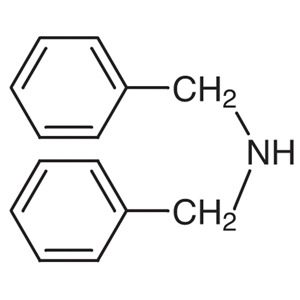



 (All Rights Reserved)
![5-Hydroxy-3,9-dimethyl-7H-benzo[c]fluoren-7-one](https://eimg.pharmasources.com/image/product/20250919/d01931f02fb1e7e8231c9933d73e3837jpg)

![3-Bromo-5-tert-butylbenzo[b]thiophene](https://eimg.pharmasources.com/image/product/20250919/742a9f6c2521018bdd155a4ef08a8873jpg)

![3-Iodo-5-tert-butylbenzo[b]thiophene](https://eimg.pharmasources.com/image/product/20250919/370cd976e4b82e45e310eab5fdf6b1f1jpg)
![Ethyl 5-methylbenzo[b]thiophene-2-carboxylate](https://eimg.pharmasources.com/image/product/20250919/bd4b4317408ace91b597157b395c106bjpg)