Product Description
| 对氟基苯甲腈(液体) |
4-fluorobenzonitrile |
| CAS RN |
1194-02-1 |
| Purity / Analysis Method |
>99.0%(GC) |
| Molecular Formula / Molecular Weight |
C7H4FN = 121.11 |
| Physical State (20 deg.C) |
Liquid |
| Storage Temperature |
Room Temperature (Recommended in a cool and dark place, <15°C) |
| Appearance |
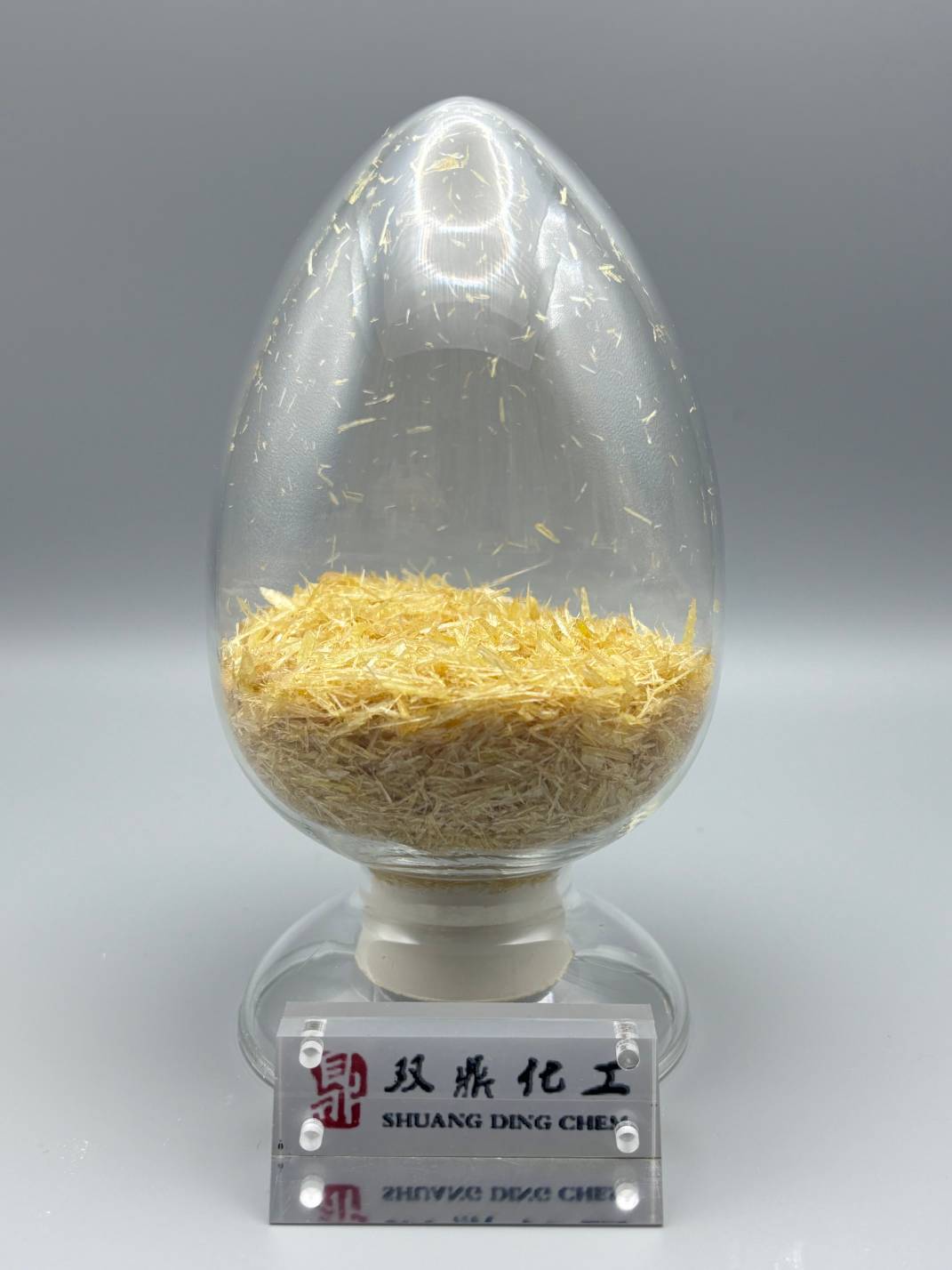
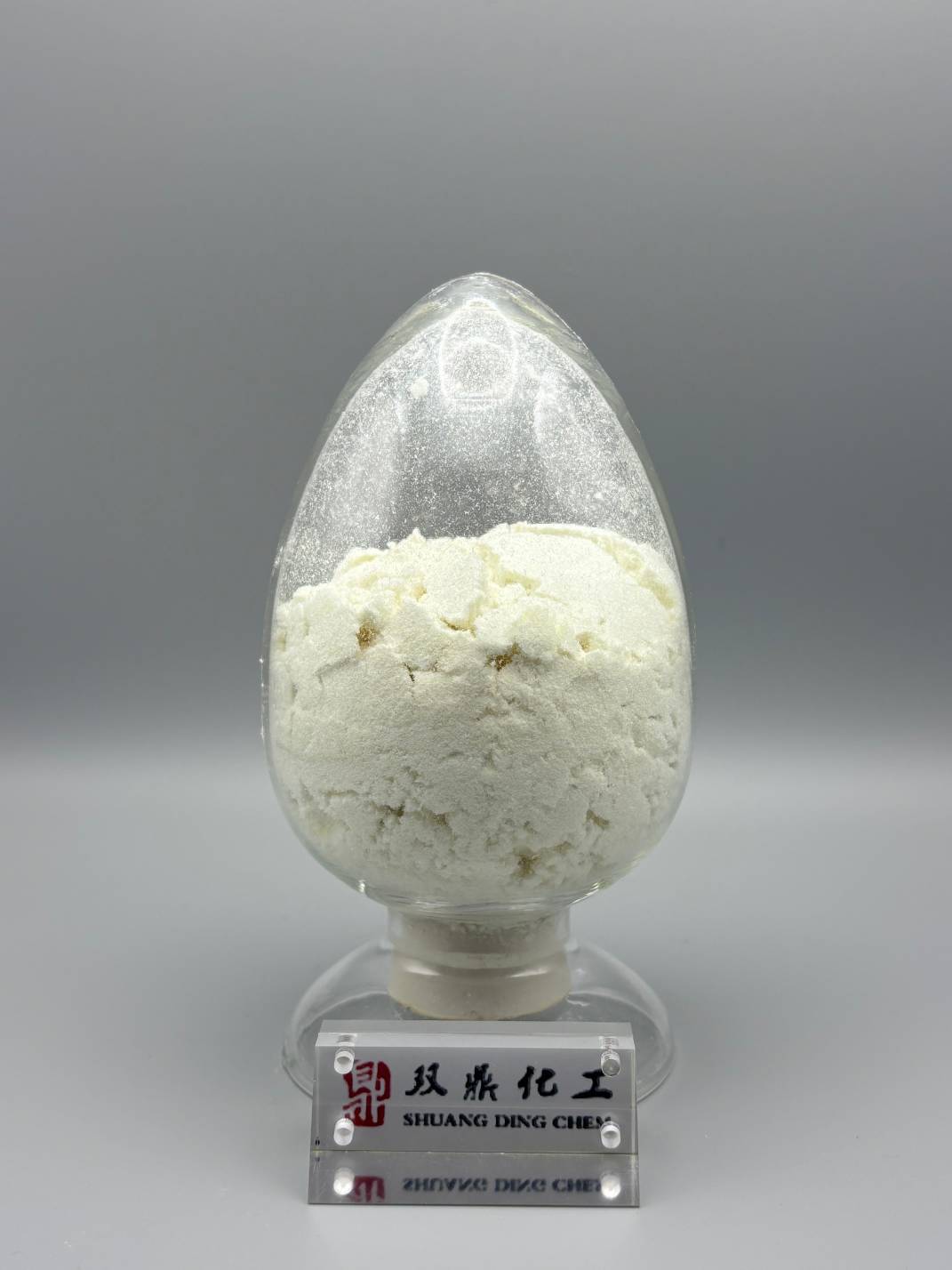
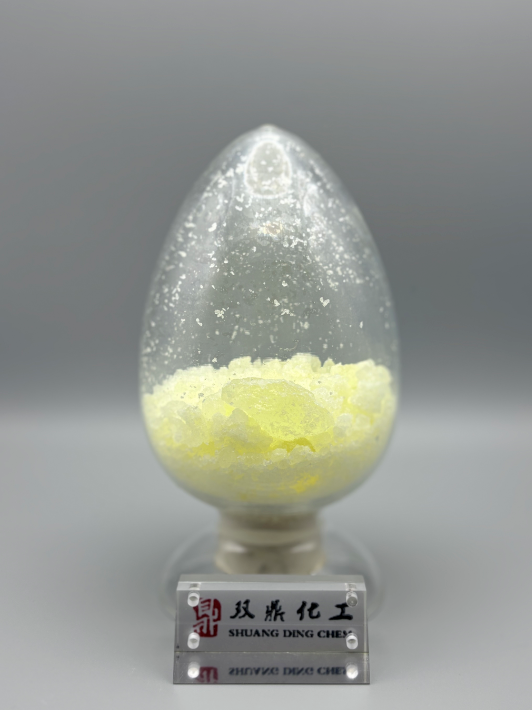
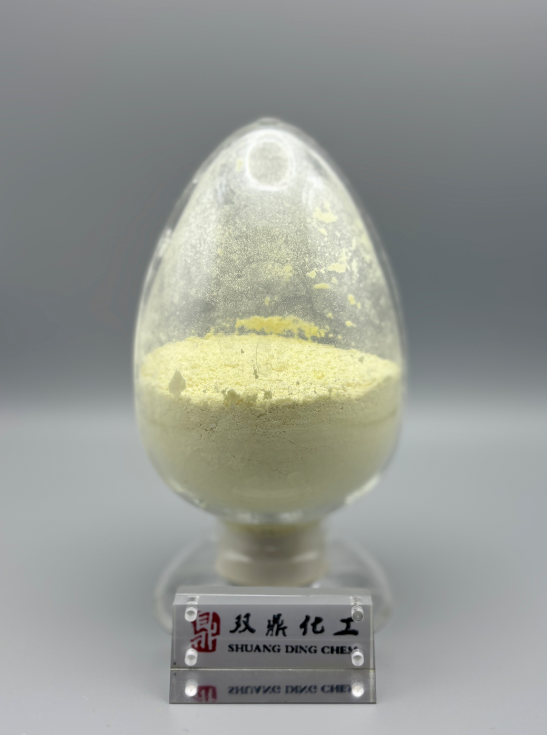
White or Colorless to Yellow powder to lump to clear liquid |
| Boiling Point |
188°C |
| Flash point |
65 °C |
AI Product Description
*The following content is generated by AI and is for reference only.
4-Fluorobenzonitrile, chemically known as p-fluorobenzonitrile, is a vital aromatic nitrile compound widely utilized in the pharmaceutical and agrochemical industries. With the molecular formula C7H4FN and a CAS registry number of 459-20-1, this white to off-white crystalline solid serves as a crucial building block for synthesizing complex organic molecules. Its distinct chemical structure, featuring a fluorine atom para-substituted on a benzonitrile ring, imparts unique electronic properties that enhance the metabolic stability and binding affinity of final drug candidates.
In the realm of medicinal chemistry, 4-fluorobenzonitrile acts as an essential intermediate for producing active pharmaceutical ingredients (APIs). It is frequently employed in nucleophilic substitution reactions to introduce fluorinated moieties into various heterocyclic systems, which are common in modern therapeutics targeting cardiovascular diseases, central nervous system disorders, and oncology. The presence of the fluorine atom often improves the lipophilicity and bioavailability of the resulting compounds, making them more effective against specific biological targets. Furthermore, this reagent is indispensable in the synthesis of liquid crystals and advanced materials used in display technologies, where its thermal stability and optical properties are highly valued.
From a manufacturing perspective, 4-fluorobenzonitrile is typically produced via the Sandmeyer reaction or direct cyanation of fluorobenzene derivatives. It is soluble in common organic solvents such as ethanol, ether, and dichloromethane but exhibits low solubility in water. Safety protocols dictate careful handling due to potential skin irritation and toxicity upon ingestion or inhalation. As global demand for novel drugs and high-performance materials grows, the strategic importance of 4-fluorobenzonitrile in supply chains remains paramount. Researchers and industrial chemists rely on its versatility to accelerate development cycles, ensuring the rapid translation of laboratory discoveries into viable commercial products. Whether serving as a precursor for pesticide formulations or a key component in polymer science, this compound continues to underpin innovation across multiple scientific disciplines, driving progress in healthcare and technology sectors worldwide.






 (All Rights Reserved)



![6,8-Dioxo-5,7-diazaspiro[3.4]octane-2-carboxylic acid](https://eimg.pharmasources.com/image/product/20250403/02effeb5a7639bc84ff1f3add3c0c64fjpg)



![8,16-Diazadispiro[6.1.6.2]heptadecan-17-one](https://eimg.pharmasources.com/image/product/20250403/ca91cba8b87e53fc879f8d8764873a40jpg)
![8-Oxa-1,3-diazaspiro[4.5]decane-2,4-dione](https://eimg.pharmasources.com/image/product/20250403/60fa7223d5a34f24138486ceea0ffb15jpg)