Product Description
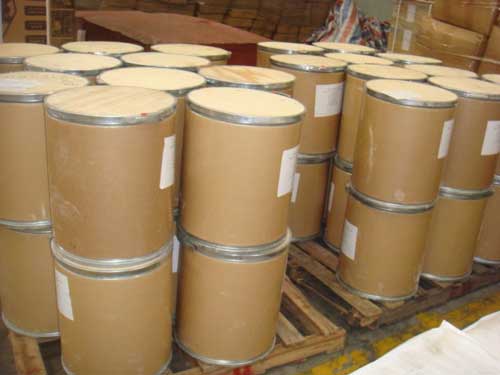
Deslorelin supplier API Pharmaceutical Polypeptide made in china 57773-65-6
AI Product Description
*The following content is generated by AI and is for reference only.
Deslorelin is a synthetic decapeptide analog of gonadotropin-releasing hormone (GnRH), widely utilized in veterinary medicine and pharmaceutical research. Its molecular formula is C60H85N19O12, with a molecular weight of approximately 1347.5 g/mol. The substance is identified by CAS number 78004-98-3. Unlike natural GnRH, Deslorelin features a substitution at the sixth position where L-glutamic acid is replaced by D-pyroglutamic acid, and the C-terminal glycine amide is modified to enhance stability and potency. This structural modification grants it a significantly longer half-life and higher affinity for GnRH receptors compared to the native hormone.
Primarily manufactured in China by specialized API suppliers, Deslorelin serves as a critical active pharmaceutical ingredient for treating reproductive disorders in animals. It acts as a potent agonist that initially stimulates the release of luteinizing hormone (LH) and follicle-stimulating hormone (FSH) from the pituitary gland. With continuous administration, however, it leads to receptor desensitization and downregulation, effectively suppressing gonadal steroidogenesis. This mechanism makes it invaluable for chemical castration in companion animals, such as dogs and cats, to manage behaviors like roaming, aggression, and marking, as well as for controlling benign prostatic hyperplasia. Additionally, it is employed in livestock management to regulate estrus cycles and improve breeding efficiency. Pharmaceutical-grade Deslorelin supplied globally adheres to strict quality control standards, ensuring high purity suitable for implantable slow-release formulations or injectable solutions. As a polypeptide product, it requires specific storage conditions to maintain bioactivity. Its role extends beyond clinical applications into scientific research regarding the hypothalamic-pituitary-gonadal axis, making it a versatile compound in endocrinology.





 (All Rights Reserved)



![(3R)-3-Amino-1-[3-(Trifluoromethyl)-5,6,7,8-Tetrahydro-1,2,4-Triazolo[4,3-A]Pyrazin-7-yl]-4-(2,4,5-T](https://eimg.pharmasources.com/image/product/20250402/e43f5153f3b91f760fdee40247460568jpg)

![3-(Trifluoromethyl)-5,6,7,8-Tetrahydro-[1,2,4]Triazolo[4,3-a]Pyrazine HCL](https://eimg.pharmasources.com/image/product/20250402/8ae4dd18f1fe219e41ad63ce9b3306d7jpg)

![4-[[[[6-[(Diethylamino)methyl]-2-naphthalenylmethoxy]carbonyllaminolbenzoic acid](https://eimg.pharmasources.com/image/20241206/xJCFsdgfMrHzqjtgeOixhGQHgVbKi7kAcoEqemzE.jpg)