Product Description
GMP & DMF available.
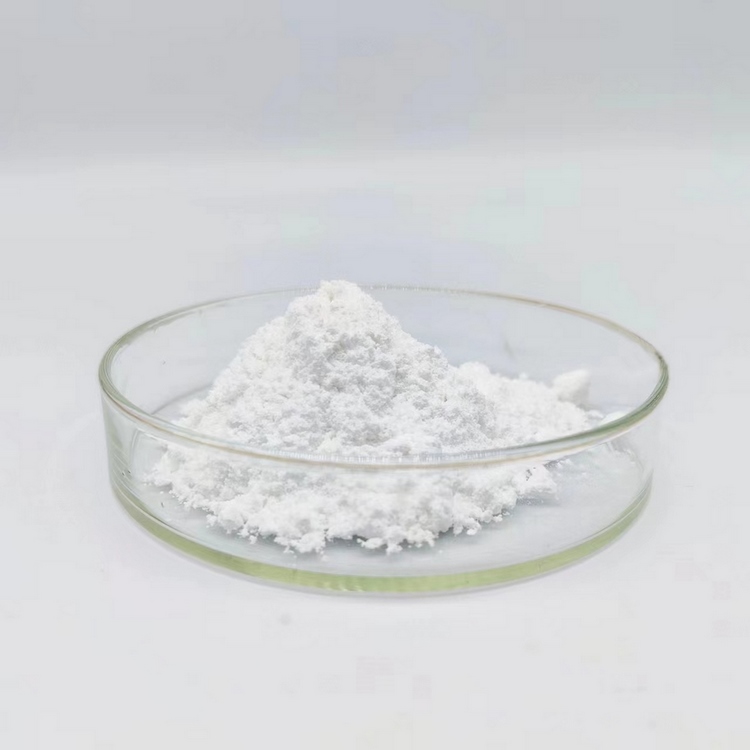
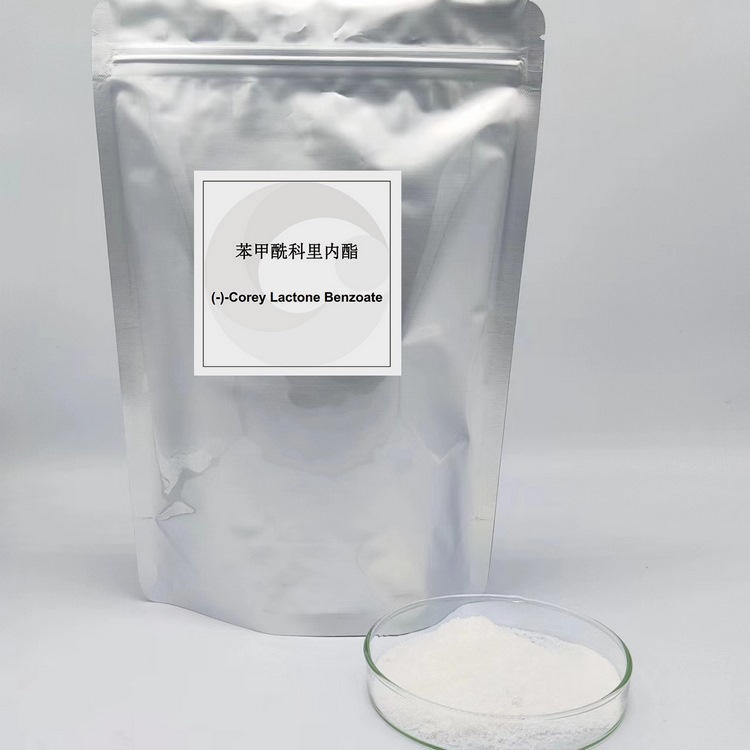
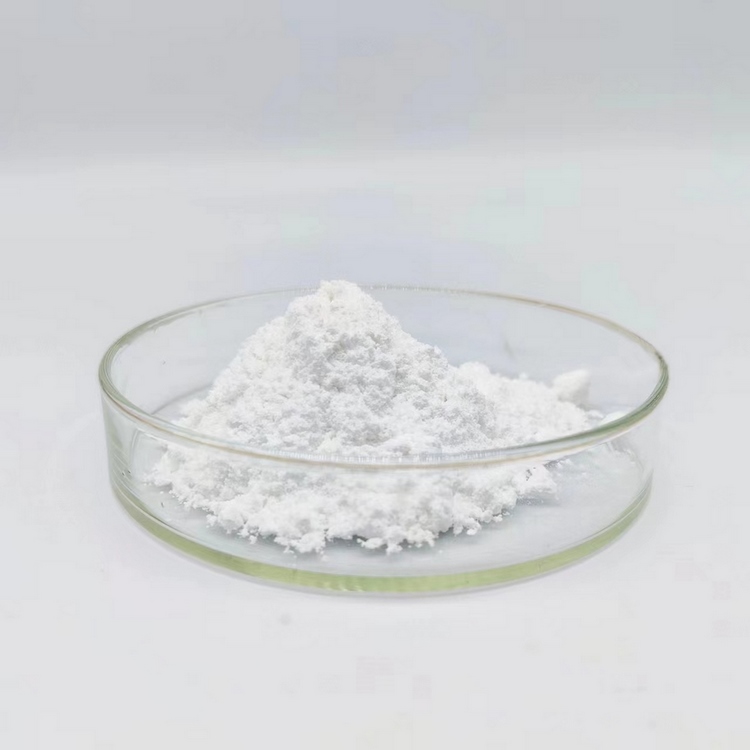
Denaverine HCL API serves as the active pharmaceutical ingredient (API) of Denaverine HCL medication. The production of Denaverine HCL API involves a series of meticulous steps to ensure the compound's purity, quality, and consistency, meeting the necessary standards for its safe and effective use.
AI Product Description
*The following content is generated by AI and is for reference only.
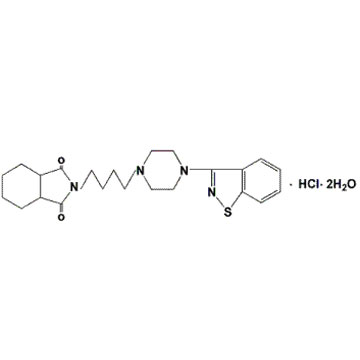
Denaverine Hydrochloride is a synthetic antispasmodic agent primarily utilized in the management of gastrointestinal disorders characterized by smooth muscle hyperactivity. Chemically known as 1-(2,3-dimethylphenyl)-4-[3-(dimethylamino)propyl]piperazine dihydrochloride, this compound functions as a potent myotropic drug that directly relaxes smooth muscle tissue within the digestive tract. Its molecular formula is C20H33ClN4O, and it is uniquely identified by the CAS Registry Number 6797-08-8. The hydrochloride salt form ensures optimal solubility and bioavailability for oral administration, making it a standard choice in clinical formulations for acute abdominal pain relief.
The primary therapeutic application of Denaverine Hydrochloride centers on alleviating symptoms associated with functional bowel disorders, such as irritable bowel syndrome (IBS), intestinal colic, and spastic constipation. By selectively inhibiting calcium influx into smooth muscle cells, the drug effectively reduces involuntary contractions without significantly affecting normal peristalsis at therapeutic doses. This mechanism distinguishes it from other anticholinergics, offering targeted relief with a potentially improved side-effect profile regarding dry mouth or blurred vision, although individual patient responses may vary. It is frequently prescribed for patients experiencing severe cramping, bloating, and discomfort resulting from spasms in the stomach, intestines, or biliary tract.
Beyond its use in gastroenterology, Denaverine Hydrochloride has historically been explored for its potential efficacy in treating urinary tract spasms and biliary colic due to its broad smooth muscle relaxing properties. However, its clinical dominance remains strongest in managing lower gastrointestinal distress. As a prescription medication, it is typically administered in tablet form, with dosage regimens adjusted based on symptom severity and patient tolerance. While generally well-tolerated, healthcare providers monitor for potential adverse effects including dizziness, nausea, or tachycardia, particularly in elderly populations or those with pre-existing cardiovascular conditions. Overall, Denaverine Hydrochloride represents a valuable pharmacological tool for restoring gastrointestinal motility balance and enhancing patient quality of life during episodes of acute visceral pain.





 (All Rights Reserved)