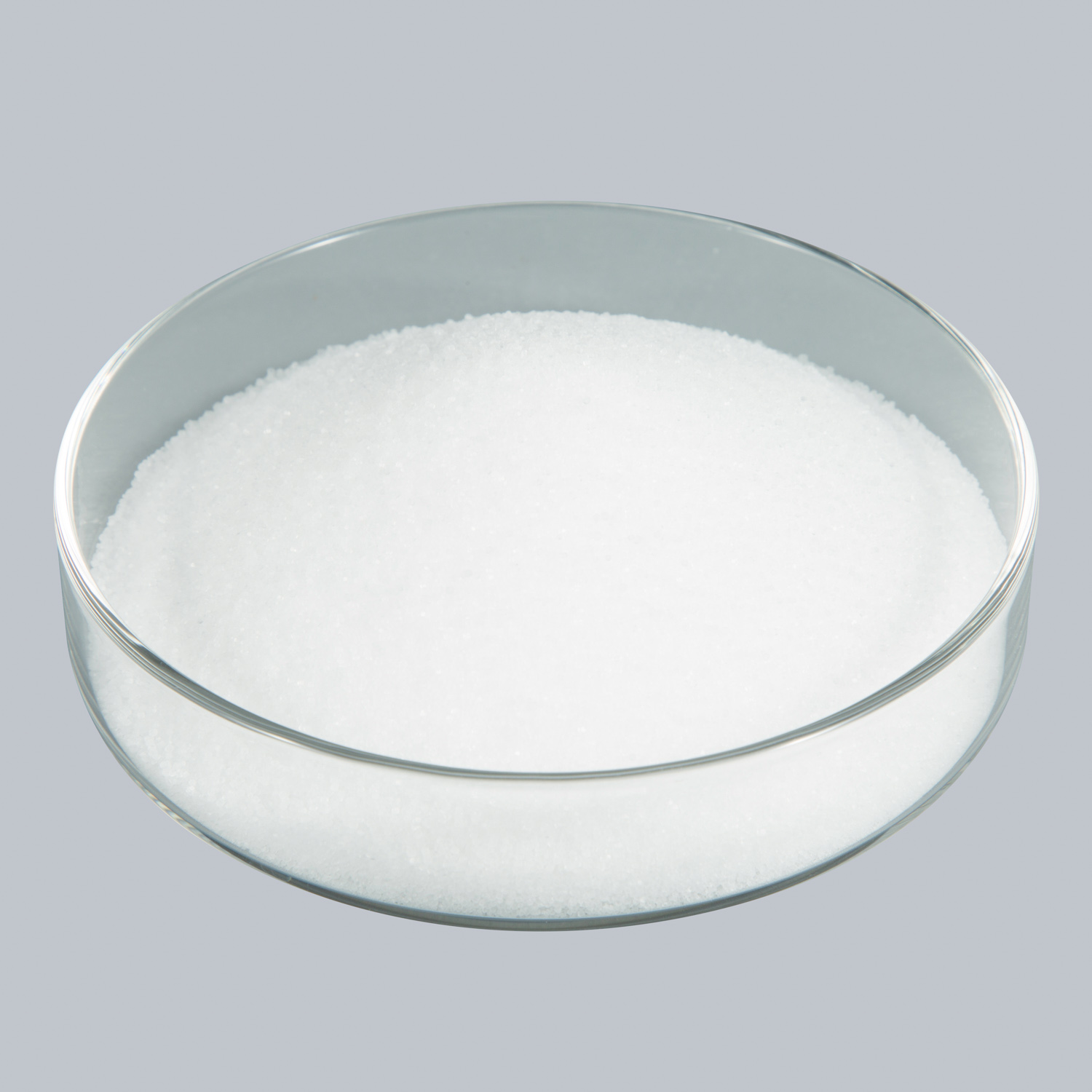
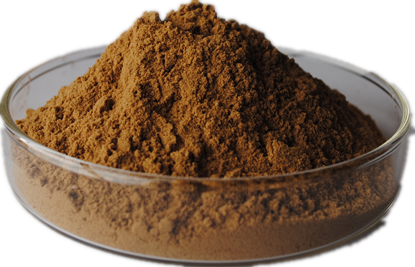
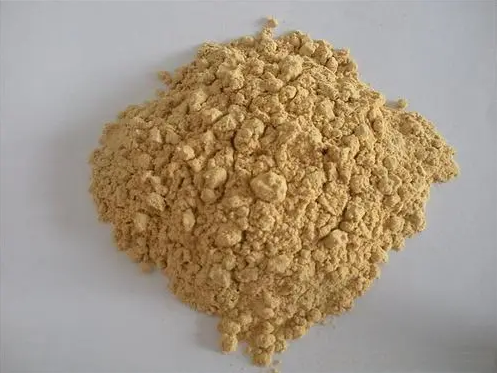
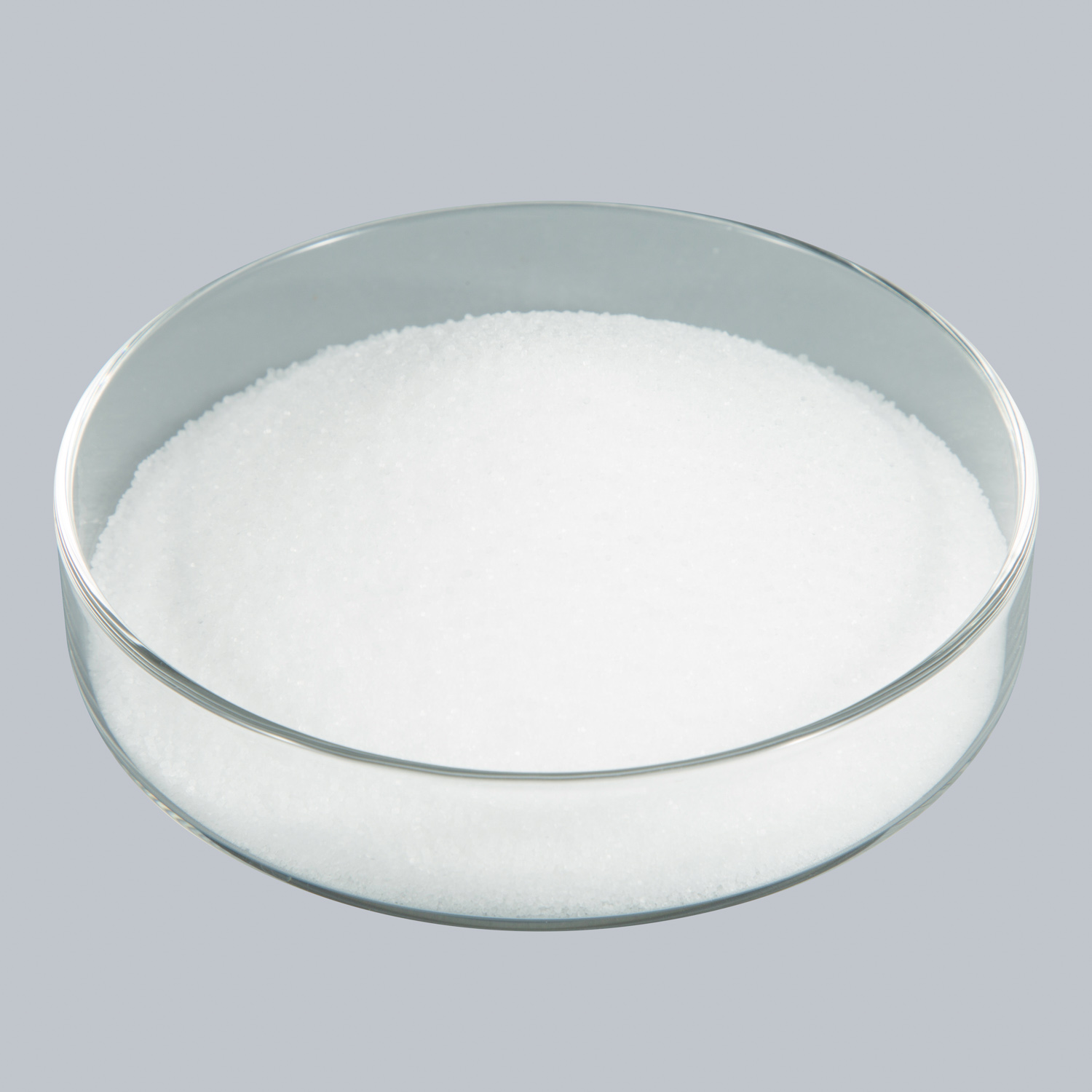
Product Description
please call me ,to know more
AI Product Description
*The following content is generated by AI and is for reference only.
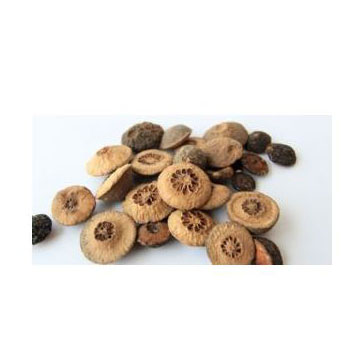
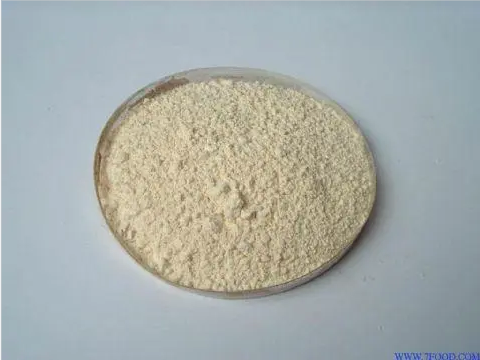
Dehydrotrametenolic acid is a naturally occurring triterpenoid compound isolated primarily from the medicinal fungus *Trametes versicolor*, commonly known as turkey tail. It represents a significant derivative of trametenolic acid, distinguished by an additional double bond within its molecular structure, which enhances its chemical reactivity and potential biological activities. The molecular formula for dehydrotrametenolic acid is C30H46O3, reflecting its complex pentacyclic skeleton typical of oleanane-type triterpenes. Its unique structural configuration includes a carboxylic acid group at position 28 and hydroxyl groups at positions 3 and 19, contributing to its amphiphilic properties and solubility characteristics.
The CAS number assigned to this specific bioactive molecule is 527-95-9, serving as a critical identifier for researchers, pharmacologists, and regulatory bodies in cataloging and safety assessments. As a secondary metabolite produced by fungal metabolism, dehydrotrametenolic acid has attracted considerable attention in the fields of natural product chemistry and drug discovery due to its diverse pharmacological profiles. Extensive in vitro and in vivo studies suggest that this compound possesses potent anti-inflammatory, antioxidant, and hepatoprotective effects. Furthermore, emerging research indicates promising antitumor and immunomodulatory capabilities, potentially making it a valuable candidate for adjuvant cancer therapies or treatments for chronic inflammatory conditions.
In the pharmaceutical industry, dehydrotrametenolic acid is utilized as a reference standard for quality control and as a lead compound for synthesizing novel derivatives with improved bioavailability. While currently more prevalent in academic research than commercial applications, its isolation from traditional herbal medicines underscores its historical significance in ethnomedicine. Future developments may focus on optimizing extraction methods to scale production and conducting rigorous clinical trials to validate its therapeutic efficacy and safety profile. Overall, dehydrotrametenolic acid stands out as a versatile phytochemical agent bridging the gap between traditional mycotherapy and modern evidence-based medicine, offering exciting prospects for future therapeutic innovations.




 (All Rights Reserved)