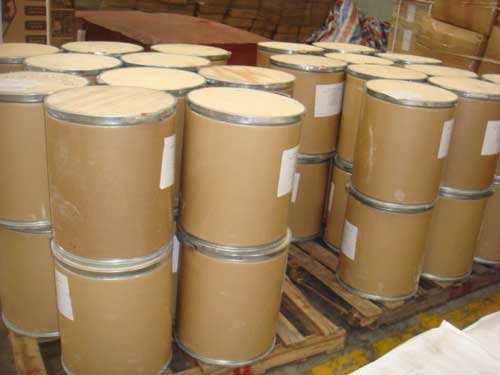
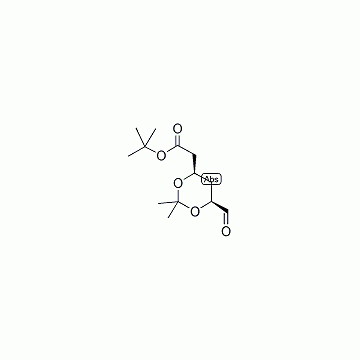
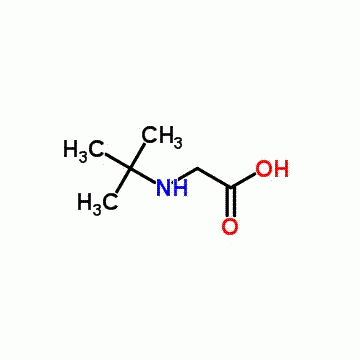
D-Pyrrolidine-2-carboxylic acid AJI92 Amino acid made in china 344-25-2
AI Product Description
*The following content is generated by AI and is for reference only.
D-Pyrrolidine-2-carboxylic acid, commercially known as AJI92 and widely produced in China, is a specialized chiral building block derived from the amino acid proline. With the molecular formula C5H9NO2 and CAS Registry Number 3786-41-0, this compound represents the D-enantiomer of pyrrolidine-2-carboxylic acid. Unlike its more common L-isomer, which serves as a standard proteinogenic amino acid, the D-form plays a critical role in advanced organic synthesis and pharmaceutical development due to its unique stereochemical properties.
The primary application of AJI92 lies in the asymmetric synthesis of complex bioactive molecules. It is frequently utilized as a chiral catalyst or auxiliary agent in the construction of peptidomimetics, where it helps induce specific stereoselectivity during chemical reactions. In the pharmaceutical industry, this amino acid derivative is essential for synthesizing novel antibiotics, antiviral agents, and anti-inflammatory drugs that require precise three-dimensional structures to achieve therapeutic efficacy. Furthermore, its rigid cyclic structure makes it valuable in materials science for developing functional polymers with tailored mechanical and thermal properties.
Produced in China by leading chemical manufacturers, AJI92 is available in high purity grades suitable for both research laboratories and industrial-scale production. The manufacturing process typically involves enzymatic resolution or asymmetric hydrogenation techniques to ensure the strict retention of chirality, meeting international quality standards such as ISO and GMP. Its stability under various reaction conditions allows chemists to incorporate it into multi-step synthetic pathways without significant degradation. As the demand for enantiopure compounds grows globally, D-Pyrrolidine-2-carboxylic acid remains a vital reagent for advancing drug discovery and creating next-generation biomaterials. Researchers and formulators rely on this versatile intermediate to solve complex stereochemical challenges, driving innovation across the life sciences sector while supporting sustainable chemical manufacturing practices in Asia.