Product Description
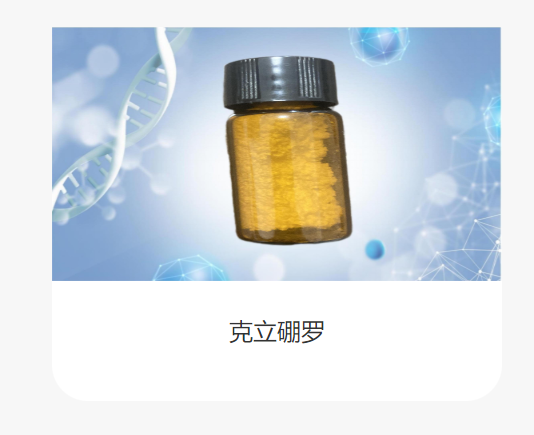
克立硼罗化学性质熔点:>130°C(softened)沸点:425.9±55.0°C(Predicted)密度:1.33±0.1g/cm3(Predicted)储存条件:roomtemChemicalbookp溶解度:DMSO(Slightly),Methanol(Slightly)形态:powder酸度系数(pKa):7.00±0.20(Predicted)颜色:whitetobeige
AI Product Description
*The following content is generated by AI and is for reference only.
Crisaborole is a novel, non-steroidal phosphodiesterase 4 (PDE4) inhibitor approved for the topical treatment of mild to moderate atopic dermatitis in patients aged three months and older. Its molecular formula is C18H15N3O2S, and it is uniquely identified by the CAS number 960728-28-1. Structurally, Crisaborole features a benzoxazole core substituted with a thiazole ring, a configuration that enables high specificity for PDE4 enzymes without significant systemic absorption when applied topically.
The primary mechanism of action involves inhibiting PDE4, an enzyme responsible for breaking down cyclic adenosine monophosphate (cAMP). By blocking this degradation, Crisaborole increases intracellular cAMP levels within inflammatory cells such as T-cells, macrophages, and mast cells. Elevated cAMP concentrations subsequently suppress the production of key pro-inflammatory cytokines, including tumor necrosis factor-alpha (TNF-α), interleukin-4 (IL-4), and interferon-gamma (IFN-γ). This targeted anti-inflammatory pathway effectively reduces skin redness, itching, and swelling associated with atopic dermatitis flares.
Unlike traditional corticosteroids, Crisaborole does not cause skin thinning, striae, or adrenal suppression, making it a preferred option for long-term management, particularly on sensitive areas like the face, neck, and intertriginous zones. It is available as a 2% ointment formulation designed for twice-daily application. Clinical studies have demonstrated its efficacy in improving both signs and symptoms of eczema while maintaining a favorable safety profile. Common side effects are generally mild and localized, most frequently presenting as transient application site reactions such as burning, stinging, or pain. Due to its non-hormonal nature, Crisaborole represents a significant therapeutic advancement for pediatric and adult populations seeking effective, steroid-sparing control over chronic inflammatory skin conditions. Its development marks a shift toward more targeted immunomodulatory therapies in dermatology, offering relief where previous treatments carried higher risks of adverse systemic or local effects.


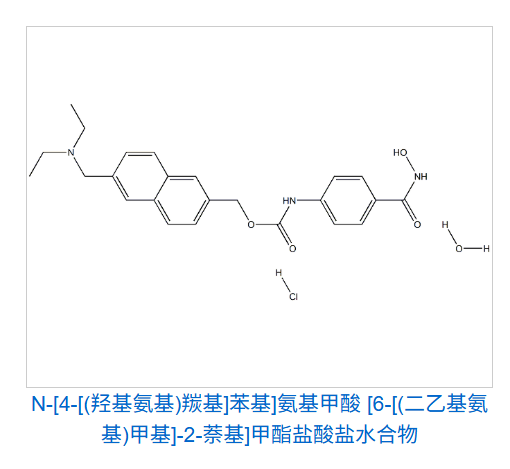
![8-Oxa-1,3-diazaspiro[4.5]decane-2,4-dione](https://eimg.pharmasources.com/image/product/20250403/60fa7223d5a34f24138486ceea0ffb15jpg)
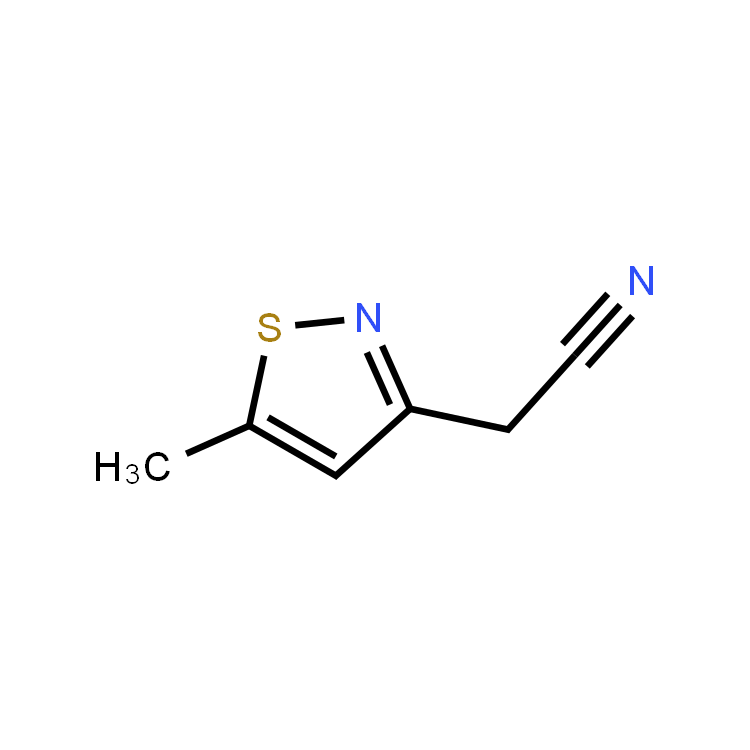
![6,8-Dioxo-5,7-diazaspiro[3.4]octane-2-carboxylic acid](https://eimg.pharmasources.com/image/product/20250403/02effeb5a7639bc84ff1f3add3c0c64fjpg)
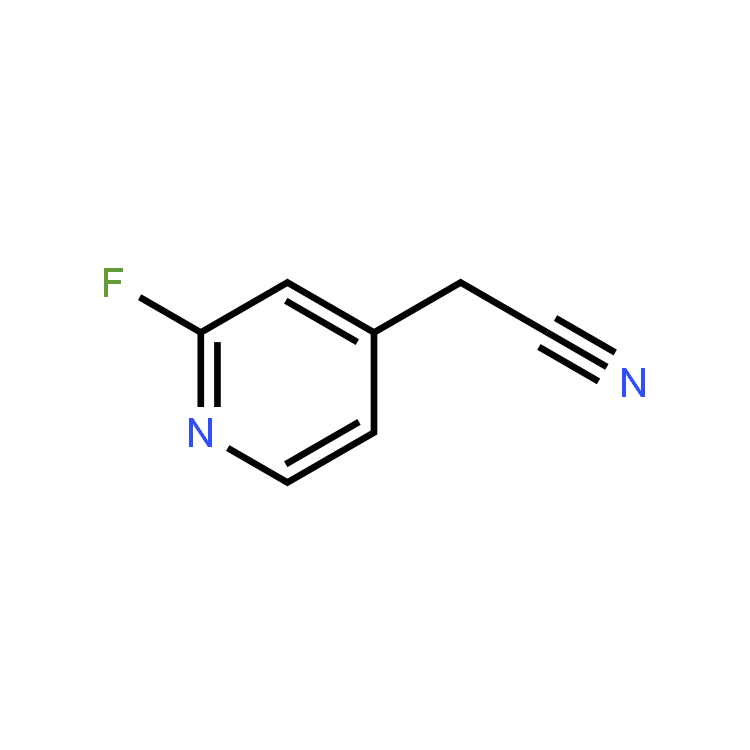
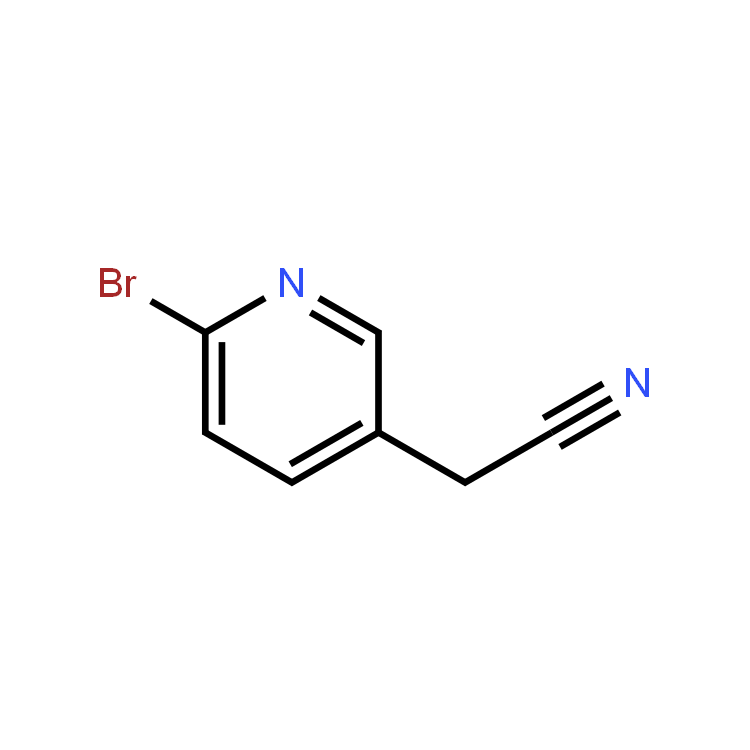
![8,16-Diazadispiro[6.1.6.2]heptadecan-17-one](https://eimg.pharmasources.com/image/product/20250403/ca91cba8b87e53fc879f8d8764873a40jpg)



 (All Rights Reserved)