Product Description
please call me ,to know more
AI Product Description
*The following content is generated by AI and is for reference only.
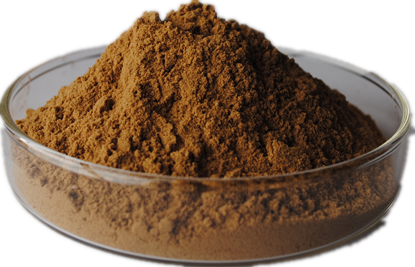
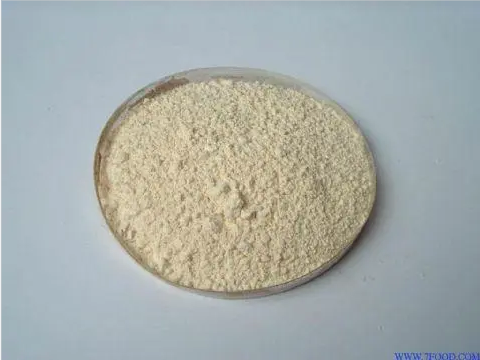
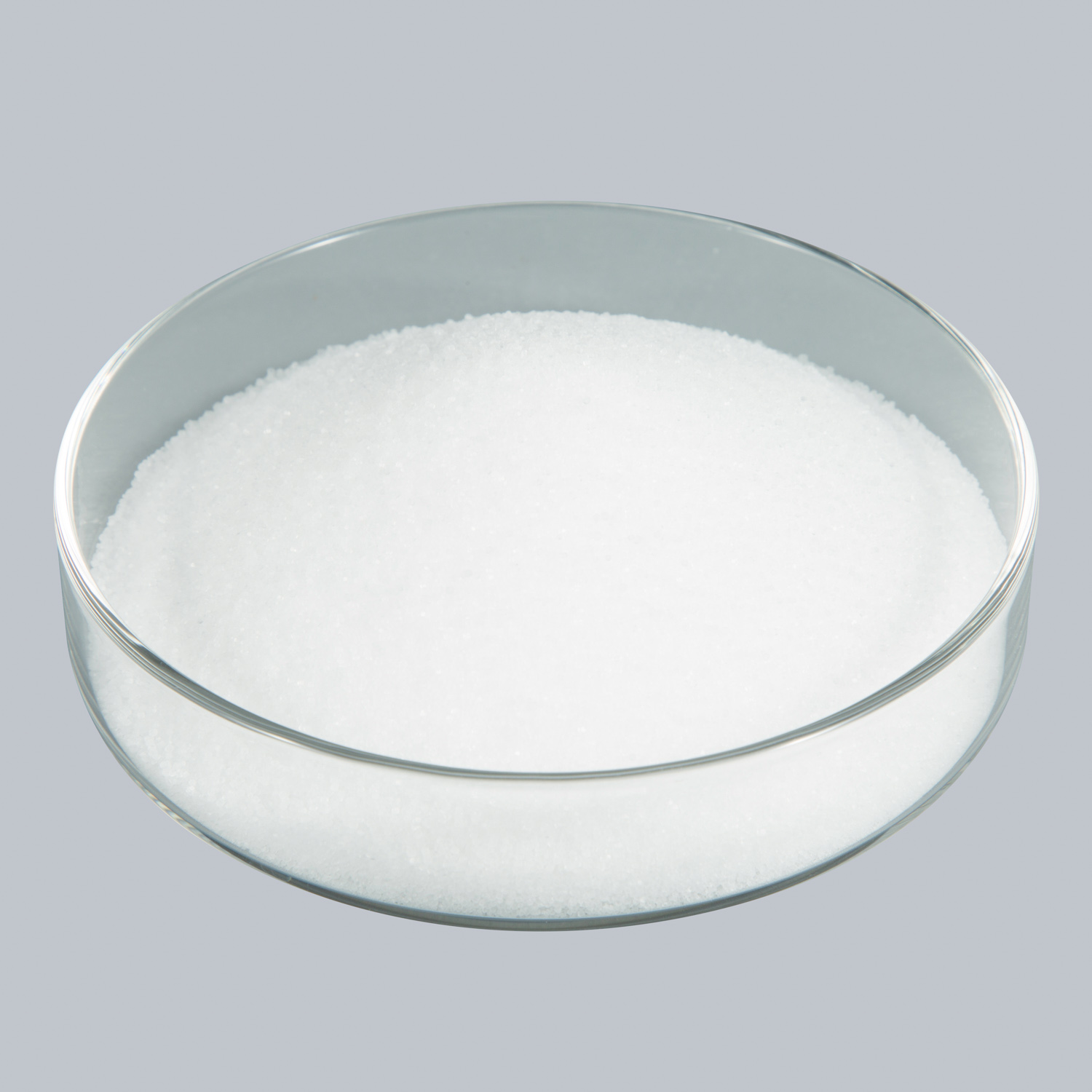
Corilagin is a naturally occurring ellagitannin, a type of hydrolyzable tannin, primarily isolated from medicinal plants such as *Phyllanthus niruri* (commonly known as Chanca Piedra), *Terminalia chebula*, and *Elaeagnus angustifolia*. Its molecular formula is C27H28O19, corresponding to a molecular weight of approximately 604.5 g/mol. The compound is characterized by a complex structure featuring a glucose core esterified with gallic acid and hexahydroxydiphenoyl groups, which contributes significantly to its potent biological activities. The Chemical Abstracts Service (CAS) registry number for Corilagin is 1187-36-2, serving as a unique identifier for its chemical and regulatory documentation globally.
In the pharmaceutical and nutraceutical industries, Corilagin is highly valued for its diverse pharmacological properties. Extensive research indicates that it possesses strong anti-inflammatory, antioxidant, hepatoprotective, and antiviral effects. Specifically, it has demonstrated significant potential in protecting liver cells against damage induced by toxins or viral infections, making it a subject of interest in treating hepatitis and other hepatic disorders. Furthermore, studies suggest that Corilagin may inhibit the growth of various cancer cell lines and modulate immune responses, highlighting its therapeutic versatility.
Beyond medicine, Corilagin is increasingly utilized in cosmetic formulations due to its ability to scavenge free radicals and reduce skin inflammation. It helps improve skin barrier function and offers protection against UV-induced oxidative stress. In the food industry, while less common as a direct additive, it serves as a functional component in traditional herbal preparations and health supplements aimed at boosting overall vitality and detoxification. As a natural bioactive molecule, Corilagin represents a promising candidate for drug development, particularly in creating novel treatments for chronic inflammatory conditions and metabolic diseases. Its safety profile and efficacy derived from centuries of traditional use further support its integration into modern evidence-based therapies. Ongoing clinical investigations continue to explore its mechanisms of action and optimal dosing strategies, solidifying its status as a valuable asset in global health solutions.






 (All Rights Reserved)