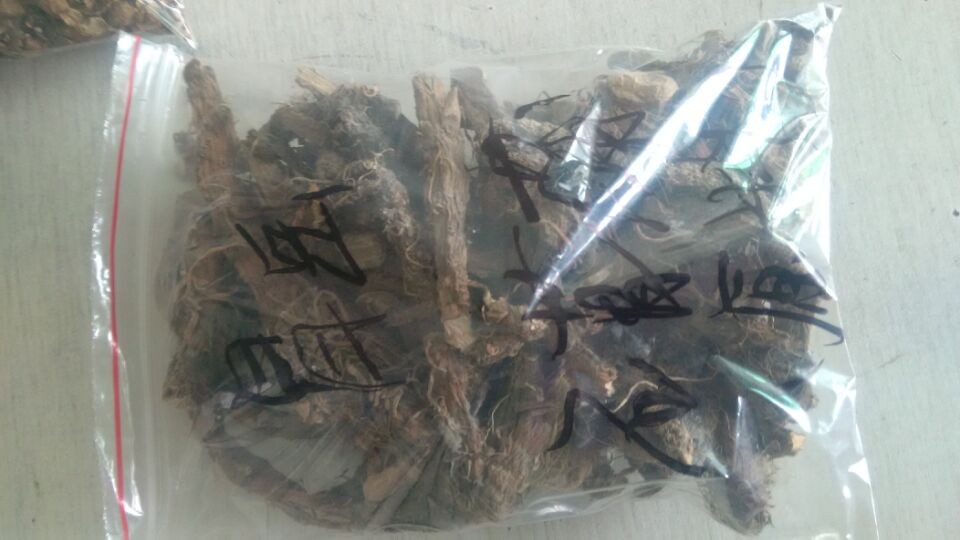
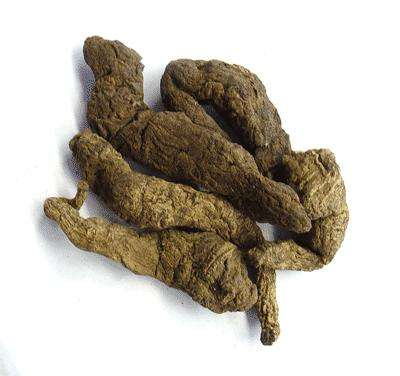
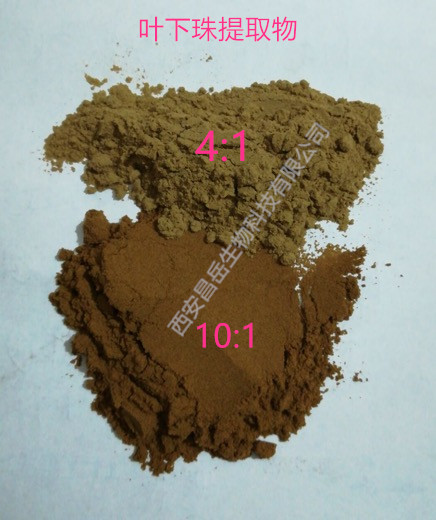
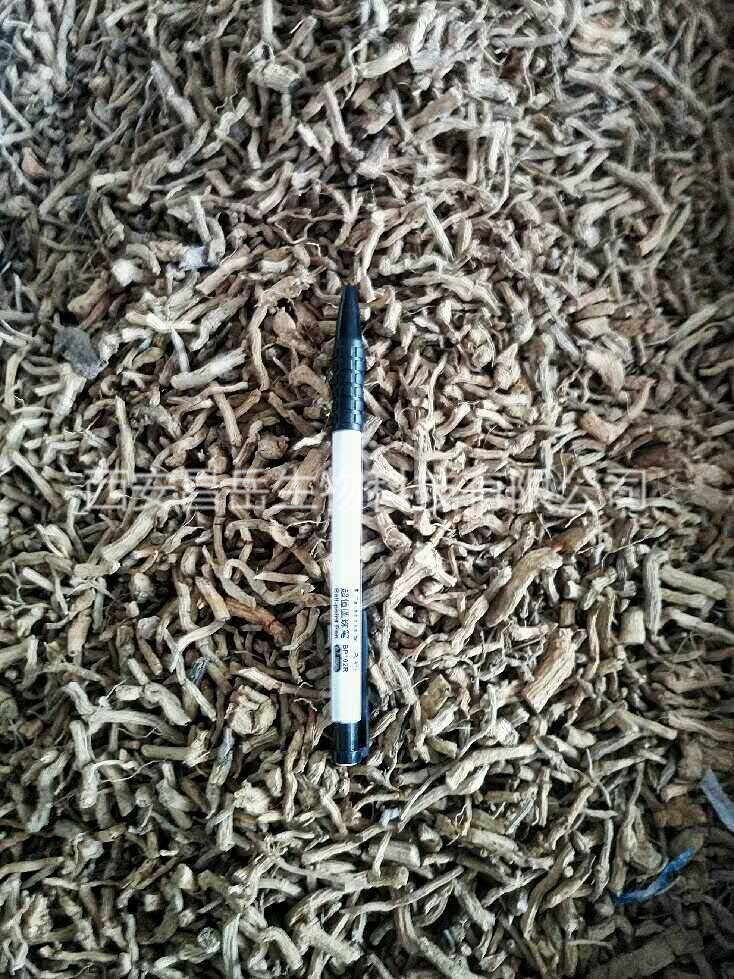
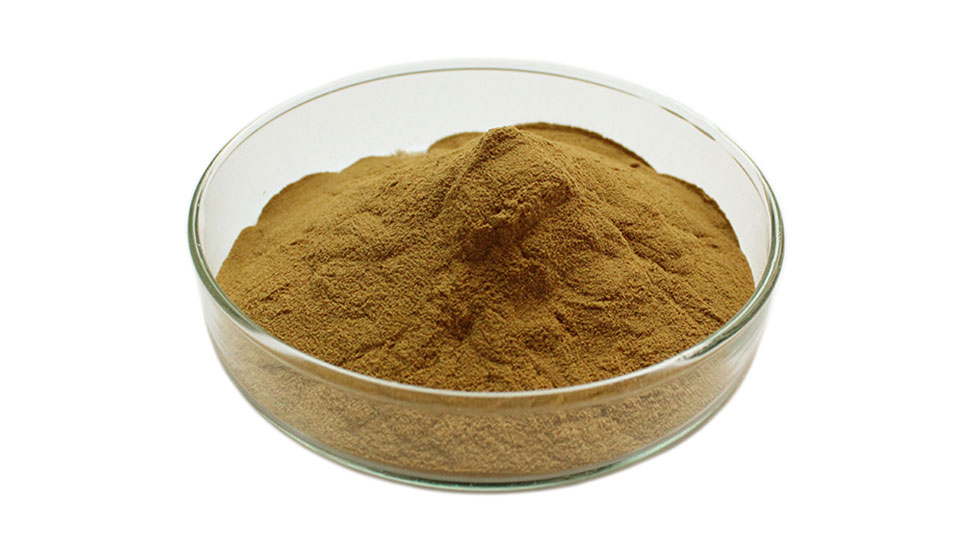
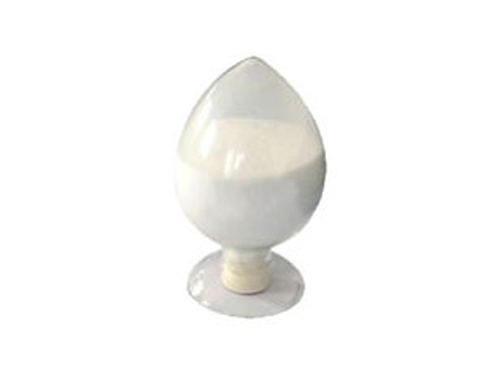
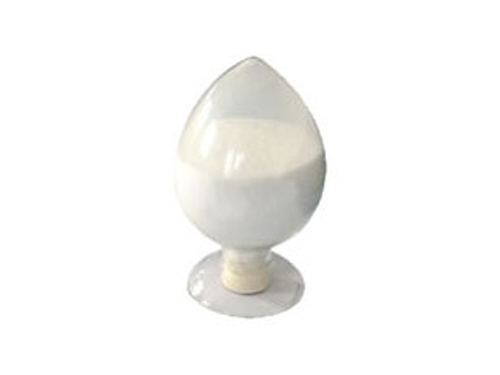
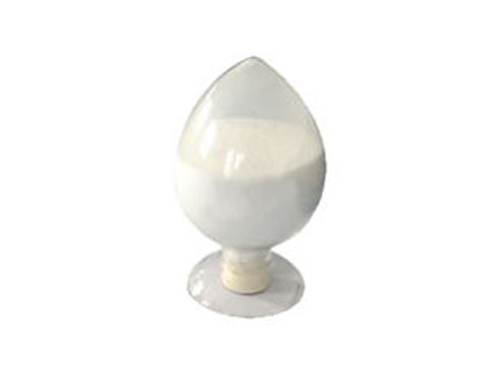
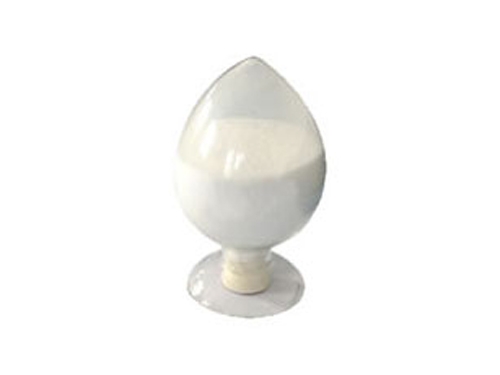
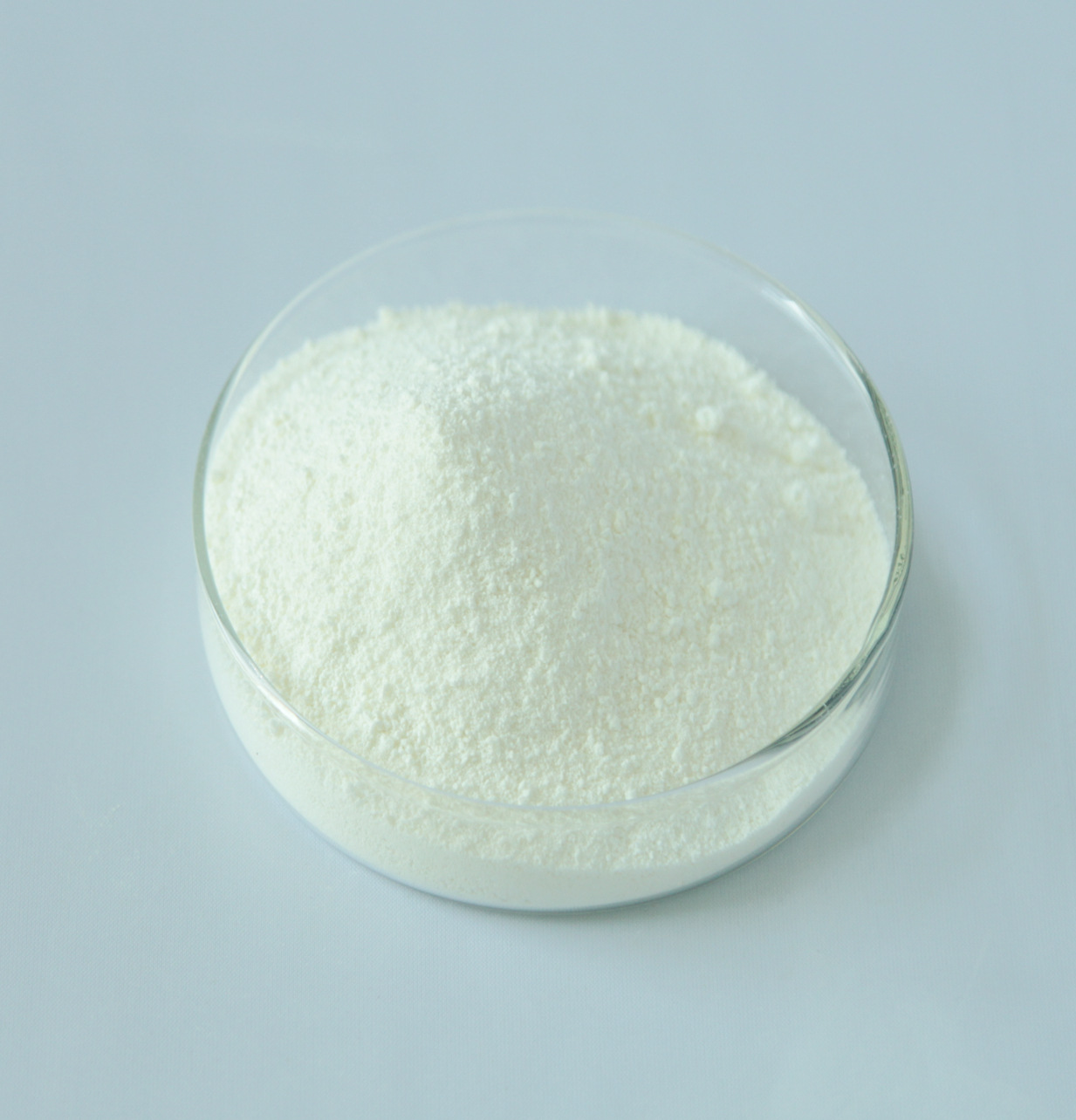
Beta sitosterol is a kind of organic matter, the chemical formula for C30H52O, white powder, widely exists in the nature of the various kinds of vegetable oils, nuts and other plant seeds, also exist in certain plant medicine.
Beta sitosterol by its unique biological characteristics and physical and chemical properties are mainly used in the pharmaceutical industry.
*The following content is generated by AI and is for reference only.
β-Sitosterol, chemically known as (24R)-stigmast-5-en-3β-ol, is a naturally occurring phytosterol widely distributed in the plant kingdom. Found abundantly in vegetable oils, nuts, seeds, and legumes, this compound shares a structural similarity with cholesterol, differing primarily by the addition of an ethyl group at the C-24 position on the side chain. Its molecular formula is C₂₉H₅₀O, and it carries the CAS Registry Number 83-46-5. With a molecular weight of approximately 414.7 g/mol, β-sitosterol appears as a white to off-white crystalline powder that is practically insoluble in water but soluble in organic solvents like ethanol and chloroform.
The primary utility of β-sitosterol lies in its significant impact on human health, particularly regarding cardiovascular wellness. Due to its structural resemblance to cholesterol, it competes for absorption in the intestinal tract, effectively reducing serum LDL cholesterol levels. This mechanism makes it a popular ingredient in dietary supplements designed to manage hypercholesterolemia and support heart health. Beyond lipid management, research suggests potential benefits in alleviating symptoms of benign prostatic hyperplasia (BPH) by inhibiting the conversion of testosterone to dihydrotestosterone within the prostate gland. Consequently, it is frequently utilized in formulations targeting urinary health and prostate function.
In the industrial sector, β-sitosterol serves as a critical starting material for the semi-synthesis of steroid hormones, including cortisone and progesterone. It is also employed in the pharmaceutical industry as a bioactive excipient and in cosmetic applications for its skin-soothing and anti-inflammatory properties. Furthermore, it plays a role in agricultural biotechnology as a natural growth regulator. As a non-essential nutrient that the human body cannot synthesize de novo, obtaining adequate intake through diet or supplementation remains crucial for maintaining metabolic balance. While generally recognized as safe, individuals taking cholesterol-lowering medications should consult healthcare providers before using concentrated β-sitosterol products to avoid potential interactions. Its versatility across medical, nutritional, and industrial domains underscores its importance as a valuable phytochemical resource in modern science.




 (All Rights Reserved)